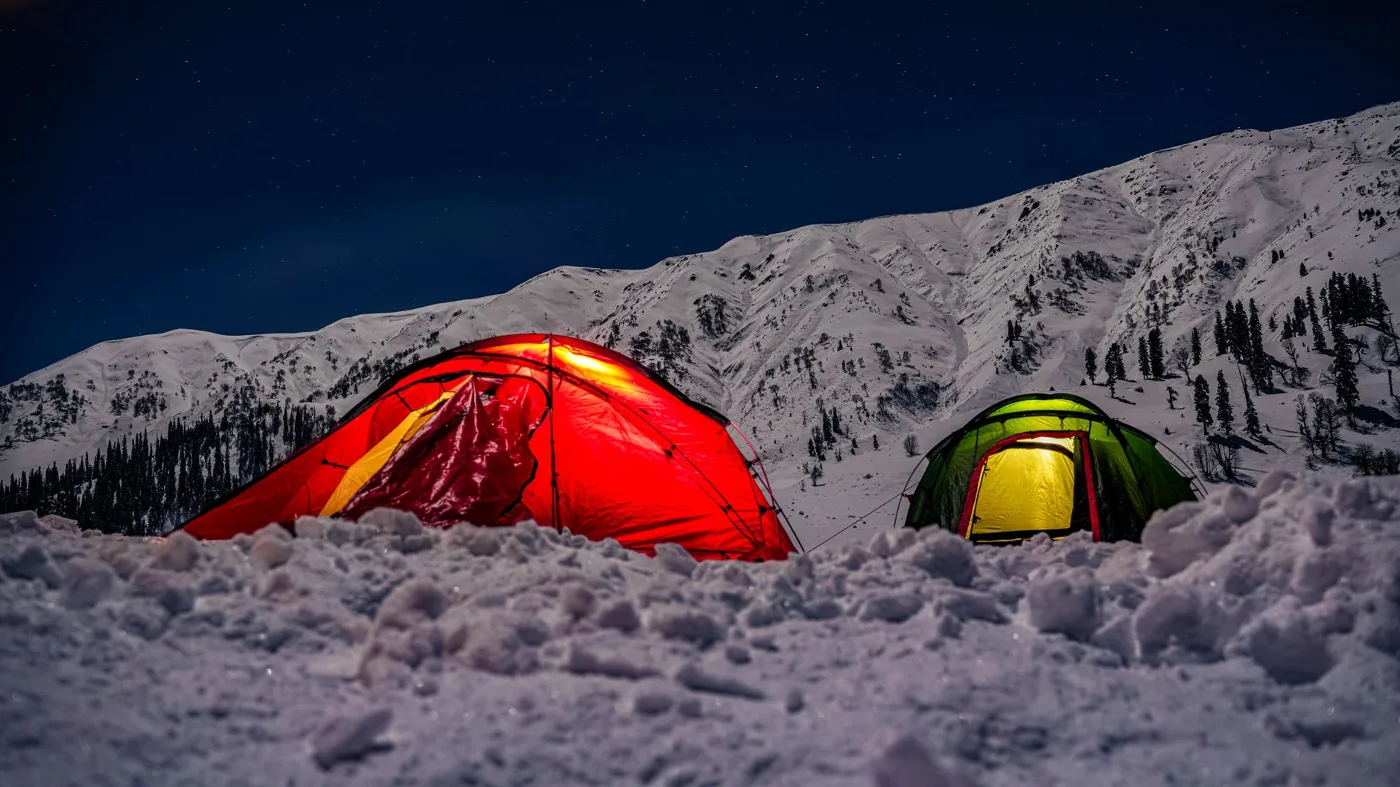
A snow camping tent is not just a warmer version of a regular tent. It is a shelter built to handle winter-specific problems: strong wind, snow loading, condensation, frozen ground, and the need to seal out drafts without trapping too much moisture inside. If you are shopping for one, the smartest choice depends less on a single feature and more on how you plan to camp. camping tent lights offers more detail on this point.
For casual winter car camping, a sturdy tent with good ventilation and a stable frame may be enough. For backcountry trips, alpine routes, or exposed campsites, you usually need a true four-season tent or a winter-ready design with stronger poles, lower profiles, and better storm protection. The right tent is the one that matches the conditions you expect, not the one with the heaviest-duty marketing language.
Why snow camping changes the tent equation
Snow camping is a different game from three-season camping because the environment works against you in several ways at once. Wind can be more relentless in winter, snow can collect on the fly, moisture from your breath condenses more easily, and frozen or uneven ground makes setup harder. A tent that feels comfortable in fall may struggle once temperatures drop and storms move in.
The most common mistake is assuming warmth comes mainly from the tent itself. In reality, your sleeping system, site selection, and ventilation matter just as much. A snow camping tent is there to provide a stable, protected envelope around that system. Its job is to reduce exposure, shed weather, and manage moisture without becoming unsafe or miserable to use.
The features that matter most in a snow camping tent
Not every winter tent needs every premium feature, but a few design elements deserve close attention. These are the details that tend to separate a shelter that merely survives winter from one that stays practical through repeated cold-weather use.
Structure and pole design
For snow camping, structure is usually more important than floor space. A low-profile tent with crossed poles, hubbed pole architecture, or a geodesic-inspired frame is generally better at resisting wind and distributing snow load than a tall, airy design. Dome-style winter tents often hold up well because the shape sheds gusts more effectively than vertical walls.
If your route includes exposed ridgelines, open alpine basins, or unpredictable weather, prioritize a tent that feels inherently stable. Freestanding designs are often easier to place on snow, but not all freestanding tents are winter-worthy. Look for a structure that remains solid without needing perfect staking conditions.
Fabric and weather protection
Winter shelters rely on fabric choices and construction details to keep wind and moisture out. A durable rainfly, well-sealed seams, and reinforced stress points all matter. Snow can also weigh heavily on a fly, so fabric that sags too much when wet or cold can become a nuisance quickly.
Mesh-heavy designs are useful in summer, but they can make a winter tent drafty and less efficient. That does not mean you should eliminate all ventilation; it means the balance should favor protection first, with ventilation placed where it can still move air without creating a wind tunnel.
Ventilation and condensation control
Condensation is one of the least glamorous parts of winter camping, yet it can be a bigger problem than cold air itself. When warm breath and body heat meet a cold tent wall, moisture forms. In freezing conditions, that moisture can become frost, then melt later and soak gear.
Look for adjustable vents, roof vents, and a design that allows some airflow even when the tent is buttoned up. A well-designed winter tent is not completely sealed; it is carefully balanced. Many campers underestimate this point and end up choosing a shelter that feels cozy at first but becomes damp and uncomfortable after a night or two.
Vestibule space
Vestibules are especially useful in snow camping because they give you a place to store boots, a pack, wet outer layers, or a stove setup away from the sleeping area. They also help reduce clutter inside the tent, which matters when you are trapped indoors by weather.
One overlooked nuance: vestibule size can matter more in winter than sleeping floor area. A tent with a modest interior but two usable vestibules may be more practical than a roomier model with almost no sheltered gear storage.
Entry layout and livability
Winter trips often mean extra time inside the tent. That makes the shape of the door, the height at the entry, and the organization of interior space more important than they seem on paper. Dual doors can improve convenience for pairs, while a single well-designed entry may be fine for solo use.
Before choosing, picture the real routine: crawling in with gloves on, managing wet gear, changing layers, and cooking only if the shelter is clearly designed for that use and conditions allow it. A tent can be weatherproof and still feel awkward if the entry is too tight for your style of camping. how to layer for cold-weather camping offers more detail on this point.
How to match the tent to your kind of winter camping
The best snow camping tent depends heavily on where and how you camp. A shelter that works for one style of trip can be a poor fit for another, even if both are technically “winter camping.”
For car camping in snowy conditions
If you are camping near a vehicle and do not need to carry the tent far, you can usually prioritize comfort and weather protection over packability. A roomier tent with a more upright profile may be acceptable if the campsite is sheltered and you expect moderate winter conditions. Just be realistic about wind exposure and snow accumulation.
Car campers often benefit from extra vestibule room, easier setup, and a layout that allows gear organization. The trade-off is usually bulk and weight, which matters less when you are not carrying the shelter long distances.
For winter backpacking
Backpacking in snow usually requires a more careful balance between weight, strength, and livability. A tent that is too heavy becomes punishing on the trail, but a tent that is too light may not offer enough security once the weather turns.
For this use case, look closely at pack size, pole count, and how easily the tent can be pitched with gloves on. You want a design that is manageable after a long day in cold conditions, not just one with good specifications on paper.
For exposed alpine or storm-prone terrain
In exposed terrain, structural confidence matters more than almost anything else. A low, strong tent with excellent guyout options is usually preferable to a tall, spacious model that catches wind. Snow loading and shifting weather can turn a pleasant overnight into a serious test of shelter performance.
This is where true four-season construction becomes more relevant. If you expect high winds, persistent snowfall, or limited options for site selection, do not compromise too far on stability just to save a little weight.
Useful trade-offs to think through before buying
Choosing a snow camping tent is really a series of trade-offs. The challenge is not finding the perfect tent in theory. It is deciding which compromises you can live with.
| Decision factor | Why it matters in snow | Common trade-off |
|---|---|---|
| Weight | Important for backpacking and long approaches | Lower weight can mean less interior space or fewer features |
| Stability | Critical in wind and snow loading | Stronger frames often add weight and bulk |
| Ventilation | Helps manage condensation and frost | More airflow can reduce heat retention |
| Vestibule space | Useful for gear storage and wet items | Larger vestibules can increase footprint and weight |
| Setup ease | Important in cold, gloves-on conditions | Simple systems may offer fewer storm-oriented features |
One common misconception is that a heavier tent is automatically better for winter. Weight can reflect stronger materials, but it can also reflect inefficiency. The better question is whether the tent’s weight is supporting the kind of conditions you actually face.
Materials and construction details worth checking
You do not need to be a gear engineer to make a good choice, but a few construction details can tell you a lot. Reinforced pole junctions, quality zipper placement, durable stake loops, and strong attachment points for guylines all signal that the tent was designed with hard weather in mind.
Also pay attention to how the tent is meant to be anchored. Snow camping often means using snow stakes, buried anchors, skis, or other secure methods instead of standard summer stakes alone. If the tent depends on perfect soil staking, it may be less suitable once the ground is frozen solid.
Floor material matters too, especially if you camp on abrasive snow crust or in mixed conditions where exposed ground may appear underfoot. A footprint can help, but it should not be used as a substitute for good site preparation.
Practical setup considerations most buyers overlook
The tent itself is only part of the equation. Where and how you pitch it can dramatically affect winter performance. A sheltered site, a level platform, and smart wind orientation can make an average tent perform better, while a poor setup can make a very good tent feel inadequate.
- Choose a campsite with natural wind protection when possible.
- Clear and pack snow before pitching so the platform can settle more evenly.
- Use guylines generously if the design allows it.
- Keep vents open enough to reduce frost buildup.
- Store wet gear outside the sleeping area when feasible.
Another overlooked consideration is interior moisture management. Even a winter-specific tent can get damp if you bring in snow on boots, cook with poor ventilation, or close every vent to preserve warmth. Small habits often matter more than a buyer expects.
When a snow camping tent is not the best answer
Not every winter outing calls for a full snow camping tent. If your trip is short, sheltered, and close to help, a more versatile three-season tent with careful site selection may be enough in mild shoulder-season conditions. Likewise, if you are primarily winter car camping, a larger tent or cabin-style shelter may offer better comfort than a compact expedition model.
There are also alternative shelter strategies worth considering. Some campers pair a sturdy tarp or supplemental shelter with a tent. Others choose a hot tent setup for base camp use where a stove is part of the system. Those approaches solve different problems and bring their own constraints, especially around weight, ventilation, and safety.
A simple way to narrow the field
If you are comparing options, start by ranking your priorities in this order: expected weather severity, distance carried, group size, and how much time you will spend inside the tent. That sequence usually leads to better decisions than chasing a long feature list.
Then ask three practical questions. Will this tent stay stable in wind? Will it manage condensation well enough for the trip length? Can I realistically carry, pitch, and live in it in winter conditions? If any answer is shaky, keep looking.
For many buyers, the best snow camping tent is the one that feels slightly more serious than the conditions they expect, without becoming an anchor on the trail. That middle ground is where durability and usability meet. Camping Tent for Jeep Buyers Guide offers more detail on this point.
Final guidance for choosing well
A good snow camping tent should make winter camping safer, drier, and easier to manage. It should not force you to trade away all comfort for strength, nor should it prioritize space so heavily that it becomes unreliable in bad weather. The best choice is usually the shelter that fits your terrain, your carrying limit, and your tolerance for winter logistics.
If you are deciding between two tents, lean toward the one that handles wind, condensation, and setup more convincingly. Those are the issues that matter most once snow starts falling and the campsite gets serious.