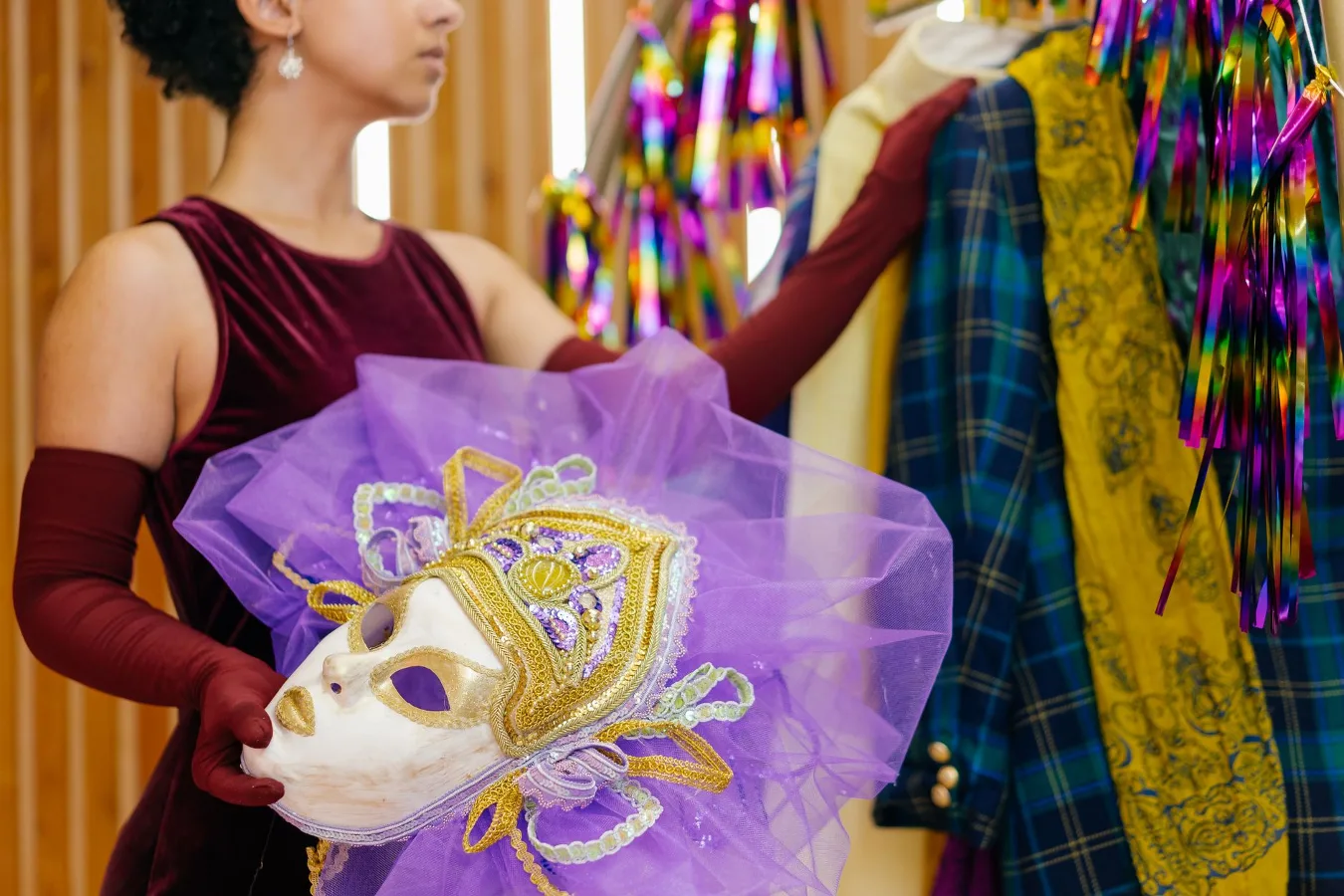
Masquerade ball dresses for women usually work best when they feel formal, a little dramatic, and comfortable enough to wear for several hours. The right choice depends less on one fixed “look” and more on how the dress fits the event, the mask, the venue, and how much movement you need. best fabrics for formal dresses offers more detail on this point. silver dresses for women offers more detail on this point.
If you are choosing for a true ball, a floor-length gown is the safest starting point. For a cocktail-style masquerade or a less formal themed event, a polished midi or dressy knee-length option can work, especially if the fabric and details still feel elevated. The goal is to look intentional, not costume-like unless the event specifically calls for that approach.
Start with the event, not the dress
Masquerade parties vary a lot. Some are black-tie fundraisers, some are themed weddings, and some are seasonal parties with only a light formal dress code. That difference matters more than the word “masquerade” itself. women’s black tie style guide offers more detail on this point.
Before shopping, check three things: how formal the invitation sounds, whether the venue is indoors or outdoors, and whether the event includes dinner, dancing, or both. A dress that looks stunning in photos may be frustrating if the hem drags on uneven flooring or the neckline shifts under a mask.
A practical way to narrow options is to match the dress to the setting:
- Formal ballroom: floor-length gowns, elegant fabrics, and more structured silhouettes
- Hotel or banquet hall: long dresses or polished midi dresses with refined details
- Private themed party: more flexibility with color, embellishment, and silhouette
- Outdoor or seasonal event: pay extra attention to layering, weather, and hem length
Best dress styles for a masquerade look
The most reliable masquerade ball dresses for women usually fall into a few style families. Each creates a different effect, so the best choice depends on how theatrical or understated you want to look.
Floor-length gowns
These are the most classic option for a formal masquerade ball. They instantly read as elegant and work well with dramatic masks, long gloves, or statement jewelry. A-line and column silhouettes are especially versatile because they can be formal without feeling overly restrictive.
Mermaid and fitted gowns
These silhouettes create a more sculpted, glamorous look. They can be striking for evening events, but they are less forgiving if you expect a lot of dancing or sitting. If you choose a fitted style, make sure the fabric has enough structure to hold its shape without feeling stiff.
Ball gowns
If the event leans theatrical or traditional, a ball gown can be a strong fit. The fuller skirt creates presence and pairs naturally with a decorative mask. The trade-off is mobility: stairs, crowded spaces, and dance floors can be less convenient in a very full skirt.
Midi and tea-length dresses
These work best for semi-formal masquerade events or modern interpretations of the theme. They are easier to walk in and can feel more wearable than a full gown, especially if the event is social rather than ceremonial. The key is choosing richer fabric and polished finishing so the look still feels occasion-ready.
Trade-offs that matter more than trends
Many shoppers focus on color or embellishment first, but the real decision usually comes down to comfort, movement, and the mask. A dress that photographs well but feels awkward for three hours is rarely the right choice.
More structure vs. more comfort: Boning, fitted bodices, and heavy fabrics can create a polished shape, but they can also limit ease of movement. Softer dresses may feel easier to wear, but they can look less formal if the overall finish is too relaxed.
Drama vs. practicality: Trains, voluminous sleeves, and oversized skirts add impact, but they can make walking and dancing harder. If the event includes a long reception, a modest train or none at all may be the smarter choice.
Statement details vs. versatility: Sequins, feathers, embroidery, and embellishment fit the masquerade theme, yet they can date the dress faster and limit how often you can reuse it. A more refined base dress can be dressed up with a mask and accessories instead.
Mask compatibility vs. neckline shape: A dramatic mask can compete with an already busy neckline. If your mask is ornate, a cleaner neckline often looks more balanced. If your dress has strong embellishment at the bodice, a simpler mask may be easier to wear.
Material and spec factors to pay attention to
Fabric is one of the biggest clues to how a masquerade dress will look and feel. For this type of occasion, the material does more than affect appearance; it also influences movement, temperature, and how formal the dress reads.
Fabric weight and drape
Heavier fabrics tend to create a more structured, formal silhouette. Lighter fabrics can feel softer and more romantic, but may need lining or layered construction to avoid looking too casual. A good masquerade dress should hold its shape well enough to feel special without becoming difficult to wear.
Texture and finish
Satin, velvet, lace, tulle, chiffon, and crepe all create different moods. Satin and velvet usually feel more luxurious and evening-appropriate. Lace and tulle can add romance, while crepe often gives a cleaner, more understated finish. The right choice depends on whether you want classic elegance, gothic drama, or a modern formal look.
Lining and opacity
Because masquerade events often use rich colors and decorative fabrics, it is worth checking whether the dress is lined and where the fabric is sheer. Sheer sleeves or overlays can look beautiful, but unlined bodices or skirts may need careful undergarment planning.
Closures and fit details
Look closely at the closure type, strap support, and waist construction. A dress that depends heavily on a back zipper or delicate shoulder straps may need more precise sizing than a more forgiving silhouette. If you plan to wear a mask, you may also want a neckline that stays secure without constant adjustment.
| Feature | Why it matters | Best for |
|---|---|---|
| Structured bodice | Helps the dress stay in place during an event | Formal balls, fitted silhouettes |
| Heavy drape fabric | Creates a polished evening look | Classic and dramatic styles |
| Lighter layered fabric | Offers movement and softness | Romantic or semi-formal events |
| Stretch or ease in the waist | Improves comfort for sitting and dancing | Long receptions and active evenings |
How to choose a dress that works with your mask
The mask is not an accessory to add at the last minute. It changes the whole balance of the outfit.
If the mask is ornate, with crystals, feathers, metallic trim, or lace detail, keep the dress more restrained so the outfit does not feel overloaded. A smoother fabric, simpler neckline, or one focal point at the waist or skirt usually works better.
If the mask is minimal, the dress can carry more of the visual weight. This is where rich fabric, a dramatic silhouette, or embellishment can shine without competing for attention.
One overlooked consideration is how the mask sits with your hairstyle and earrings. A high bun, swept-back waves, or a low chignon may be easier to pair with a mask than a style with a lot of volume at the temples. Large earrings can also interfere with comfort if the mask straps sit close to the ears.
Color choices that suit the mood
Masquerade dresses do not have to be black, red, or jewel-toned, but those colors are popular for a reason. They tend to feel evening-ready and work well under low or mixed lighting.
Dark tones such as black, burgundy, emerald, navy, and plum create a classic formal effect. They are especially useful if you want the mask to stand out.
Metallics such as gold, silver, and bronze add a more glamorous, high-impact feel. They can be beautiful, but they also draw attention quickly, so they usually work best when the silhouette is simple.
Soft neutrals like champagne, blush, and ivory can feel elegant and romantic, though they may appear less dramatic. These colors often work well for daytime masquerade-themed events or modern formal parties.
If you are unsure, think about the room rather than just the dress. Candlelight, dim banquet lighting, and colored decor can change how a fabric reads. A color that seems bold in daylight may look much more subdued in an evening venue.
Fit and comfort: the part many shoppers underestimate
Masquerade ball dresses for women should allow for more than standing still. You may sit through dinner, climb stairs, dance, wear the mask for long stretches, and move through crowded spaces. That means comfort is not optional.
Check whether you can lift your arms without the bodice shifting, whether the hem catches when you walk, and whether the neckline feels secure without constant adjusting. A dress that needs constant attention can become tiring fast, especially if you are wearing gloves, jewelry, or a mask.
Common fit mistakes include choosing a dress that is too tight through the ribs, too long for the shoes you plan to wear, or too low-support for the neckline style. A minor fit issue at home can become a major annoyance after an hour of wear.
If you are between sizes, consider the silhouette carefully. Structured fabrics may leave little room for adjustment, while draped or wrap-inspired styles can be more forgiving. Alterations can help, but only if the basic shape already suits your body and the event.
Styling ideas that keep the look cohesive
A masquerade dress rarely stands alone. Shoes, outerwear, jewelry, and makeup should support the same mood.
- Shoes: Choose a heel height you can handle comfortably on the venue surface.
- Jewelry: Let either the mask or the jewelry be the focal point, not both.
- Outerwear: A wrap, faux fur stole, or tailored coat may matter if the event involves cold weather or outdoor arrivals.
- Hair: Styles that keep the face clear often work better with a mask.
- Bag: A small clutch is usually more practical than a larger handbag.
The most polished masquerade looks are usually balanced, not crowded. If the dress is ornate, keep the rest controlled. If the dress is simple, the accessories can carry more personality.
When a masquerade dress should be simplified
There are times when a highly themed gown is not the best answer. If you are attending a work event, a mixed dress-code celebration, or a venue with lots of walking, a more restrained formal dress may be a better investment.
A simple black or jewel-tone evening dress can still feel right for a masquerade if you pair it with the right mask and accessories. This approach is often more versatile than buying a heavily themed dress that only works for one kind of event.
That versatility is the main practical advantage of choosing a dress that can later be worn to a gala, holiday party, wedding, or formal dinner. If reuse matters to you, prioritize silhouette and fabric quality over novelty details.
Next steps before you buy
Use a short checklist before making a final decision. It helps separate a dress that looks appealing online from one that will actually work at the event.
- Confirm the event’s formality and likely dress code.
- Decide whether you want a full gown, a midi dress, or a more theatrical silhouette.
- Choose a fabric that fits the season and venue.
- Check whether the dress works with your planned mask and hairstyle.
- Review fit details such as neckline support, hem length, and mobility.
- Consider whether the dress can be worn again after the event.
The best masquerade ball dresses for women usually do three things well at once: they suit the event, they feel comfortable enough to wear with ease, and they create enough visual impact to match the theme. If you keep those three priorities in view, the right choice becomes much easier to spot.
FAQ
What kind of dress is best for a masquerade ball?
A floor-length formal dress is the safest choice for a traditional masquerade ball. For less formal events, an elegant midi dress can also work if the fabric and details still feel elevated.
Should a masquerade dress be black?
No. Black is classic, but jewel tones, metallics, deep reds, greens, navy, and rich neutrals all work well. The best color depends on the venue, season, and the style of mask you plan to wear.
Can I wear a cocktail dress to a masquerade party?
Yes, if the event is semi-formal or themed rather than strictly black tie. A cocktail dress should still look polished and intentional, with fabric and finishing that feel appropriate for evening wear.
How do I match a mask to my dress?
If your dress is highly embellished, choose a simpler mask. If the dress is minimal, the mask can be more decorative. The overall look usually works best when only one piece is the main focal point.
What shoes work best with a masquerade dress?
Comfortable dress shoes with a stable heel are usually the best option. Choose a height you can wear for several hours, especially if the event includes dancing or uneven floors.