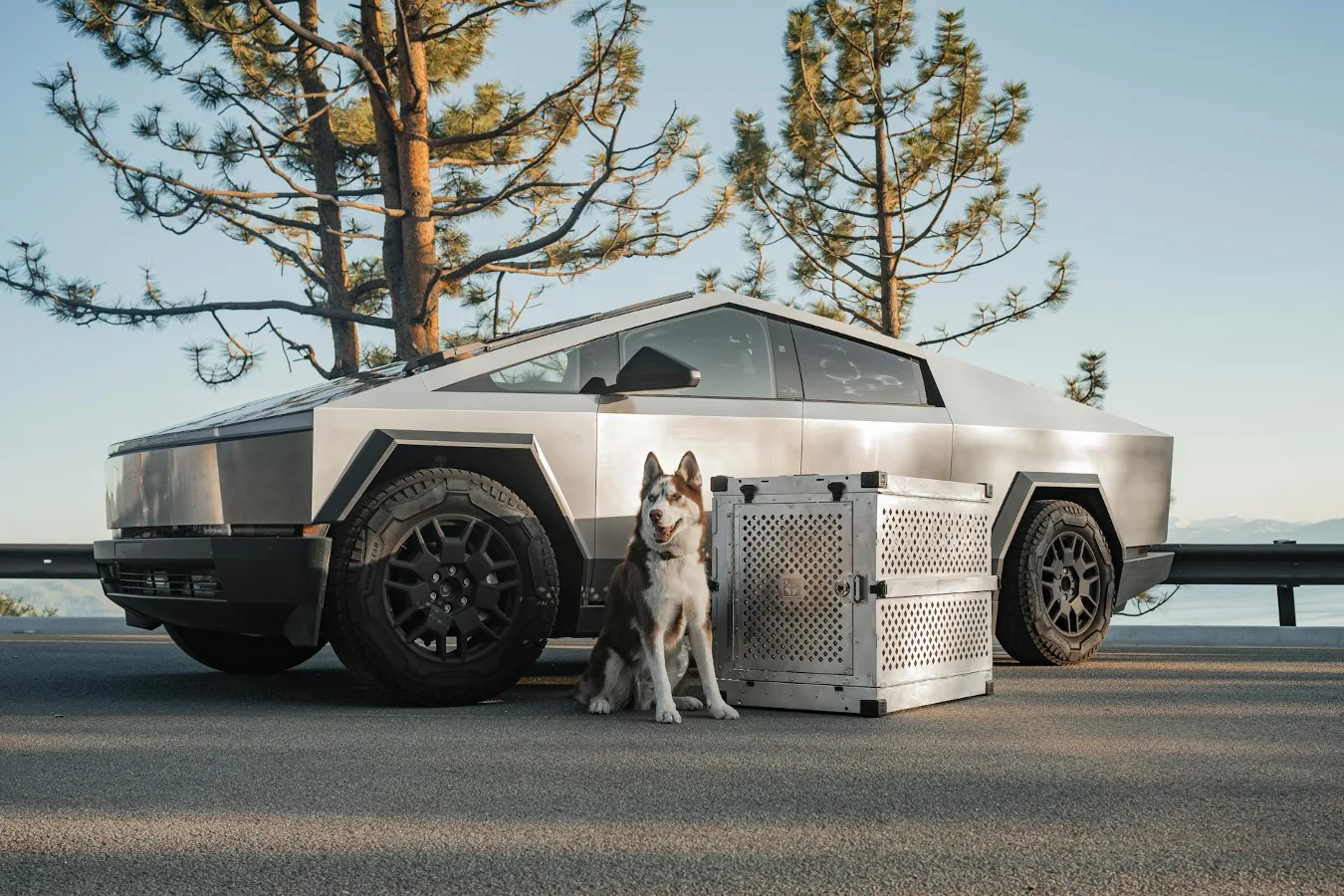
Pet travel accessories are the gear that helps pets ride more safely, stay calmer, and make less mess while you are on the move. For most buyers, the right setup usually includes a carrier or restraint, a way to manage water and food, and at least one item that protects your car, bag, or hotel space. dog car travel accessories offers more detail on this point. Luxury Dog Travel Accessories Guide offers more detail on this point.
The best choice depends less on brand hype and more on the way you travel. A short drive to the vet calls for a different setup than a cross-country road trip, a flight, or an overnight stay with a nervous cat or an energetic dog. If you focus on safety, fit, cleanup, and your pet’s comfort level, the list gets much easier to narrow down.
When pet travel accessories matter most
Some pet owners can get by with a simple leash and carrier for rare outings. Others need a more complete kit because they travel often, bring pets on road trips, or move between home, boarding, grooming, and vacation stays. The more time your pet spends in transit, the more useful thoughtful accessories become.
These items matter especially when:
- your pet rides in a car regularly
- your pet is anxious in new places
- you need to keep a vehicle clean and organized
- you travel with food, medications, or water
- you need containment for small dogs, cats, or anxious rescue pets
- you want a setup that is easier to pack and reuse
One overlooked detail is that travel gear is often about reducing friction, not just adding comfort. A well-designed seat protector, for example, may not look exciting, but it can save time after muddy walks, shedding, spills, or motion-sickness cleanup. That practical value matters more than decorative extras.
Step-by-step criteria for choosing the right gear
1. Start with the travel method
Different travel methods call for different accessories. Car travel puts the focus on restraint, cleanliness, and stability. Air travel usually shifts attention to carrier dimensions, ventilation, and whether the carrier fits airline requirements. Walking through airports, hotels, or train stations may also make portability and easy handling more important than bulk.
If your travel is mostly by car, look first at seat protection, a secure harness, a crate, or a carrier that stays stable during braking and turns. If your trips are air-based, carrier shape, soft-sided construction, and easy loading matter more than a large footprint.
2. Match the accessory to your pet’s size and temperament
A product that works well for one pet can be frustrating for another. Small pets often need a snug, enclosed space that feels secure. Larger pets may need more structured containment, more room to turn comfortably, or a restraint that prevents sliding without feeling too restrictive.
Temperament matters just as much as size. A calm pet may accept a soft carrier or booster seat quickly. A nervous pet may do better with a familiar blanket, more enclosed sides, or a gradual introduction before a long trip. Escape-prone pets need especially careful attention to closures, zippers, clips, and fasteners.
3. Decide how much containment you actually need
Not every trip requires the same level of gear. Some situations call for full containment, while others only need a light layer of protection or convenience.
- Carrier or crate: best when your pet needs secure containment, especially for small pets, kittens, or travel by plane.
- Harness or seat belt attachment: useful for dogs that ride in the car and need restraint without a full crate.
- Seat protector or cargo liner: helpful for keeping your vehicle clean and reducing wear.
- Travel bag or organizer: a smart choice for food, wipes, medicines, toys, and paperwork.
- Portable bowls and water bottles: important for hydration breaks and long outings.
A common misconception is that one accessory can solve everything. In reality, the best setup is usually a small system of complementary items, not a single “all-in-one” purchase.
4. Check comfort features without overpaying for fluff
Comfort features can be useful, but not every padded edge or plush liner adds meaningful value. The most helpful comfort details are the ones that improve the actual travel experience: breathable panels, padded handles, stable footing, washable liners, and enough room for a natural resting position.
For many pets, comfort is less about luxury and more about predictability. Familiar textures, proper sizing, and reduced jostling often matter more than decorative trim. If your pet tends to settle better with a blanket or toy, that may do more than an expensive accessory with extra styling.
5. Think about cleanup before you buy
Travel accessories get dirty fast. Mud, fur, treats, water spills, and motion sickness can all create extra work. Washable fabric, wipe-clean surfaces, removable liners, and simple seams are worth prioritizing if you travel frequently.
This is one of the most practical trade-offs in pet travel gear: soft materials may feel cozy, but they can be harder to maintain. Harder surfaces often clean more easily, but they may be less comfortable unless paired with a blanket or pad. The best option depends on whether you value comfort, cleanup, or a balanced middle ground.
Key accessory categories worth considering
Carriers and crates
Carriers and crates are among the most important pet travel accessories because they control movement and help define a safe space. For small pets, soft-sided carriers can be easier to carry and store, while structured carriers may offer more support. For larger pets, a well-fitted crate or travel enclosure may be more appropriate, especially for longer rides.
Pay attention to entry style, ventilation, carrying comfort, and how easy it is to get your pet in and out. A carrier that is technically suitable but awkward to load may create stress every time you use it.
Seat covers and cargo protection
Seat covers, hammock-style protectors, and cargo liners help preserve upholstery and reduce cleanup after trips. These are especially useful for dogs that shed, drool, or come back from trails and parks with dirty paws. They can also make it easier to transport pets in the back seat or cargo area without worrying about surface damage.
Look for a fit that stays in place and does not bunch up. Slipping, sagging, or poor coverage can defeat the purpose. If you carry more than one pet or use your vehicle for both people and pets, a versatile protector may be more useful than a single-purpose option.
Harnesses, tethers, and restraints
For car travel, restraint accessories can help limit movement and support safer positioning. A harness-style setup is often more practical than a collar-based solution because it spreads force more evenly and gives the pet a more stable body position.
Compatibility matters here. The harness, tether, and vehicle anchor must work together properly, and the fit should allow enough room for comfort without being so loose that your pet can slip out. If your dog is still learning to travel calmly, introduce restraint gear gradually with short rides and positive associations.
Portable bowls, bottles, and feeding gear
Hydration accessories are easy to overlook until you need them. Collapsible bowls, travel bottles, and leak-resistant containers can make rest stops cleaner and more convenient. For long trips, feeding gear also helps keep routines more consistent, which can reduce stress for some pets.
Practical details matter here: how easily the bowl folds, whether the bottle spills in a bag, and whether the feeding setup is simple enough to use with one hand. If you tend to travel light, compact gear usually wins over oversized sets.
Travel bags and organizers
A dedicated organizer can be one of the most useful accessories in the whole category. It keeps leashes, treats, waste bags, medication, records, wipes, and small toys in one place. That reduces the chance of forgetting something important at home or digging through loose items during a stop.
Choose an organizer based on how you travel. A road-trip kit may need room for food and cleanup supplies, while a flight kit may focus more on documents, collapsible items, and quick-access essentials. The best bag is the one you can pack and repack without effort.
Examples of good accessory setups by travel type
Short car trips
If you mostly drive to errands, grooming, or local appointments, keep the setup simple. A basic harness or carrier, a seat protector if needed, and a small water solution may be enough. The goal is convenience and safety without overbuilding a system you rarely use.
Best for: frequent but brief outings, city driving, and pets that dislike bulky gear.
Road trips
For longer drives, you usually need a more complete kit. That often means restraint or containment, water access, cleanup supplies, a travel bed or blanket, and an organizer for food and documents. Road trips also make comfort and stability more important, since your pet may spend much longer in one position.
Best for: pets that travel for several hours, families using a single vehicle, and owners who want a repeatable setup.
Air travel
Air travel usually puts the carrier at the center of the decision. You may also need absorbent liners, a compact water solution, labels, and a small pouch for paperwork or travel records. Because rules and expectations can vary by carrier and situation, the safe approach is to verify all travel requirements before you buy any gear.
Best for: pet owners who need portability, containment, and easy handling in busy terminals.
Hotel stays and overnight visits
For overnight travel, comfort and organization tend to matter more than restraint alone. A familiar blanket, a travel bed, a compact feeding setup, and a bag for cleanup supplies can help your pet settle into a new environment more quickly. If your pet is nervous in unfamiliar rooms, a familiar enclosed carrier or crate may also help create a predictable resting space.
Best for: pets who need routine, owners who travel with multiple items, and longer stays away from home.
A practical checklist before you buy
Use this checklist to narrow down options before adding anything to your cart:
- Travel type: car, plane, walking, hotel, or mixed use
- Pet size: fit, weight, and room to lie down or turn comfortably
- Temperament: calm, anxious, escape-prone, or motion-sensitive
- Safety needs: restraint, containment, or surface protection
- Cleanup needs: washable, wipeable, or easy to shake out
- Portability: folds flat, carries easily, or stores in a small space
- Compatibility: fits your vehicle, carrier rules, or existing gear
- Routine fit: easy enough to use every time you travel
If an accessory only works in perfect conditions, it may not be the right purchase. Travel gear should be realistic enough that you will actually use it, not just admire it in the closet.
Common mistakes shoppers make
One common mistake is buying a carrier or restraint based on appearance instead of fit. Another is choosing a soft, plush product that looks comfortable but is difficult to clean after a messy trip. A third mistake is assuming all accessories are universal, when compatibility can vary widely by pet size, vehicle layout, and travel method.
It is also easy to overbuy. A pet that only takes occasional short rides may not need a full travel system. On the other hand, an anxious or frequently transported pet may need a more structured setup than a basic leash and bowl. Matching the gear to the actual use case usually gives better results than chasing the most feature-heavy option.
How to balance comfort, safety, and convenience
Most buyers are trying to balance three things at once: a safer trip, a less stressful pet, and a setup that is easy to maintain. That balance is rarely perfect. A more secure carrier may be bulkier. A softer bed may be harder to clean. A compact bowl may not hold as much water as a larger one.
The smart approach is to decide what matters most for your trips and accept the trade-off. If safety is the priority, focus on secure containment and compatibility first. If cleanliness is the priority, prioritize washable materials and simple surfaces. If portability matters most, choose compact accessories that pack easily and do not require a complex setup.
That decision-making framework is often more useful than a long list of product features. It helps you avoid impulse buys and build a travel kit that actually fits your life.
What a strong starter kit usually looks like
A balanced starter kit for many pet owners includes three layers: a way to transport the pet safely, a way to protect the vehicle or room, and a way to handle water, feeding, and cleanup. From there, you can add comfort items or storage accessories based on how often you travel.
For example, a dog owner who drives frequently may start with a harness, a seat protector, a collapsible bowl, and a travel organizer. A cat owner may prioritize a stable carrier, absorbent liners, and a compact bag for supplies. The best kit is not the biggest one; it is the one that reduces stress without adding clutter.
For shoppers building out a broader accessories setup, pet travel gear also fits naturally alongside other pet essentials such as carriers, car organizers, and everyday comfort items. That makes it a useful category to compare against related gear before buying. related advice on black sunglasses offers more detail on this point.