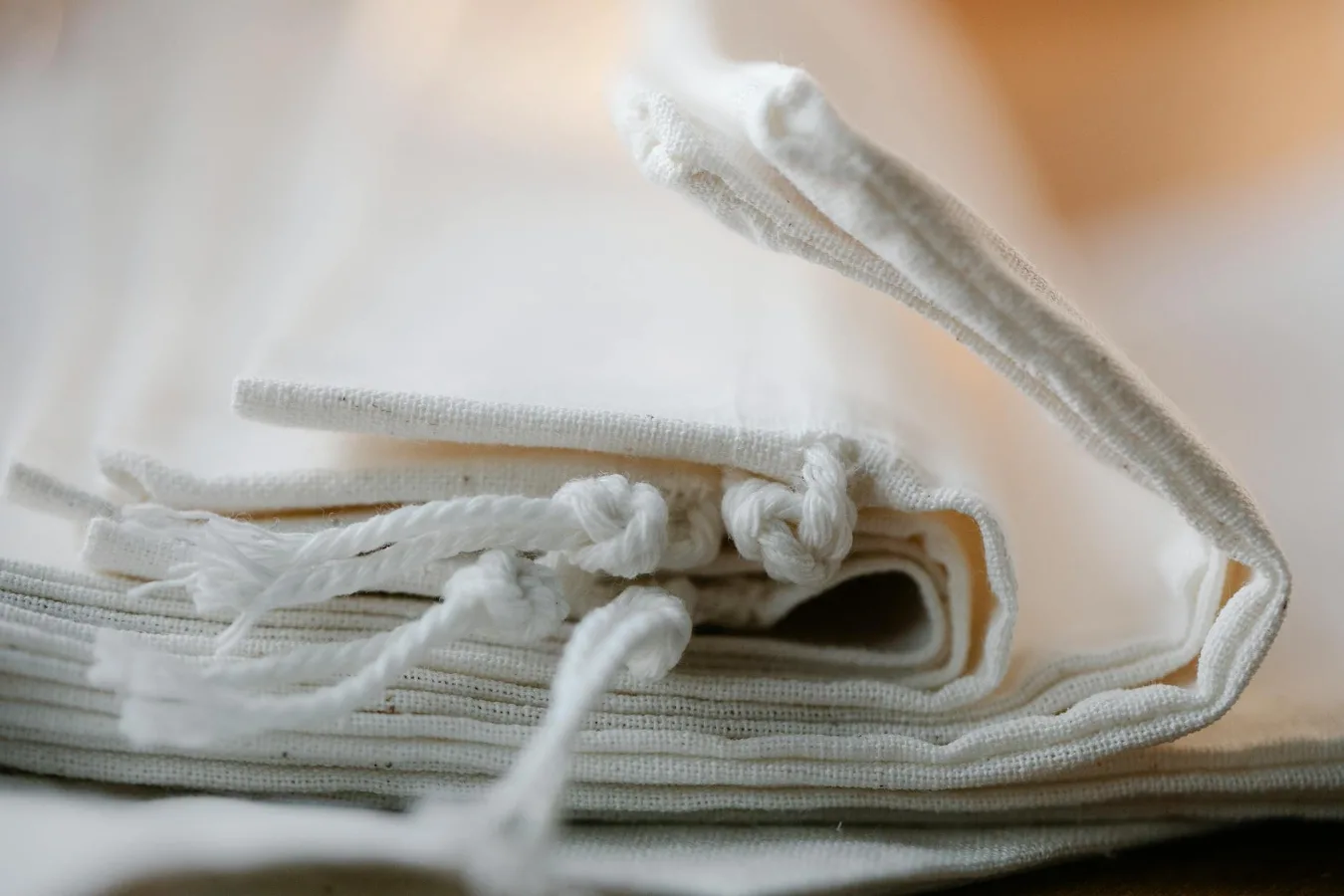
When a cotton sleeping bag makes sense
A cotton sleeping bag is usually the right choice when comfort, softness, and breathability matter more than packability or harsh-weather performance. That makes it appealing for cabin stays, indoor sleepovers, casual car camping, backyard camping, and some warm-weather trips where you want a familiar, fabric-like feel instead of a slick technical shell. car camping sleeping bag offers more detail on this point. best summer sleeping bag offers more detail on this point.
What cotton does well is simple: it feels less synthetic, is often quieter than many lightweight nylon shells, and can be comfortable against bare skin. What it does not do especially well is manage bulk, weight, drying time, or moisture once conditions turn damp. So the real question is not whether cotton is “good” in general, but whether it fits the kind of sleeping setup you actually use.
If you are comparing options for the Outdoor category, cotton is best viewed as a comfort-first material rather than an all-purpose backpacking solution. That distinction matters, because the features that make it pleasant in relaxed settings are often the same features that make it less practical on longer, wetter, or colder trips.
Start with the use case, not the material
Before deciding on cotton, work backward from where and how you will sleep. The material alone does not tell you whether a sleeping bag will be a good fit. A cotton sleeping bag can work well in one setting and feel clumsy in another.
Good matches for cotton
- Car camping where weight and pack size are less important
- Cabins, lodges, guest beds, and indoor travel use
- Warm nights where breathability is more important than heavy insulation
- Family camping when comfort and a familiar feel are priorities
- Short trips where easy comfort matters more than technical performance
Less suitable uses
- Backpacking, where bulk and weight matter
- Wet climates or trips with limited drying time
- Cold-weather camping that demands stronger insulation planning
- Ultralight or fast-and-light travel
- Trips where your gear may be repeatedly compressed for long periods
A common misconception is that cotton automatically means “better” because it feels natural. In practice, the better material is the one that matches your environment, storage habits, and comfort priorities.
What to evaluate before you buy
For a cotton sleeping bag, the most relevant decision factors are comfort, moisture handling, care requirements, insulation system, weight, and intended use. Those are the traits that most affect whether the bag will be pleasant on real trips.
1. Comfort and feel
Cotton is often chosen because it feels softer and less slippery than many synthetic shells. If you dislike the crinkly feel of technical fabrics, cotton can be a better match. It is especially appealing for people who want a more bedding-like experience while camping or traveling.
That said, softness can come with trade-offs. Some cotton finishes feel heavier or less airy than expected, and a very soft feel does not guarantee better sleep if the bag traps too much warmth for the season.
2. Breathability
Breathability is one of cotton’s most appealing qualities. For warm nights, that can help reduce the clammy feeling that some people get from tighter synthetic shells. If you tend to sleep hot, a cotton exterior or lining may feel more comfortable than a fully synthetic setup.
Still, breathability is not the same as moisture management. Cotton may feel pleasant when dry, but if it gets damp from humidity, spills, or condensation, it can become less practical than synthetic alternatives.
3. Moisture and drying time
This is the biggest limitation to weigh carefully. Cotton absorbs moisture more readily than many technical fabrics, and it usually dries more slowly. In real-world use, that can matter after a humid night, a packed car trip, or a campsite with morning dew.
If your sleeping bag might be exposed to damp conditions, you may prefer a bag with a synthetic shell or a lining designed to dry more quickly. Cotton can still work in some settings, but it is less forgiving when weather or storage conditions are unpredictable.
4. Insulation type
People often focus on cotton and forget that the insulation is just as important. Cotton may describe the shell or lining, but the sleeping bag’s warmth comes from the fill and construction. A cotton bag with modest insulation can feel comfortable in mild weather, while a better-insulated synthetic bag may be more versatile in shoulder seasons.
If you are trying to decide between options, look at the whole sleep system: shell, lining, fill, shape, and intended temperature range. Cotton alone does not tell the full story.
5. Weight and packed size
Cotton usually adds bulk compared with lighter technical fabrics. That is not a problem for car camping, but it matters if you need to carry the bag in a pack or store it in limited space. Larger packed size also affects convenience for travel and family gear storage.
If storage is tight, ask whether the extra comfort is worth the extra space. For some buyers it is. For others, the practicality trade-off is enough to move them toward a more compressible material.
6. Care and maintenance
Cotton can be easy to live with in a home context, but sleeping bag care depends on the construction. Some cotton sleeping bags are straightforward to wash, while others require more careful handling because of their insulation or mixed-material design.
Before buying, check how the bag is meant to be cleaned and dried. A comfort-first sleeping bag that is hard to dry after washing can become inconvenient over time, especially if you use it often for travel or shared guest use.
How cotton compares with common alternatives
Comparisons help more than labels. If you are shopping for a cotton sleeping bag, it is usually worth comparing it with synthetic shells, flannel-lined bags, and quilt-style sleep systems.
Cotton vs. synthetic shell fabrics
Synthetic shell fabrics usually win on weight, moisture resistance, and packability. Cotton often wins on feel and quietness. If you camp in variable weather or need a more efficient travel setup, synthetic is usually the safer all-around choice. If comfort is the priority and your environment is mild and dry, cotton may feel more inviting.
Cotton vs. flannel lining
Many people searching for a cotton sleeping bag are actually looking for the soft feel of flannel. That is a subtle but useful distinction. Flannel lining can create a cozy interior without making the entire bag as heavy or moisture-sensitive as an all-cotton design. If you want warmth plus a bed-like feel, a flannel-lined bag may be the better compromise.
Cotton sleeping bag vs. quilt
For relaxed camping, a quilt can be a practical alternative because it avoids some of the bulk and restriction of a traditional sleeping bag. A quilt also gives you more flexibility if you sleep hot. Cotton materials may still appear in quilts or liners, but the overall sleep system can be easier to adapt to changing temperatures.
Cotton vs. synthetic-fill casual bags
Some casual bags use synthetic fill with a softer outer fabric. That combination can preserve a comfortable feel while improving drying speed and weather tolerance. If you like the idea of a cozy bag but worry about cotton’s moisture drawbacks, this is a strong category to compare against.
Step-by-step criteria for choosing the right one
If you are narrowing down options, use a simple decision process rather than chasing the softest description or the most familiar material.
- Define the setting. Decide whether the bag is for car camping, a cabin, a sleepover, indoor use, or an outdoor trip with unpredictable weather.
- Match the season. Cotton is usually more attractive for mild or warm conditions than for wet, cold, or shoulder-season use.
- Check the fill and construction. The insulation, lining, zipper design, and shape matter as much as the cotton content.
- Think about storage. Make sure you have enough room for a bulkier bag if you are not backpacking.
- Review care instructions. Pick a bag you can realistically clean and dry after use.
- Consider who will use it. Kids, guests, and occasional campers may prioritize comfort and simplicity differently than regular outdoor users.
This kind of checklist helps avoid a common buying mistake: choosing a sleeping bag because the material sounds appealing, then discovering it is inconvenient for the way you actually travel. choosing the right sleeping bag material offers more detail on this point.
Where cotton can be a smart choice
Cotton sleeping bags are often most sensible in low-pressure environments. Think of them as comfort-oriented gear for predictable settings rather than rugged all-season equipment.
- Cabin and lodge stays: A cotton-feel bag can be more pleasant for indoor or semi-indoor use.
- Family camping: Parents often appreciate softness and familiarity for children or casual campers.
- Guest sleeping arrangements: A comfortable, easy-to-understand sleep solution can be more useful than a technical bag.
- Warm-weather trips: If the nights are mild and dry, cotton’s breathability can feel appealing.
- Car camping weekends: Weight and bulk are less of a problem when the bag stays close to the vehicle.
These use cases share one thing: they reduce the penalties associated with cotton’s weaknesses. When you do not need extreme compression, rapid drying, or highly technical weather protection, cotton has a better chance of being the right answer.
Common limitations to keep in mind
Even a well-made cotton sleeping bag has limitations that deserve a clear-eyed look.
- It can be bulkier: That affects storage and transport.
- It may dry more slowly: A real concern after humidity, spills, or washing.
- It is not the best wet-weather choice: Damp conditions reduce comfort quickly.
- It may feel less technical: That is not a flaw by itself, but it matters if you need performance.
- It can be less versatile: A comfort-first bag often has a narrower sweet spot.
One overlooked nuance is that people often buy cotton because they want a softer experience, then use it in situations that demand faster drying and better moisture control. That mismatch creates disappointment more than the material itself does.
Practical checklist before you choose
Use this quick checklist to judge whether a cotton sleeping bag is a sensible purchase.
- Is the bag mainly for car camping, cabins, or indoor use?
- Will you mostly sleep in mild or warm conditions?
- Do you value softness and a quieter fabric feel?
- Can you store a bulkier bag without difficulty?
- Are you comfortable with slower drying than synthetic gear?
- Does the bag’s insulation match your expected nights?
- Would a flannel-lined or hybrid bag solve your needs better?
If you answer yes to most of these, cotton may fit your needs well. If you answer no to several, a different material is probably the better long-term value.
Examples of better alternatives
If you like the idea of cotton but want fewer trade-offs, these alternatives are worth considering:
- Flannel-lined sleeping bags for a soft interior feel with more flexible outer materials
- Synthetic-shell bags for better moisture handling and quicker drying
- Quilts for warm sleepers who want more freedom and less bulk
- Cabin-style sleep systems for indoor or semi-indoor use where packability matters less
The best alternative depends on what problem you are trying to solve. If your main goal is comfort at a campsite, flannel or a soft synthetic interior may be enough. If your main goal is easy travel and reliable performance, a more technical bag usually makes more sense than cotton.
Choosing with the long term in mind
A good purchase decision is not just about how a sleeping bag feels on the first night. It is about whether it stays useful after repeated packing, storage, and seasonal changes. Cotton can be a durable and comfortable choice in the right context, but only if you are honest about how you will use it.
If your sleep setup is mostly relaxed, predictable, and close to the car or indoors, cotton may be exactly what you want. If your trips are more exposed, damp, or demanding, it is smarter to treat cotton as a comfort feature rather than the main deciding factor.
That approach keeps the decision practical. You are not choosing between “natural” and “synthetic” in the abstract; you are choosing the material that best supports how you actually sleep outdoors.