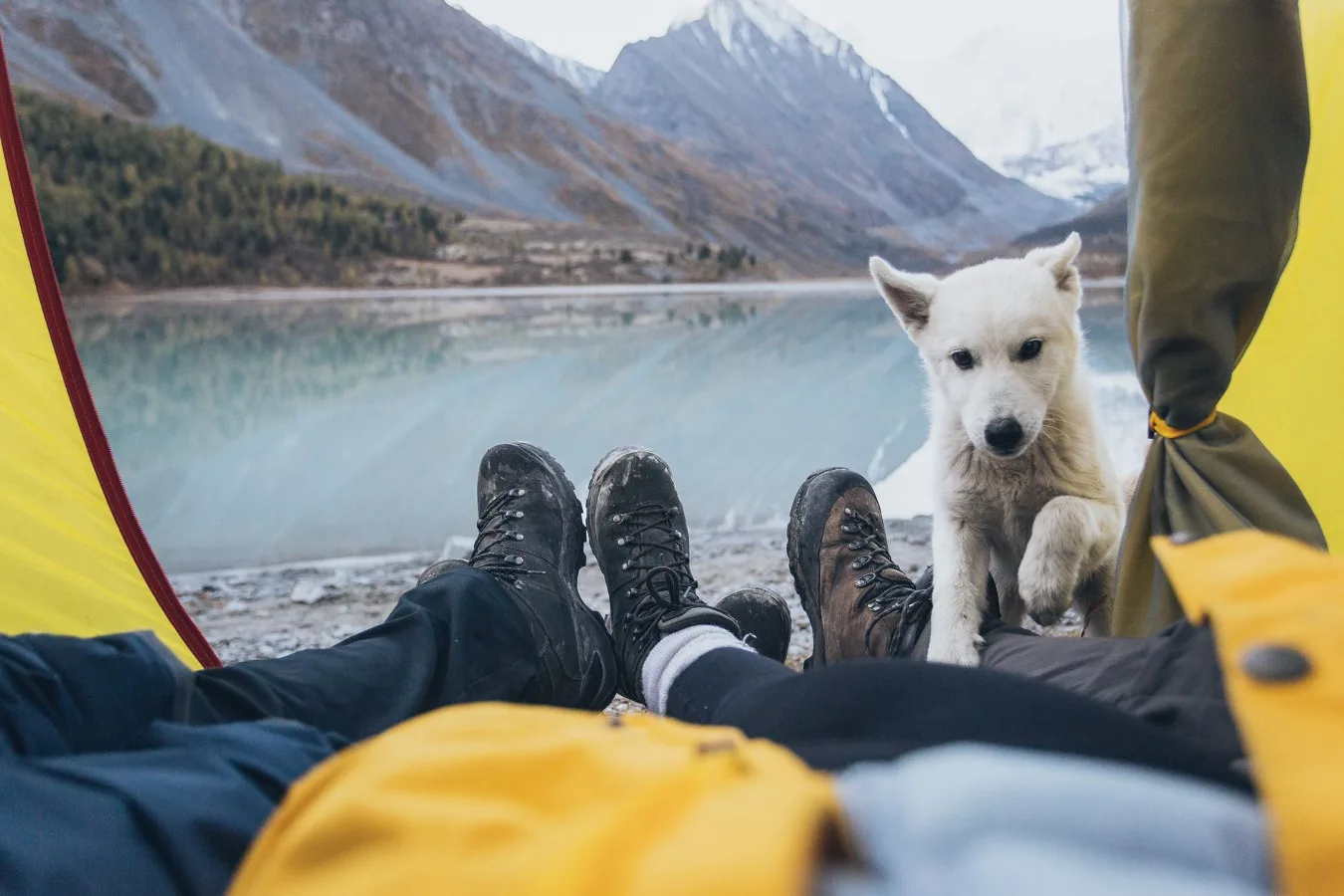
A dog camping tent is a portable shelter that gives your dog a defined place to rest at a campsite, away from direct sun, wind, insects, and foot traffic. The best version is not just “a smaller tent for pets”; it is the one that fits your dog’s size, the weather you expect, and the way you actually camp. dog camping essentials offers more detail on this point. camping tent and cot offers more detail on this point.
For many buyers, the decision comes down to comfort and control. A good dog camping tent can help create a calmer sleeping area, keep gear organized, and give your dog a familiar boundary in a new environment. But it is not always the best answer. In some situations, a crate, soft-sided kennel, canopy shade, or even a well-managed tie-out setup may be the better fit. how to keep dogs cool at camp offers more detail on this point.
When a dog camping tent makes sense
A dog camping tent matters most when you need a portable, enclosed resting space that is easier to transport than a rigid kennel and more contained than an open bed or mat. It can be useful for dogs that relax better with a den-like setup, especially in crowded campgrounds or around unfamiliar people and animals.
It is also worth considering if your dog tends to wander, get overstimulated, or struggle to settle once the campsite gets busy. A tent creates a visual and physical boundary, which can reduce distractions. For some dogs, that boundary is reassuring. For others, particularly those who dislike enclosed spaces or heat, it can feel restrictive.
The real question is not whether a dog camping tent is “good.” It is whether your dog will use it comfortably and safely in the conditions you expect.
Step-by-step criteria for choosing one
1. Start with your dog’s actual resting position
Measure your dog while lying down, not just standing up. A tent should allow your dog to stretch, turn around, and lie naturally without brushing against the sides. If the interior is too tight, your dog may avoid it; if it is overly large, it can be harder to retain warmth and may feel less secure.
Breed labels are less useful than body shape. A long dog, a tall dog, and a broad-shouldered dog all need different interior layouts. If your dog likes to curl up, a more compact shelter may work. If your dog sprawls, look for a roomier design with enough floor space to change position freely.
2. Prioritize ventilation before almost anything else
Ventilation is one of the most overlooked considerations in pet camping gear. A shelter that looks cozy in a product photo can become stuffy in warm weather or in a humid tented campsite. Mesh panels, open sides, and airflow-friendly fabrics help reduce heat buildup and stale air.
Ventilation matters even more if the dog camping tent will sit in partial sun, inside another shelter, or in a region with warm nights. A covered space without enough airflow can trap heat faster than many buyers expect. If the tent is intended primarily for shade, airflow should be treated as a core feature, not a nice extra.
3. Match the shelter to the environment, not just the dog
Camping conditions change the best choice. A lightweight portable shelter may work well for dry-weather car camping, but it may be less suitable in windy areas where anchoring matters. A soft-sided design may be convenient for travel, but a sturdier frame or stronger stake-down points may be preferable for repeated outdoor use.
Think about where the tent will actually sit: on gravel, packed dirt, sand, grass, or a campsite pad. Uneven or abrasive ground can affect stability and wear. If your camping style involves frequent movement between sites, packability and quick setup may matter more than extra structure.
4. Look for a setup that you can manage alone
Many pet owners assume every dog tent will be quick to assemble, but setup style varies widely. Some fold open easily; others require more careful staking or frame adjustment. If the tent is awkward to put together, you may avoid using it in the very situations where it would help most.
Ease of use matters especially when you arrive late, the weather turns, or your dog is already restless. The right product should be intuitive enough that you can secure it without fighting the design. Simple attachments, clear panel orientation, and straightforward anchoring are practical advantages, not minor details.
5. Consider how your dog behaves inside enclosed gear
Some dogs adapt to a camping shelter quickly because they already use crates or beds at home. Others may panic if the opening feels too narrow or if they cannot see their surroundings. A dog camping tent should support your dog’s temperament, not work against it.
If your dog is anxious, look for a design that allows visibility, airflow, and easy entry. If your dog is excitable or likely to chew, durability and supervised use become more important. A tent is not a substitute for training, and it should never be treated as a way to leave a dog unattended for long periods.
6. Think about clean-up and maintenance
Camping gear gets dirty fast. Mud, hair, food crumbs, sand, and dampness can all accumulate in a pet shelter. Materials that wipe clean or shake out easily are a real advantage. Removable liners or simple surfaces can make post-trip cleanup much easier than fabrics that hold odor or trap debris.
If you expect repeated use, choose a tent that can handle routine care without becoming fragile. The easier it is to dry, brush off, and store, the more likely you are to keep using it rather than leaving it in the garage after one messy trip.
What a dog camping tent does well
- Creates a defined resting zone: Helpful for dogs that settle better with a clear personal space.
- Improves campsite organization: Keeps bedding, toys, and water access in one predictable place.
- Offers shade or cover: Useful in bright conditions or when your dog needs a break from the elements.
- Supports travel routines: Can make it easier to keep sleep and downtime more consistent away from home.
These advantages are practical, not glamorous. The value is in reducing friction during a trip. When a dog has a familiar place to decompress, the whole campsite tends to feel calmer.
Where the limitations show up
A dog camping tent is not always the safest or most comfortable answer in extreme weather. In hot conditions, shade without airflow can be counterproductive. In cold, wet, or windy conditions, a lightweight shelter may not offer enough protection on its own. It should be viewed as one part of a broader camping setup, not a standalone solution.
Another limitation is supervision. A tent can help contain movement, but it does not replace attention. Dogs may chew mesh, scratch at seams, push against weak panels, or chew anchors if left bored for too long. If your dog is a persistent chewer or escape artist, look closely at construction and plan for active oversight.
There is also a common misconception that a dog camping tent automatically makes a campsite safer. It can help, but only when used correctly. Placement, shade, water access, ventilation, and the dog’s behavior matter just as much as the shelter itself.
Dog camping tent versus other options
Sometimes the best choice is not a tent at all. A soft crate may be better if you want more den-like familiarity and already use one at home. A hard crate can make more sense for travel safety in a vehicle and for dogs that need a sturdier enclosure. A canopy or shade shelter may be more useful if your main goal is sun protection in a warm climate.
If you are camping with a calm dog who already relaxes on a mat, a portable bed under a shade structure may be enough. If your dog needs containment, a crate-style setup may provide more structure than a tent. If your dog mainly needs relief from the sun at the campsite, a dedicated shade shelter can be simpler and more breathable.
The best decision depends on the actual use case. A dog camping tent is strongest as a lightweight resting space for short breaks, downtime, and camp organization. It is weaker as a high-security enclosure or as weather protection in difficult conditions.
Practical examples of the right fit
For a calm small dog on a car-camping trip: A compact, breathable tent with easy access may work well if your goal is a private resting spot near your own seating area.
For a medium dog in warm weather: Prioritize airflow, shade compatibility, and enough interior room to lie flat. A design that can sit under a canopy or tarp may be more useful than a fully enclosed setup.
For a dog that dislikes confinement: Consider whether an open shelter, shade tent, or bed-and-crate alternative will be less stressful. The most practical option is often the one your dog will actually accept.
For frequent campers: Durability, packability, and simple maintenance may matter more than novelty. A slightly less polished design that survives repeated use can be the better long-term choice.
Checklist before you buy
- Will your dog fit comfortably inside without crowding?
- Does the design allow enough airflow for the weather you expect?
- Can you set it up and secure it quickly?
- Will it work on the ground surface you usually camp on?
- Is the material easy to clean and dry after use?
- Does your dog tolerate enclosed spaces well?
- Will you use it for shade, resting, containment, or all three?
- Is there a better alternative for your specific camping style?
If you cannot answer these clearly, the product probably needs more scrutiny before you commit.
Common mistakes to avoid
Buying by size alone: Interior room matters, but so does airflow, entry style, and stability. A larger tent is not automatically better.
Ignoring heat buildup: Closed or poorly ventilated designs can become uncomfortable quickly, even in moderate weather.
Assuming every dog will like it: Some dogs adapt instantly; others need gradual introduction or may never enjoy enclosed shelters.
Using it as a substitute for supervision: A tent is a resting tool, not a way to ignore your dog at camp.
Overlooking the campsite surface: A shelter that works on grass may be frustrating on gravel, sand, or uneven ground.
How to think about value
Long-term value in a dog camping tent usually comes from fit, durability, and ease of use rather than from extra features. A product that packs down neatly, dries quickly, and is easy to secure may prove more useful than one that looks more elaborate but is difficult to manage in real camping conditions.
Value also depends on your dog’s personality. If your dog uses the tent often, it can become a practical part of your camping routine. If your dog refuses it after one trip, even a well-made shelter may be the wrong purchase. That is why compatibility is often more important than appearance.
Final decision guide
Choose a dog camping tent when you want a portable, breathable, and predictable resting space that helps your dog settle at camp. Favor designs with good airflow, straightforward setup, and materials you can clean without much hassle. Be cautious if your dog is anxious in enclosed spaces, if the weather is likely to be hot or windy, or if you really need containment rather than a simple shelter.
If you are comparing options, start with your dog’s comfort, then work outward to the campsite conditions and your own setup style. That order tends to lead to better decisions than shopping by appearance or by the broad promise of “pet-friendly camping gear.”