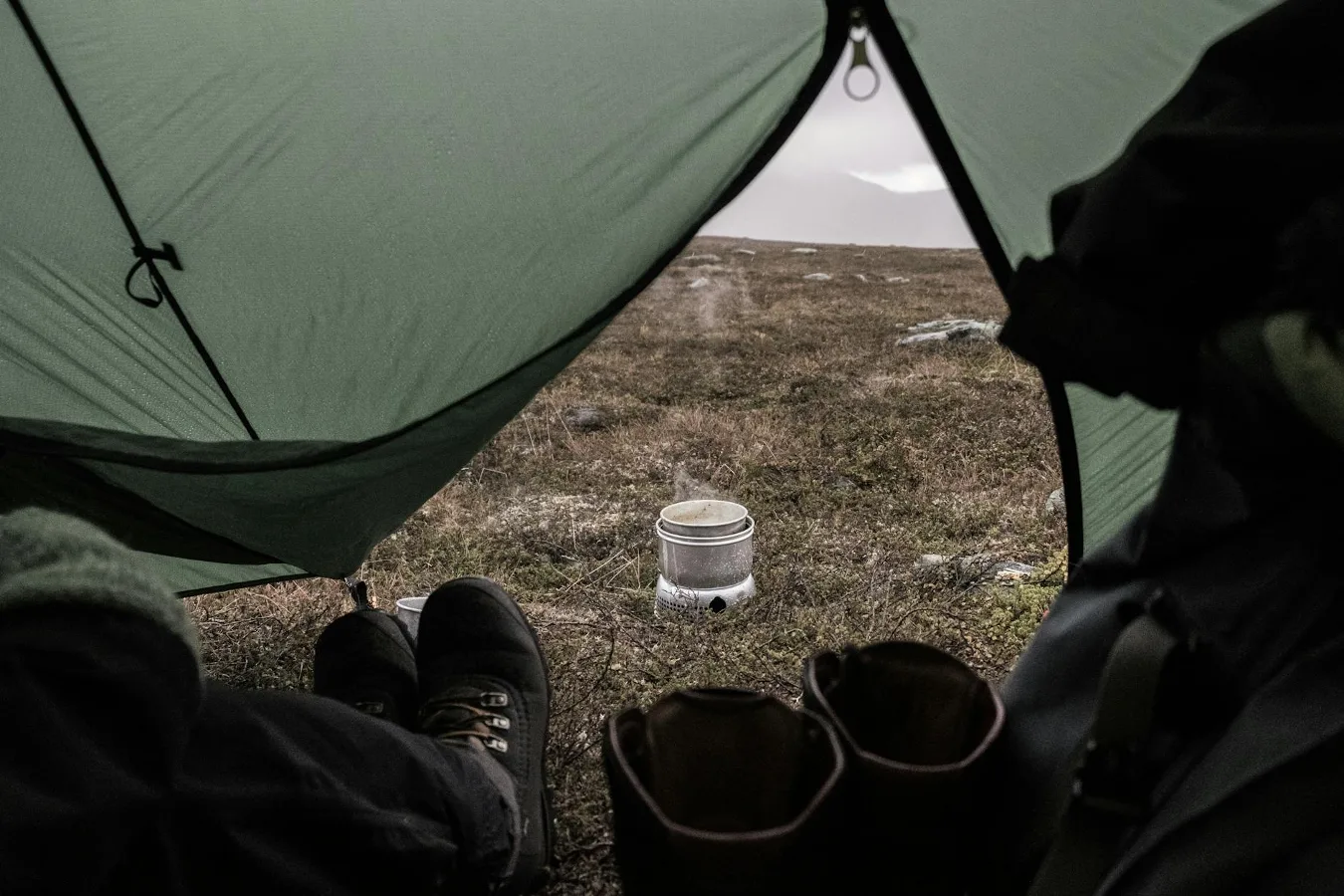
A camping tent with stove is usually a hot tent: a shelter designed to let you run a wood stove inside through a dedicated stove jack. It can be a strong option for cold-weather camping, but it is not the right choice for every trip, every camper, or every campsite. camping tent tarp offers more detail on this point.
The best choice depends on how you camp, how much space you need, how much stove management you are willing to handle, and whether your priorities lean toward warmth, comfort, portability, or simplicity. If you are comparing options, the most important question is not just whether a tent can fit a stove, but whether the entire setup is safe, practical, and suited to your conditions.
What a camping tent with stove actually is
At a basic level, this is a tent built or modified to accommodate a stove pipe safely. The stove itself is typically a small wood-burning unit placed inside the tent, while the pipe exits through a reinforced opening called a stove jack. That opening helps protect the tent fabric from direct heat and reduces the risk of damage where the pipe passes through.
These tents are commonly associated with winter camping, hunting camps, off-grid base camps, and long stays where extra interior warmth matters more than keeping the shelter ultralight. They are less about minimalist backpacking and more about livability in cold or shoulder-season conditions. winter camping shelter basics offers more detail on this point.
A common misconception is that any tent can be used this way with enough caution. In reality, the tent needs to be designed for stove use, and the stove must be matched to the shelter’s material, ventilation, and interior layout. A random heat source in the wrong tent is a safety problem, not a clever workaround.
Key factors that matter most
Stove jack design
The stove jack is the centerpiece of the whole setup. A well-placed, properly reinforced stove jack helps the pipe exit the tent without direct contact with vulnerable fabric. Placement matters because the pipe angle, stove height, and tent geometry all affect how easily the system works.
Look closely at whether the stove jack is positioned where your stove pipe will naturally run, and whether the surrounding material looks reinforced rather than improvised. A poorly located jack can create awkward setup, unnecessary stress on the pipe, or heat exposure where you do not want it.
Material and heat tolerance
Many hot tents are made from canvas or other fabrics chosen for better cold-weather livability and durability. Material choice affects more than heat resistance. It influences pack weight, condensation behavior, breathability, and how much care the shelter needs over time. how to choose a hot tent offers more detail on this point.
Canvas hot tents often appeal to campers who want a sturdier, roomier feel and expect longer stays. Lighter synthetic shelters may be easier to transport, but they generally demand more attention to heat management and manufacturer guidance. Whichever material you choose, the key is following the tent’s intended use rather than assuming all fabrics respond the same way.
Ventilation and moisture control
Heat is only part of the equation. A tent with a stove still needs sensible ventilation. Combustion consumes oxygen and creates moisture, and cold-weather camping can already bring condensation issues. A hot tent that traps damp air can feel less comfortable than expected, even if the stove is working well.
Good ventilation helps the stove run more cleanly, supports safer air exchange, and reduces the build-up of condensation inside the shelter. This is one of the most overlooked considerations for first-time buyers, who often focus on warmth and ignore airflow.
Interior space and layout
Stove-equipped tents need more usable space than a standard tent because the stove, pipe, and safety clearances take up room. A shelter that looks roomy on paper may feel cramped once a stove and gear are inside. The usable floor plan matters just as much as the advertised footprint.
Think about where sleeping bags, cots, boots, wet clothing, and cooking gear will actually live. If the stove sits too close to sleeping areas or the tent walls, the comfort gains can disappear fast. For group camping, a larger layout may be worth the added weight and setup time.
Weight, packed size, and transport
For vehicle camping, sled-based winter trips, or semi-permanent camps, packed size may matter less than comfort and warmth. For mobile use, every extra pound and every awkward component becomes more relevant. Stove pipes, stove bodies, and heat-resistant accessories all add logistical complexity.
A backpacking-style setup with a stove is possible in some contexts, but it is still a very different proposition from a lightweight three-season tent. The more portable the system, the more carefully you need to judge durability, simplicity, and how quickly it can be deployed in cold conditions.
Practical solutions for choosing the right setup
Match the shelter to your camping style
If you camp from a vehicle, hunt from a base camp, or stay in one place for several days, a hot tent can be a practical comfort upgrade. If you move camp frequently, cover long distances, or value speed above all else, the stove system may become a burden.
Ask yourself whether you want a shelter that supports relaxation and extended cold-weather stays, or one that disappears into your pack and demands little attention. That answer should narrow the field more than any spec sheet.
Choose a stove that fits the tent, not the other way around
The tent and stove need to work as a system. The stove must be sized appropriately for the shelter volume, intended use, and ventilation approach. Oversizing can create unnecessary heat and more risk, while undersizing may leave the tent underwhelming in genuinely cold weather.
Pipe routing also matters. Straightforward pipe geometry is easier to manage than a setup that forces awkward angles or excessive tension on the jack. Simplicity is often safer and more reliable than a more ambitious configuration.
Plan for fire management, not just warmth
A stove is not a set-it-and-forget-it feature. It needs fuel, attention, ash handling, and respect for clearance. That changes the way you camp. You are not just sleeping in a tent; you are managing a small heating system inside a fabric shelter.
If you like a quiet, low-maintenance campsite, consider whether you are comfortable feeding the stove during the evening and early morning. If you want effortless overnight heat, you should be realistic about what a tent stove can and cannot provide.
Think about condensation and drying
One underappreciated benefit of a stove-enabled tent is that it can help dry damp clothing and reduce that clammy cold-weather feeling. But it is still possible to create a humid interior if airflow is poor or wet gear is packed too tightly around the stove area.
For better results, treat the stove as part of your moisture strategy. Open venting when appropriate, keep damp items from crowding the heat source, and avoid assuming warmth alone will solve condensation.
When a camping tent with stove makes sense
This setup is strongest in conditions where cold is the main challenge and you want a more comfortable interior than a standard tent can provide. It can be especially useful for:
- Winter camping and shoulder-season trips
- Hunting or fishing camps with a fixed base
- Family camping where shared warmth matters
- Extended stays where drying gear is important
- Backcountry-adjacent trips that prioritize comfort over minimal weight
In these situations, the extra setup can pay off in livability. A warm shelter makes mornings easier, changes how long you can stay out, and can make cold-weather trips feel more manageable overall.
Where the trade-offs show up
The biggest drawback is complexity. A stove adds equipment, space demands, maintenance, and fire-related caution. You need dry fuel, a sensible camp layout, and the discipline to manage heat responsibly. That is a very different experience from pitching a standard tent and climbing into a sleeping bag.
Weight and bulk are another trade-off, especially if the system is being considered for anything beyond vehicle-access camping. There is also the reality that a stove can make the tent more comfortable, but not automatically safer or more efficient if the shelter is the wrong design.
Another limitation is that a stove does not replace good cold-weather sleep systems. Even in a hot tent, the sleeping bag, pad insulation, and clothing still matter. Warm air above you is not the same as proper insulation underneath you.
Common mistakes to avoid
- Choosing a tent based on size alone and ignoring stove jack placement
- Assuming any heat source can be used safely in any shelter
- Overlooking ventilation because the tent already has a stove opening
- Underestimating how much room the stove and pipe will take
- Forgetting that condensation control still matters in a heated tent
- Expecting the stove to replace a proper sleeping system
- Buying a setup that is too complex for your actual camping style
Many buyers focus on the warm-cabin appeal and skip the practical details that determine whether the tent will be easy to live with in real conditions. A shelter that is technically compatible can still be a frustrating choice if it is difficult to pitch, hard to vent, or awkward to pack.
Alternatives worth considering
If your main goal is cold-weather comfort rather than stove use specifically, there are a few alternatives to compare. A well-insulated sleeping system with a robust tent can be enough for many shoulder-season trips. For campers who want some warmth without a wood stove, other heating approaches may exist, but they come with their own limits and safety requirements.
For some users, the better answer is a larger four-season tent paired with stronger sleep insulation. For others, the right move is a hot tent only for specific trips where the stove truly adds value. The most practical option is not always the warmest one.
How to decide if it is right for you
Start with your actual camping pattern. If you camp in cold weather often, stay put long enough to enjoy the comfort, and are willing to manage fuel and fire safety, a camping tent with stove can be a smart investment in comfort and versatility. If your trips are short, mobile, or minimalist, the same setup may become more hassle than help.
Then compare four things together: tent material, stove jack design, interior space, and ease of transport. Those elements tell you far more than a headline description ever will. A good hot tent is one that fits your camping style, not just one that looks appealing in photos.
For most buyers, the best approach is to treat a stove-compatible tent as a specialized tool. Used in the right setting, it can transform cold-weather camping. Used casually or without enough planning, it can introduce more complexity than comfort.