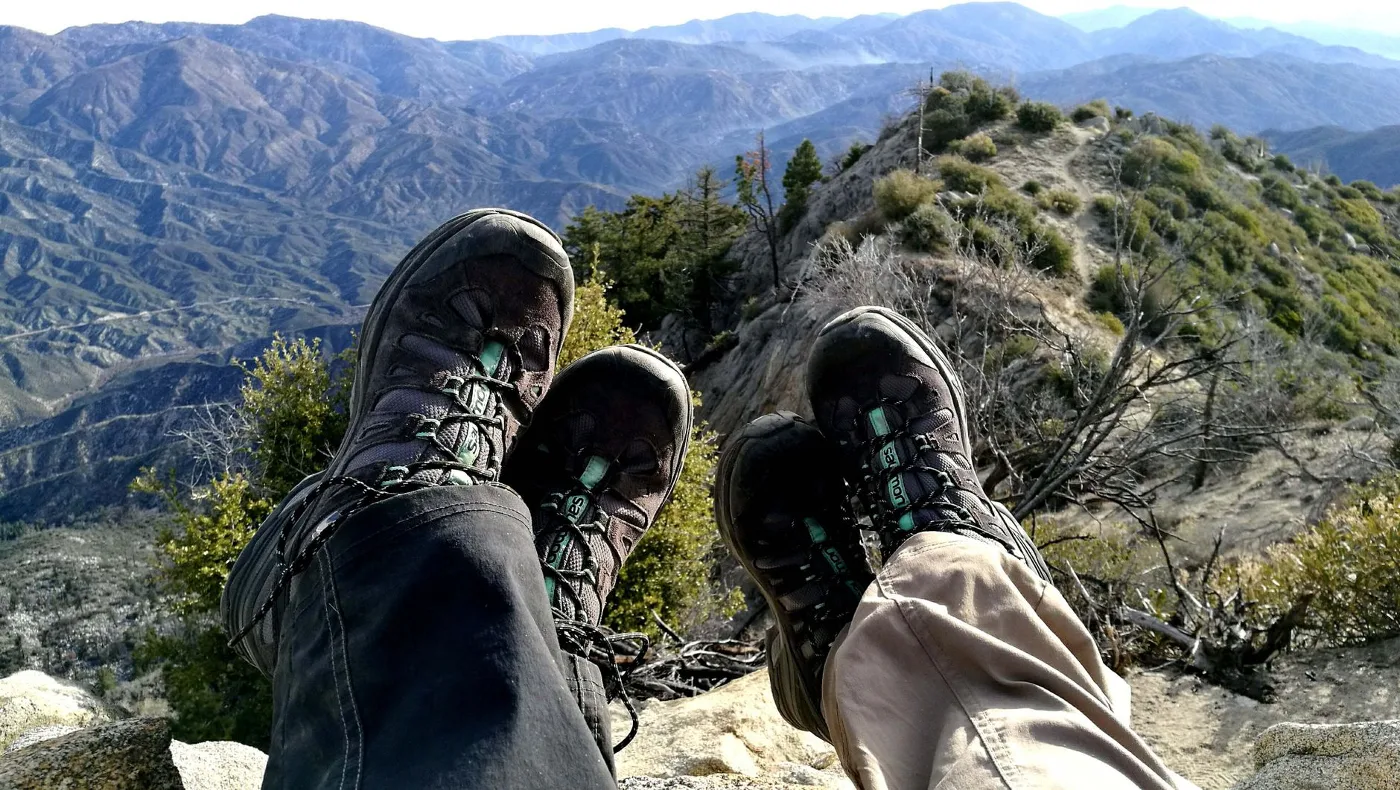
If you are new to hiking, the best boots are usually the ones that fit well, feel stable on your feet, and match the kind of trails you actually plan to walk. For most beginners, that means looking for dependable traction, a comfortable upper, and enough support for uneven ground without choosing a boot that feels stiff, heavy, or hard to walk in. boa hiking boots offers more detail on this point. Best Women Hiking Boots: A Smart Buying Guide offers more detail on this point.
The most common mistake is assuming the most rugged boot is automatically the safest choice. For many first-time hikers, a lighter boot or even a hiking shoe can be the better long-term option if the trails are well maintained and the pack stays light. The right answer depends less on appearances and more on fit, terrain, weather, and how much support you truly need.
Quick answer: what beginners should prioritize
If you only want the short version, start with fit first, then traction, then support. A beginner-friendly hiking boot should leave room for your toes, hold your heel securely, and feel stable on slopes and loose ground. If the boot requires a painful break-in or feels overly rigid in the store, it is usually not the right place to begin.
For most new hikers, these are the most useful priorities:
- Comfort right away: The boot should feel wearable during the first try-on, not after weeks of forcing it to soften.
- Secure heel hold: Excess movement in the heel can cause blisters and reduce confidence on descents.
- Appropriate support: Enough structure for uneven trails, but not so much that the boot feels clunky.
- Reliable outsole traction: A grippy outsole matters more than a high-cut silhouette alone.
- Weather suitability: Breathability matters in heat; waterproofing helps in wet conditions, but it adds trade-offs.
That combination usually serves beginners better than chasing the toughest-looking boot on the shelf.
How to compare hiking boots for beginners
Once you narrow the field, compare boots by how they solve real trail problems. A beginner does not need every advanced feature. Instead, focus on the attributes that affect comfort and confidence during your first few hikes.
Fit and toe room
Fit is the most important factor because even a high-quality boot can fail if it does not match your foot shape. Your toes should have enough room to wiggle, especially if you will be hiking downhill. A cramped toe box can lead to rubbing, black toenails, and a general reluctance to keep hiking. At the same time, a boot that is too roomy can let your foot slide forward and create friction.
Pay attention to width as well as length. Some hikers need a standard width, while others do better with a wider platform or a brand that naturally suits broader feet. Foot shape matters more than brand reputation here.
Support and boot height
Many beginners assume a taller boot automatically means better ankle protection. That is not always true. Boot height can help with debris protection and may feel reassuring on uneven terrain, but ankle support also depends on the boot’s overall structure, lacing system, and how well it fits your heel and midfoot.
If you mostly hike on moderate trails, a mid-height boot may be enough. If you often step on roots, rocks, or unstable ground, a more structured boot can feel more confidence-inspiring. Still, a very stiff boot is not automatically ideal for beginners, especially if it makes natural walking harder.
Traction and outsole design
The outsole is one of the most overlooked parts of a beginner’s purchase. The lugs, rubber compound, and tread pattern affect how the boot grips dirt, gravel, mud, and wet rock. Deep, aggressive lugs are useful in softer or looser terrain, while a more balanced pattern may feel better on mixed trails and packed paths.
There is a practical nuance here: traction is not only about “more tread.” A boot that feels secure on dry dirt may still struggle on slick rock or muddy slopes. Beginners should think about the trails they will actually encounter, not the most extreme terrain they can imagine.
Weight and walking feel
Heavy boots can provide a sturdy feel, but that stability comes with a cost. They can feel tiring on longer walks and may take more effort to lift with each step. Beginners often do better with a lighter boot that still gives enough structure, especially if their hikes are short to moderate in length.
A lighter boot can make it easier to build confidence because your stride feels more natural. If you are unsure, try walking in the boots for several minutes on different surfaces before deciding. If they already feel awkward on flat ground, that usually does not improve on trail.
Materials and weather performance
Hiking boots are commonly built with leather, synthetic materials, or a combination of both. Leather can offer durability and a more protective feel, while synthetic uppers often feel lighter and may dry faster. Neither is universally better. The right choice depends on your priorities and the environment where you hike.
Waterproof membranes can be helpful for wet grass, rain, puddles, or damp trails. But waterproofing can reduce breathability, which matters in hot weather or during high-exertion hikes. For beginners, this trade-off is often misunderstood: a waterproof boot is not the best choice for every season or region.
Break-in time
Some boots need a longer break-in period than others. Beginners often underestimate how important this is. A boot that feels great in the store but causes pressure points after an hour of walking can turn a planned hike into a frustrating experience. Softer, more flexible boots are often easier for new hikers because they adapt faster to your stride.
If a boot advertises a rugged build, expect to spend more time wearing it around home before taking it out for a longer trail day. That is not a flaw, but it does affect convenience.
Boots versus hiking shoes: a useful reality check
For many beginners, the real decision is not which hiking boot to buy, but whether a boot is necessary at all. Hiking shoes can be a smarter choice if you hike mostly on maintained trails, prefer a lighter feel, and do not need extra ankle height. They are often easier to move in and can be more comfortable in warmer weather. beginner trail shoe vs boot guide offers more detail on this point.
Hiking boots make more sense when you want a stronger sense of structure, expect rougher terrain, or prefer a little more protection around the foot and ankle. The trade-off is usually weight, flexibility, and sometimes breathability.
A helpful rule of thumb: if your hikes will be short, dry, and on clearly marked paths, a hiking shoe may be enough. If you expect rocky footing, mixed weather, or more variable terrain, a boot can be the more reassuring option. Neither choice is inherently “better”; the right one is the one that fits the trip.
Common mistakes beginners make
Buying hiking boots gets easier once you know the traps. New hikers often focus on the wrong details, or they choose a boot that sounds impressive but does not match their needs.
- Choosing too much boot: Very stiff or heavy boots can feel protective, but they can also feel cumbersome for casual trail use.
- Ignoring sock thickness: Socks affect fit significantly. Trying boots with the wrong sock type can lead to buying the wrong size.
- Assuming waterproof means better: Waterproof boots are useful in some conditions, but they can feel hot and slow to dry if water gets inside.
- Overlooking heel slip: Heel movement is a common source of blisters and instability.
- Focusing only on brand names: Brand reputation cannot replace a good fit for your foot shape.
- Skipping a real walk test: Standing still in a boot tells you much less than walking, climbing stairs, and descending a slope.
One especially common misconception is that beginners need the heaviest boot available for safety. In practice, many new hikers are better served by a more forgiving boot that encourages natural movement and builds confidence gradually.
How to evaluate fit in a store or at home
You do not need technical knowledge to judge whether a hiking boot is working for you. A few simple checks tell you a lot.
- Try the boots later in the day if possible, since feet can swell slightly.
- Wear the socks you expect to hike in, not thin casual socks.
- Check that your heel stays planted when you walk.
- Make sure your toes are not pressed against the front when walking downhill.
- Notice pressure points around the arch, ankle collar, and forefoot.
- Walk on an incline if the store setup allows it, or test on stairs at home.
If you feel pinching, numbness, or rubbing right away, do not assume the issue will magically disappear. Some minor stiffness is normal; persistent discomfort usually is not.
When beginners should choose alternatives instead
Sometimes the best answer is not a boot. That is especially true for hikers who are just starting out and want a simpler, less expensive entry into the activity. Trail shoes or hiking shoes can be a better fit if you value flexibility, lower weight, and quicker comfort out of the box.
On the other hand, if you know you will hike in colder, wetter, or rougher settings, boots can offer more protection and a steadier feel. The choice is less about status and more about matching the footwear to the conditions.
If your first hiking plan is mostly paved paths, well-groomed park trails, or short weekend walks, do not feel pressured into buying a boot just because it sounds like the “proper” option. A simpler shoe may be the more practical purchase.
Care and maintenance basics
Beginner hiking boots last longer and stay more comfortable when they are cared for consistently. The basics are straightforward: remove dirt after each hike, let the boots dry naturally, and store them in a cool, dry place. If they get soaked, avoid direct heat sources that can damage materials or cause them to dry unevenly.
Cleaning matters because grit can wear down the upper and outsole over time. Laces, insoles, and interior moisture also deserve attention. Letting a boot dry fully between hikes helps reduce odor and keeps the interior from feeling damp on your next outing.
For leather boots, care requirements may be more involved than for synthetic models. That is another practical trade-off beginners should weigh before choosing a pair.
A simple way to narrow your options
If you are comparing several beginner-friendly boots, use this order of priorities:
- Does the fit feel secure without pressure points?
- Does the boot match your likely trail conditions?
- Is the weight comfortable for your walking style?
- Does it offer enough traction for your terrain?
- Will you be able to wear it for long enough to make the purchase worthwhile?
If two boots feel similar, choose the one that matches the environment you will hike in most often. A boot that is slightly less ambitious but better suited to your local trails is usually the more sensible choice.
For beginners, hiking boots should reduce uncertainty, not add it. The best pair is the one that feels stable, fits your foot shape, and suits the kind of hiking you actually plan to do.