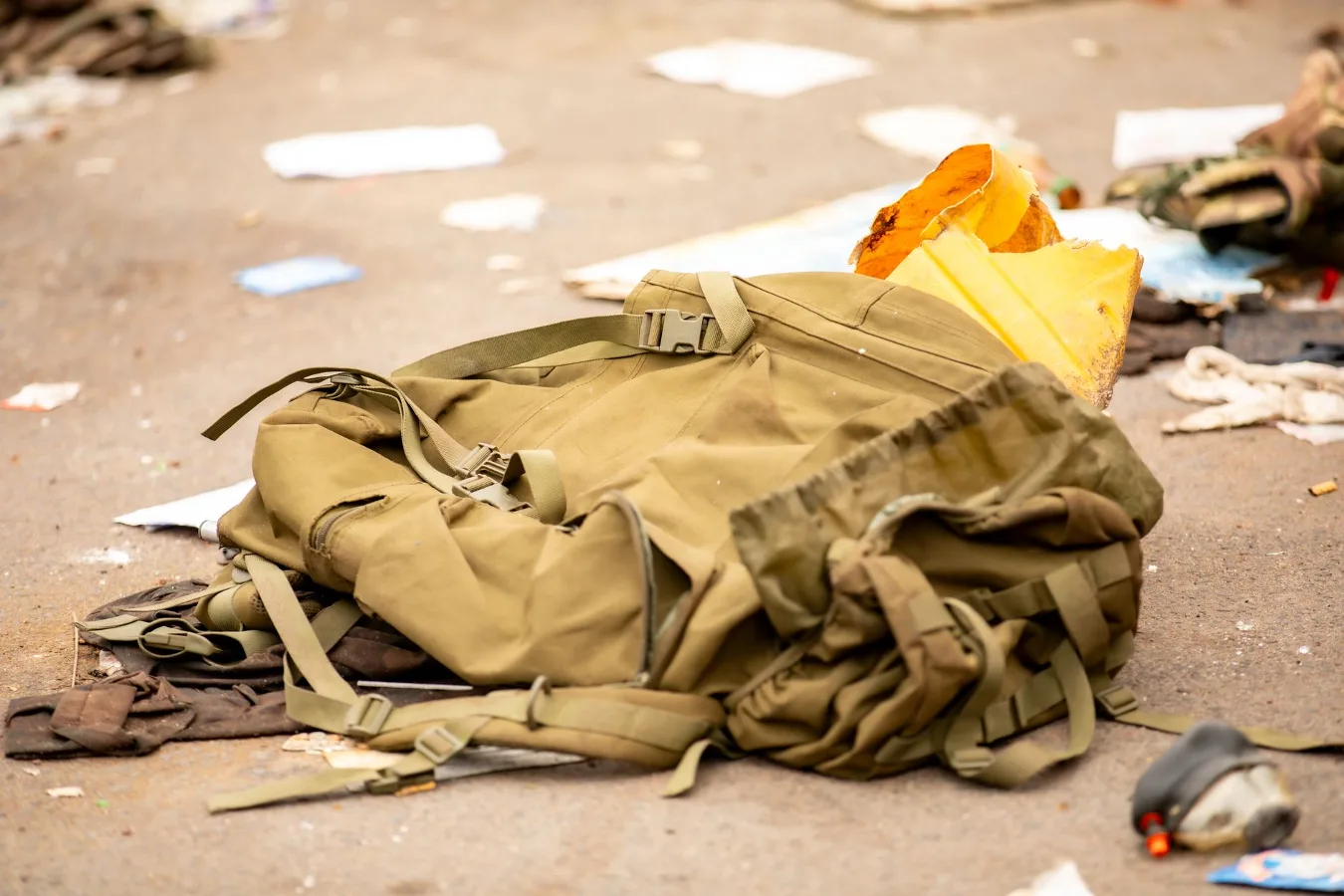
Why people look for a military sleeping bag
A military sleeping bag usually appeals to buyers who want a tougher, more weather-ready sleep system than a basic summer bag. The phrase can describe official-issue-style bags, military surplus, or civilian bags inspired by military use, but the buying goal is similar: dependable warmth, durable construction, and practical performance in rough outdoor conditions. 20 degree sleeping bag offers more detail on this point.
The catch is that the label alone does not tell you whether a bag will suit your trip. Some military-style bags are built for cold-weather field use and can be bulky. Others prioritize compact carry or modular layering. If you are shopping for camping, emergency prep, hunting, vehicle storage, or general outdoor use, the right choice depends on how you plan to use it, not just the military look.
The most useful way to evaluate a military sleeping bag is to think in terms of weather range, insulation type, packed size, shell durability, and compatibility with your sleep system. Those factors matter more than the branding.
Start with the environment, not the appearance
A common mistake is buying a military sleeping bag because it looks rugged and assuming that means it will be right for cold nights. Real-world conditions are more specific. A bag that works well for a truck bed, hunting camp, or emergency kit may be too heavy for backpacking. A bag that is comfortable in a bivy setup may feel restrictive in a roomy tent. choosing the right tent sleeping setup offers more detail on this point.
Ask a few practical questions first:
- Will you use it in damp weather, dry cold, or mixed conditions?
- Do you need something for vehicle storage, short-term emergency use, or regular camping?
- Will you carry it far on foot, or is weight less of a concern?
- Do you sleep warm or cold?
These answers usually narrow the field faster than any marketing description.
Key factors that matter most
Insulation type
Most military sleeping bags rely on synthetic insulation because it handles moisture better than many natural fills and remains more forgiving in rough use. That does not automatically make synthetic the best option for everyone, but it is often the safer bet for wet climates, unpredictable conditions, and storage in less-controlled environments.
Down insulation can offer excellent warmth-to-weight performance, but it is more sensitive to moisture and demands more careful care. If you want a bag for long-term storage in a kit or for use where dampness is common, synthetic insulation is usually the more practical starting point.
Temperature range and seasonality
Military sleeping bags are often chosen for three-season or cold-weather use, but not every model is truly suitable for winter. Pay close attention to how the bag is positioned: some are designed as part of a layered system, while others are standalone bags. how to choose a sleeping bag offers more detail on this point.
A strong mistake to avoid is assuming that a heavy-looking bag is automatically a cold-weather winner. Loft, construction, closure design, and how well the bag seals around drafts all influence warmth. If you camp in a wide range of conditions, think about whether you need a modular system rather than a single very warm bag.
Shell fabric and durability
One of the biggest reasons buyers look at military-style gear is durability. A more rugged shell can better tolerate abrasion from floors, cots, vehicle interiors, and repeated packing. That said, tougher fabric can also mean added weight or a stiffer feel.
If durability is your priority, look for details that suggest practical construction rather than just a tactical aesthetic: reinforced stitching, robust zippers, draft tubes, and a shell that seems designed for repeated use. If the bag will live in a duffel, truck, or storage bin, durability may matter more than ultralight packability.
Weight and packed size
Military sleeping bags are often less compact than backpacking-specific models. That is not a flaw if you are storing one in a vehicle, using it for basecamp, or building an emergency kit. It becomes a limitation if you need to carry it long distances.
For backpacking or hiking, the trade-off is simple: a heavier, bulkier bag may offer toughness and warmth, but it can make the rest of your load more difficult to manage. If you are building a packable sleep system, think beyond the bag itself and consider the total volume of your insulation, pad, and shelter.
Shape and sleeping comfort
Military-style bags tend to favor efficient warmth and practical coverage, which can mean a closer fit than many casual camping bags. That helps reduce dead air space but may feel restrictive if you move a lot in your sleep or prefer room to spread out.
Mummy shapes usually retain heat well, while rectangular or semi-rectangular designs offer more freedom. The right shape depends on whether warmth or roominess matters more to you. For cold-weather use, a snugger fit is often more efficient. For basecamp or car camping, comfort and space may be the better trade-off.
Closure design and draft control
Zippers, draft tubes, hood design, and collar construction have a real effect on comfort. A bag can have solid insulation and still feel cold if it leaks heat around the opening or zipper line. This is an overlooked factor because shoppers often focus only on the headline insulation.
Check whether the zipper is easy to operate, whether it can snag, and whether the bag has features that reduce cold spots near the opening. In colder conditions, a good closure system can make a noticeable difference in how usable the bag feels overnight.
Practical solutions for different kinds of buyers
If you want a bag for emergency readiness
For a home, vehicle, or bug-out setup, a military sleeping bag should be dependable, easy to store, and ready to use after sitting for a while. Synthetic insulation is often the practical choice because it generally handles long storage better than a moisture-sensitive fill. A slightly bulkier bag is usually acceptable here if it improves reliability and warmth.
Look for a model that is easy to compress, easy to repack, and straightforward to pair with a sleeping pad or liner. Emergency use often happens in less-than-ideal places, so compatibility matters as much as raw warmth.
If you plan to camp in wet or unpredictable weather
Moisture changes the equation. A bag that performs well in dry conditions may lose comfort quickly if it gets damp from condensation, ground moisture, or repeated packing in poor weather. For this use case, a military sleeping bag with synthetic insulation and a tough shell is usually more forgiving.
Also think about your shelter. A sleeping bag alone does not solve wet-weather problems. A good ground pad, a dry storage system, and a shelter that reduces condensation all improve performance more than buying a heavier bag alone.
If you need something for backpacking
This is where many military-style bags become a compromise. Their strengths—durability and weather resilience—can come with added bulk. If your priority is distance and mobility, you may want to compare military sleeping bags with lighter backpacking bags or modular sleep systems.
If you still prefer the military style, focus on the lightest bag that still meets your temperature needs and avoid overbuying warmth you will not actually use. Extra insulation sounds useful until it becomes dead weight on a long trail.
If you want a bag for hunting or basecamp
Hunting camps, truck beds, and fixed basecamps are often a good match for military sleeping bags. In these settings, ruggedness and weather tolerance usually matter more than packed size. Camouflage can be useful for some users, but the real advantage is often the practical construction and the ability to handle repeated use.
For these scenarios, choose a bag that balances warmth and comfort with the realities of your shelter. A roomy bag may feel better in a tent or cabin, while a tighter bag may be preferable if you are trying to conserve heat in colder conditions.
Compatibility is easy to overlook
One of the most practical questions is whether the sleeping bag works with the rest of your gear. Military sleeping bags are often used with sleeping pads, bivy sacks, liners, or modular systems. If the bag is too large for your pad, too narrow for layering, or awkward inside your shelter, the advertised benefits matter less.
Pay attention to:
- Sleeping pad width so the bag sits properly underneath you
- Bivy compatibility if you plan to add weather protection
- Liner use if you want easier cleaning or a small warmth boost
- Storage size if the bag must fit in a vehicle, pack, or cabinet
A well-matched sleep system often feels warmer and more comfortable than a heavier bag used with the wrong pad or shelter.
Common misconceptions about military sleeping bags
“Military” always means warmer. Not necessarily. Warmth depends on insulation, construction, and fit. The label alone is not proof of winter performance.
Heavier means better. Sometimes weight reflects added durability or more insulation, but it can also mean poor packability. Weight is only useful if it supports your actual use case.
One bag solves every condition. A single sleeping bag rarely excels in every scenario. If your climate changes often, a modular setup or layered system may be more practical.
Camouflage is the main advantage. Camo can be useful, but most buyers are really paying for ruggedness, coverage, and weather adaptability. Appearance should be secondary.
How to choose with confidence
If you are deciding between several military sleeping bags, use a simple order of priorities.
- Match the bag to the coldest conditions you realistically expect.
- Choose insulation based on moisture risk and storage habits.
- Decide whether portability or durability matters more.
- Check shape and dimensions for sleeping comfort.
- Confirm the bag works with your pad, shelter, and storage space.
This approach prevents the most common buying error: choosing a bag for a theoretical worst-case scenario and ending up with something too bulky, too warm, or too inconvenient to use regularly.
Where a military sleeping bag makes the most sense
A military sleeping bag is usually a strong fit for buyers who want rugged construction, cold-weather confidence, and practical field use. It is especially appealing for car camping, emergency preparedness, hunting, basecamps, and general outdoor storage where durability matters more than ultralight performance.
It is less ideal if your main goal is shaving every ounce from a hiking setup or maximizing luxury-level comfort. In those cases, a lighter backpacking bag or a more spacious camping bag may be a better match.
The best choice is the one that fits your conditions, your gear, and the way you actually sleep outdoors. That is what separates a useful military sleeping bag from one that only looks ready for the field.