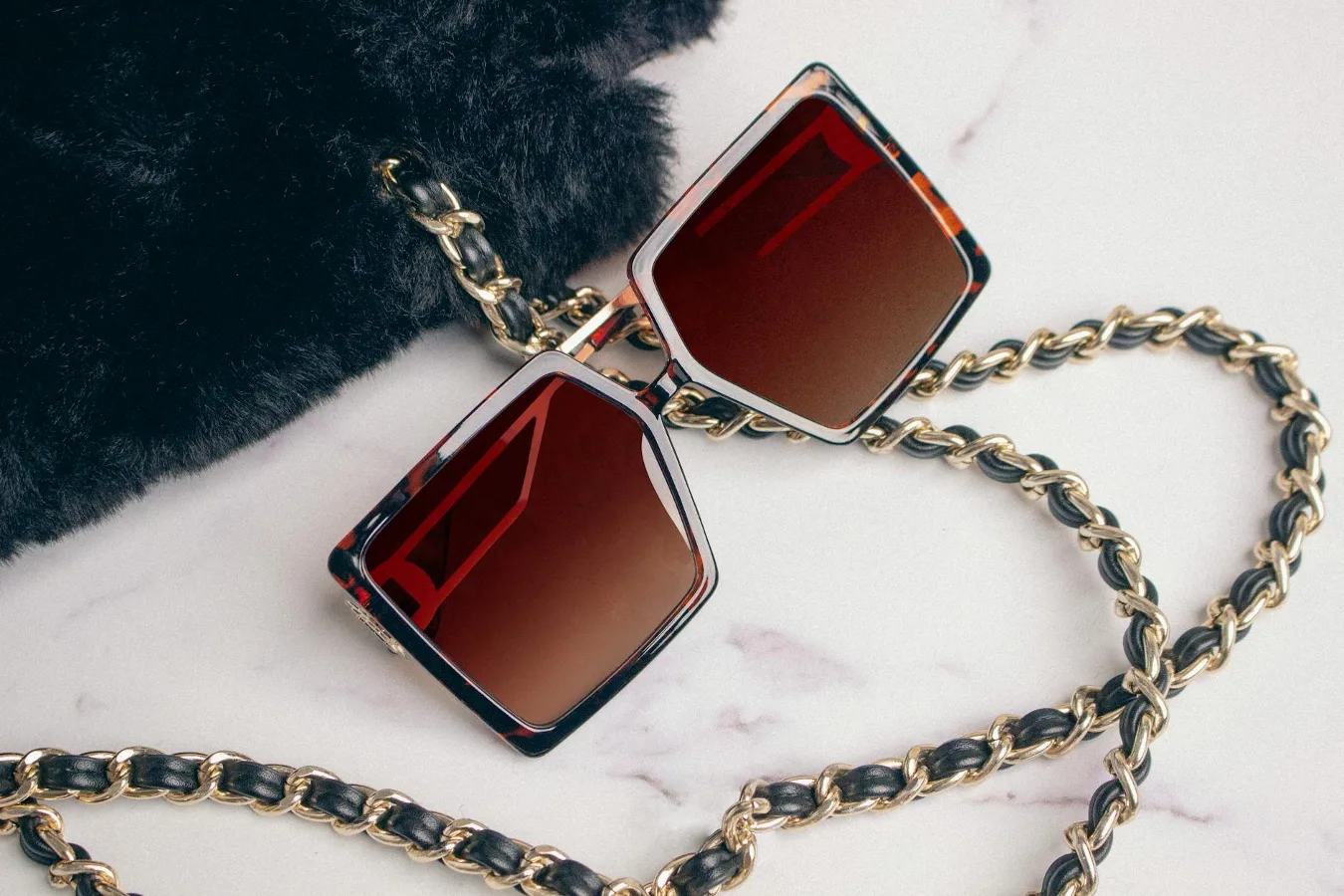
Tortoise shell sunglasses are a smart pick if you want eyewear that feels classic without looking plain. The pattern is familiar, but it still adds texture and depth, which is why it works across casual outfits, polished wardrobe basics, and more fashion-forward looks. eyewear fit and comfort guide offers more detail on this point. Escada Sunglasses: A Practical Buying Guide offers more detail on this point.
If you are shopping for a pair, the main decision is not just the pattern. Frame shape, fit, lens quality, material, and how intense the tortoise pattern appears all matter. A good pair should suit your face comfortably, match how you dress, and perform well in the situations you actually use sunglasses.
Why tortoise shell sunglasses are so easy to wear
Tortoise shell is popular because it behaves like a neutral, but not a flat one. The mottled brown, amber, black, and sometimes honey-colored pattern adds visual interest while staying softer than bright colors or high-contrast finishes. That makes it useful if you want sunglasses that can work with denim, tailored basics, warm-weather outfits, and everyday streetwear.
Another reason they are so widely used is flexibility. Tortoise frames can look traditional in a rounded shape, modern in a square shape, and more expressive in cat-eye or oversized silhouettes. The same pattern can read understated or dramatic depending on frame design.
A common misconception is that tortoise shell sunglasses only suit certain skin tones or hair colors. In practice, the better question is whether the specific shade and frame shape work with your overall style. Darker tortoise patterns tend to feel more grounded, while lighter amber-heavy versions can look brighter and more casual.
How to compare tortoise shell sunglasses before you buy
For most shoppers, the best pair comes down to a few practical factors. The pattern matters, but it should never outweigh fit and function.
Frame shape
Frame shape changes both appearance and comfort. Round and oval frames usually feel softer and more vintage-inspired. Square and rectangular frames often look sharper and more structured. Cat-eye shapes add lift and a more styled feel. Aviator-style frames can make tortoise pattern feel less traditional, especially when paired with metal accents.
If you are unsure where to start, look at the shapes you already wear in glasses or sunglasses. The most flattering pair is often one that feels like a natural extension of your usual wardrobe rather than a total departure.
Frame material
Many tortoise shell sunglasses are made from acetate or plastic-based materials that can hold the pattern well. Acetate is especially common because it allows for rich color depth and a polished finish. Metal frames can also feature tortoise details, often on the temples or rims, but the pattern is usually more subtle.
Material affects more than appearance. It can influence weight, flexibility, and how the frames feel on the nose and behind the ears. A heavier frame is not automatically worse, but it should sit securely without pinching or sliding.
Lens quality
For sunglasses, the lenses are not optional decoration. Look for UV protection as a baseline, since the main job of sunglasses is to help reduce exposure to harmful ultraviolet rays. If you spend time near water, drive frequently, or are sensitive to glare, polarized lenses may be worth considering because they can reduce reflected light.
Polarization is useful, but it is not required for everyone. Some people prefer non-polarized lenses for screens, certain driving conditions, or simply because they want a different visual feel. The better choice depends on how and where you use your sunglasses most often.
Fit and comfort
Fit is one of the most overlooked factors in sunglasses shopping. A frame can look excellent in photos but become annoying after an hour if the temples press too hard, the bridge slips, or the lenses sit too close to your cheeks. Check how the frame rests on your nose, whether the arms sit evenly, and whether the size feels balanced with your face.
Comfort also affects usefulness. If sunglasses are uncomfortable, they tend to stay in a bag or car instead of being worn regularly. That makes fit more important than chasing a trendier shape that does not suit you.
Pattern intensity
Not all tortoise shell looks are the same. Some frames have a dark, subtle pattern that reads almost like deep brown with tonal variation. Others have larger, brighter patches of amber and caramel. A stronger pattern can become a focal point, while a more subdued pattern blends easily with most outfits.
This is one of the most practical style decisions, because pattern intensity affects versatility. If you want a single pair for everyday wear, a calmer tortoise finish may be easier to live with. If you want your sunglasses to act as a statement accessory, a bolder pattern can be more satisfying.
Choosing the right tortoise shell sunglasses for your style
The best frame is the one that matches how you actually dress. Tortoise shell is adaptable, but different shapes create different style effects.
- For a classic wardrobe: try rounded, oval, or softly squared frames with a moderate tortoise pattern.
- For polished everyday outfits: look at clean rectangular styles or minimal cat-eye frames.
- For a more fashion-forward look: consider oversized or sharply angled silhouettes.
- For a relaxed casual style: lighter tortoise patterns and easygoing shapes often feel less formal.
One useful way to narrow the field is to think about contrast. If your clothing already includes a lot of color or pattern, a subtler tortoise frame may balance the look. If your wardrobe is mostly neutral, a more pronounced tortoise pattern can add dimension without feeling loud.
Face shape guides can help, but they should not be treated as rigid rules. They are better used as a starting point. For example, a square frame may soften round features, while a curved frame may lighten the look of a sharper jawline. Still, proportion, brow alignment, and overall fit usually matter more than any single style rule.
Common mistakes shoppers make with tortoise shell sunglasses
Because the pattern is so versatile, shoppers sometimes focus on style alone and overlook the details that determine whether the glasses will actually work.
Choosing the pattern before the fit
This is the most frequent mistake. A frame can look great in the tortoise finish and still be the wrong width or bridge shape for your face. Start with fit, then refine by pattern and color depth.
Ignoring lens basics
Some pairs look fashionable but do not offer the lens features that matter for daily wear. Even if the frame is attractive, weak lenses reduce the practical value of the purchase. Look for clear information about UV protection and, if relevant, polarization.
Assuming all tortoise shades behave the same
A dark brown tortoise frame and a honey-toned one can create very different results. Darker versions often feel more classic and subdued. Lighter versions can appear more summery and relaxed. If you buy online, inspect close-up photos carefully so you are not surprised by the real tone.
Overlooking wardrobe compatibility
Tortoise shell is adaptable, but some versions clash with the rest of a look if the undertones are too warm or too bold. If you often wear cool-toned clothing, black, silver, or gray accessories may sometimes feel easier. If your wardrobe leans earthy, camel, olive, cream, and tan, tortoise shell usually fits in naturally.
Choosing trendy proportions that are hard to wear
Oversized or very narrow frames can look striking in photos yet feel awkward in daily life. That does not mean you should avoid them, only that the practical side matters. Sunglasses that are uncomfortable or constantly need adjustment rarely become favorites.
Alternatives worth considering
If tortoise shell is close to what you want but not quite right, there are a few alternatives that preserve similar versatility.
- Solid brown frames: good if you want warmth without pattern.
- Black frames: a sharper, more contrast-heavy option for minimal wardrobes.
- Clear or translucent frames: lighter in appearance and easier to pair with modern casual outfits.
- Metal frames: useful if you prefer a slimmer profile or a less visually dominant look.
- Two-tone frames: a middle ground if you want interest without a full tortoise pattern.
These alternatives can be especially helpful if you like the idea of neutral eyewear but find some tortoise patterns too busy or too warm for your taste.
How to make tortoise shell sunglasses more useful day to day
Good sunglasses should fit your routine. If you commute, drive, or spend time outdoors, comfort and lens performance matter more than novelty. If you mainly wear sunglasses as a finishing touch, appearance and outfit coordination may matter more.
Think about where they will live between uses. A frame that scratches easily or feels flimsy may be less satisfying if you toss it into a bag often. A sturdier case and a habit of storing them properly will help preserve the finish and alignment, especially with patterned frames that you want to keep looking clean.
Cleaning also matters. Use a soft microfiber cloth and a lens-safe cleaner when needed, and avoid wiping lenses with rough fabric that can leave debris behind. On the frame itself, gentle care helps preserve the look of acetate and reduces the chance of dulling the finish.
If you want one pair to do a lot of work, aim for a balanced design: moderate-size lenses, a comfortable bridge, dependable UV protection, and a tortoise pattern that is detailed enough to feel interesting but not so bold that it limits your outfits.
What to prioritize if you are buying online
Online shopping can be convenient, but sunglasses are hard to judge from photos alone. To reduce surprises, pay attention to frame measurements if they are provided, the stated lens features, and multiple images from different angles.
Pay special attention to the bridge area and temple length if you have a narrow or wider face. If the listing includes model photos, use them only as a rough visual reference. A frame that looks balanced on one person may appear much larger or smaller on another.
Read the product details carefully for material descriptions. Terms like acetate, metal, and TR90 often indicate different feels and wearing experiences. If the description is vague, that usually means you should be cautious about expectations.
For shoppers who want tortoise shell sunglasses as a long-term staple rather than a seasonal impulse buy, restraint usually pays off. A classic shape, well-proportioned fit, and medium-toned tortoise pattern are more likely to stay relevant than an extremely trendy silhouette that feels dated quickly.
Tortoise shell sunglasses earn their popularity because they combine versatility with personality. They are easy to wear, but not invisible. The best pair is the one that suits your face, matches your wardrobe, and offers the lens quality and comfort you will actually use. best sunglasses shapes for your face offers more detail on this point.