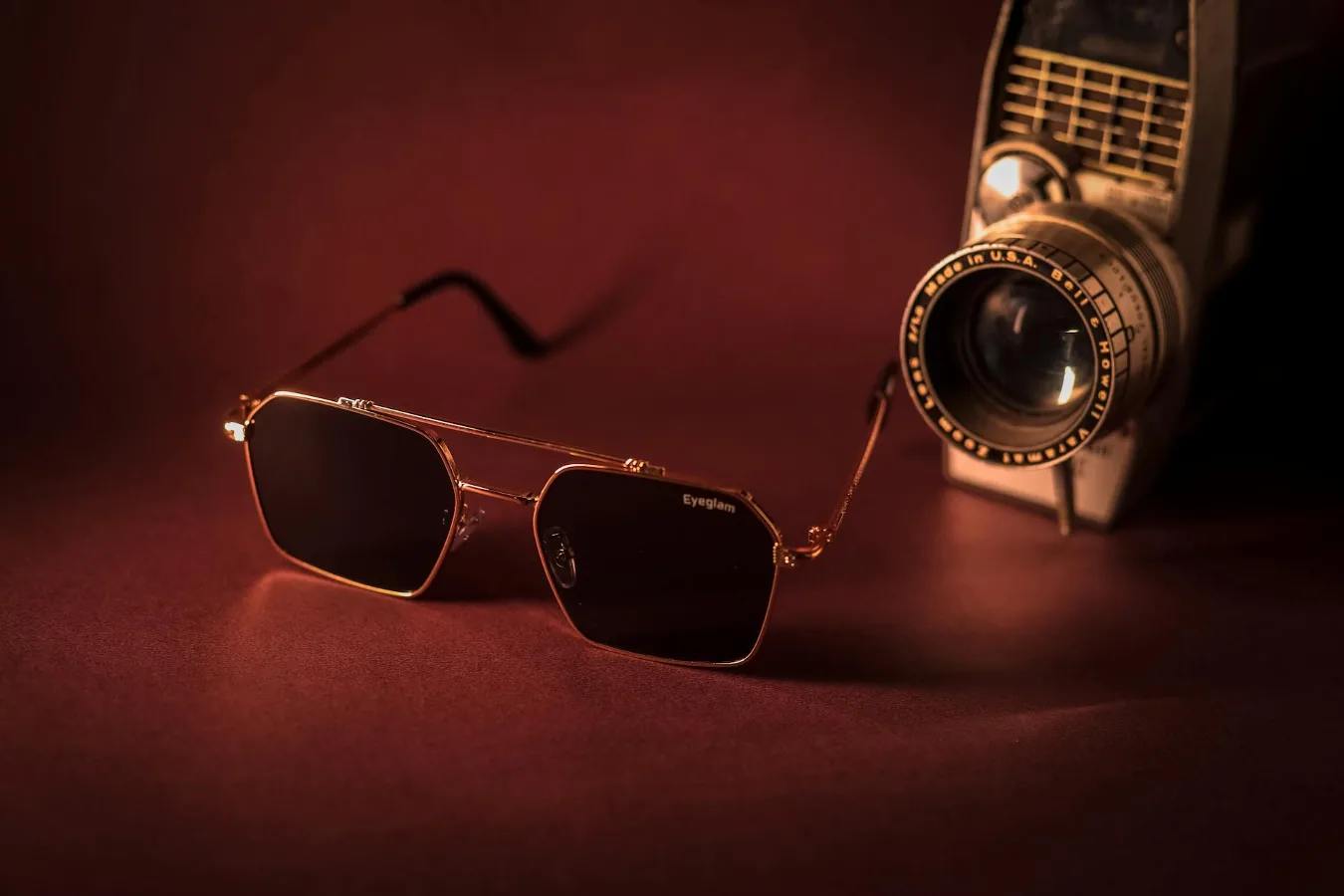
Gold sunglasses work best when they balance style and function. The color reads polished and warm, but the right pair still depends on the same practical factors as any other eyewear: frame shape, fit, lens quality, and how often you plan to wear them. Brown Sunglasses: How to Choose the Right Pair offers more detail on this point. aviator style sunglasses guide offers more detail on this point.
If you are shopping for gold sunglasses, the main decision is not just whether the frame looks good online. It is whether the metal finish, lens tint, and shape fit your face, your wardrobe, and the conditions you will actually wear them in. A pair that looks elegant can still be uncomfortable, too reflective, or hard to coordinate if you skip those basics.
Why gold sunglasses appeal in the first place
Gold frames tend to feel lighter visually than darker metal finishes. They can add definition without looking heavy, which is one reason they show up so often in aviator, round, geometric, and minimalist wire-frame styles. They also work across a wide range of outfits, from casual denim to sharper tailoring.
That versatility is the main advantage. Gold can read classic, vintage-inspired, or modern depending on the frame shape and lens color. A thin wire frame feels understated. A thicker metal frame feels more structured. A mirrored or tinted lens pushes the look toward fashion-forward styling.
The trade-off is that gold is not equally flattering in every finish. Bright yellow gold, brushed gold, and rose gold all give a different effect. Some finishes stand out beautifully on warm skin tones or with earthy clothing palettes, while others can feel too shiny or too muted depending on the rest of your look.
The first decision: choose the right frame shape
Frame shape does more for the overall result than the gold color itself. If the shape does not suit your face or style, the finish will not rescue it.
Aviators
Gold aviators are the most recognizable version of the look. They usually suit people who want a classic, easy-to-wear style with a little visual polish. The teardrop shape can feel relaxed and traditional, but it is also common enough that it may not stand out much if you want something more distinctive.
Round frames
Round gold sunglasses create a softer, more retro effect. They can work especially well when you want to soften angular features or lean into a vintage aesthetic. The limitation is that round frames can look less balanced on some face shapes if the lenses are very small or the bridge sits too high.
Square and rectangular frames
Gold square sunglasses feel more defined and modern. They can add structure to softer facial features and often work well if you want the metal finish without a delicate appearance. If the frame is too narrow, though, it can look pinched rather than intentional.
Cat-eye styles
Gold cat-eye sunglasses are a strong styling choice. They usually feel more fashion-driven than aviators or simple round frames. The upward angles can sharpen the face visually and create a more expressive silhouette. They are a good option if you want gold sunglasses that feel more dressed up.
Wire and rimless styles
Very thin gold frames can look elegant and minimal, but they are also the most dependent on good proportions and comfortable fit. Because they are visually subtle, issues like lens size, bridge fit, or temple length become more noticeable. They are best for buyers who prefer a clean, lightweight look rather than a bold fashion statement.
Lens choice matters more than many shoppers expect
People often focus on frame color first, then choose a lens almost as an afterthought. That is a mistake. Lens color changes how the sunglasses look, how much glare they reduce, and how easy they are to wear in different light. how to choose sunglasses frames offers more detail on this point.
Dark gray or smoke lenses are the most straightforward option if you want the gold frame to remain the main style feature. They usually preserve a classic look and reduce brightness without changing the world’s colors as much as some tinted lenses do.
Brown or amber lenses tend to complement gold frames well because the warm tones work together naturally. This pairing often feels softer and more cohesive than a high-contrast lens.
Green lenses give a traditional, slightly heritage feel. They can look especially balanced with gold aviators or other classic metal frames.
Mirrored lenses add visual impact, but they also make the sunglasses read more fashion-led. That can be appealing, though it may make the pair less versatile with everyday outfits.
Gradient lenses offer a middle ground. They can look elegant and practical, especially if you want sunglasses that feel comfortable in changing light. The upper portion helps with brightness, while the lighter lower portion makes it easier to see downward.
One overlooked point: lens tint is not only about style. Different tints can affect how clearly you see contrast, which matters for driving, walking in bright sun, or moving between indoor and outdoor settings. If you want a pair for varied daily use, a balanced tint often makes more sense than a purely decorative one.
Fit should come before fashion
Gold sunglasses are often bought for their appearance, but fit determines whether you wear them often or leave them in a case. The right fit should feel secure without pressure points at the nose, temples, or behind the ears.
Check these areas carefully:
- Bridge fit: The frame should sit stably without sliding down your nose or pinching too tightly.
- Temple length: The arms should reach comfortably without pressing into the sides of your head.
- Lens width: Lenses should be proportional to your face so the sunglasses do not look oversized or undersized.
- Weight: Lightweight metal frames often feel comfortable for long wear, but very thin frames can still become annoying if the fit is off.
One common misconception is that lightweight always means comfortable. A very light frame can still dig in if the bridge shape does not match your nose or if the nose pads are poorly placed. Comfort depends on geometry, not just weight.
Materials and build quality: what to look for
Gold sunglasses may use different metals or metal-like materials, and that affects both feel and durability. Some pairs have a plated finish, while others use materials chosen for lightness or corrosion resistance. The key is not the marketing label alone, but how the frame is made and how it is likely to age.
Look for solid construction at the hinges, nose pads, and temples. These are the areas where cheaper sunglasses often show wear first. If the frame feels flimsy when you open and close it, that is usually a warning sign for long-term reliability.
If you sweat often, travel frequently, or wear sunglasses outside for long stretches, consider how the finish may hold up over time. Gold finishes can look beautiful, but any plated surface can be more vulnerable to visible wear than a plain material with no decorative finish. That does not automatically make them a bad choice; it just means they benefit from careful handling and storage.
How to match gold sunglasses with your wardrobe
Gold sunglasses are adaptable, but they do not pair equally well with every style direction. Their strength is warmth and polish, so they often work best when the rest of the outfit has some visual balance.
With neutral clothing: Black, white, beige, navy, gray, and olive often pair easily with gold frames. The sunglasses add a little warmth without clashing.
With warm colors: Rust, camel, brown, cream, and tan can create a cohesive look, especially with brown, amber, or green lenses.
With bold color: Gold can either anchor the outfit or compete with it. If your clothing is already bright or patterned, a thin gold frame usually feels easier to style than a heavy, ornate one.
With jewelry: Gold sunglasses can coordinate naturally with gold jewelry, but matching everything too perfectly can feel rigid. A slightly different gold tone often looks more natural than an exact match.
For many shoppers, the most useful styling approach is to treat gold sunglasses as a bridge accessory. They can connect casual pieces with more elevated items, or soften a very dark outfit by adding a warmer element near the face.
Comfort, maintenance, and real-world use
Fashion sunglasses are often chosen quickly, but practical use exposes weaknesses fast. If you wear them regularly, think about upkeep as part of the purchase decision.
Metal frames can show fingerprints, and glossy gold finishes can highlight smudges. Lenses can also make the whole pair look tired if they scratch easily or collect marks quickly. A simple microfiber cloth and a protective case matter more than many shoppers realize.
Adjustability is another practical benefit. Nose pads can help fine-tune fit, especially on metal frames. If the sunglasses slide when you move, the issue may not be the frame style itself but the fit around the nose and ears.
Also consider where you will use them most:
- Daily commuting: Prioritize stable fit, reasonable lens darkness, and reliable glare reduction.
- Driving: Choose a tint that does not distort road colors or make shaded areas difficult to read.
- Travel and vacations: Pick a versatile shape that works with multiple outfits and can handle varied light conditions.
- Special occasions: A more decorative gold frame or fashion lens may make sense if comfort over long wear is less important.
Common mistakes people make when buying gold sunglasses
Several problems show up again and again when shoppers focus only on the frame color.
- Choosing a frame that is too trendy for their wardrobe: A dramatic gold style may look great in isolation but rarely get worn if it does not suit the rest of their clothes.
- Ignoring face proportions: A gold frame that is too large or too narrow can distort the overall balance of the face.
- Assuming all gold finishes look the same: Bright gold, muted gold, and rose gold create very different visual effects.
- Overlooking lens function: A stylish lens tint is not always the most practical one.
- Buying without considering comfort: Pressure points and slipping frames are among the fastest ways to make sunglasses sit unused.
A simple way to narrow your options
If you are choosing between several gold sunglasses, start with use case rather than style alone.
If you want a versatile everyday pair: Look for a balanced shape such as a refined aviator, a restrained square frame, or a thin round frame with a neutral lens.
If you want something more fashionable: Consider cat-eye shapes, mirrored lenses, or a more sculptural metal frame.
If comfort is the priority: Focus on bridge fit, nose pads, weight, and temple pressure before any other detail.
If wardrobe flexibility matters most: A medium-size gold frame with a smoke, brown, or green lens usually offers the easiest styling range.
That decision order helps prevent a common buying mistake: choosing the most attractive pair in the product photo rather than the one you will actually wear.
Where gold sunglasses fit within the larger accessories picture
Gold sunglasses work well as part of a broader accessories strategy because they often sit near the face and influence the entire outfit. A thoughtful pair can connect with watches, jewelry, belts, handbags, and even shoe hardware. But they should still be treated as functional eyewear first.
If you are building a coordinated accessories wardrobe, it helps to think in terms of balance rather than perfect matching. Gold sunglasses can be the subtle accent that pulls an outfit together, or they can be the statement piece that sets the tone. The best choice is the one that fits your routine, your face, and your style habits without creating extra friction.
For most buyers, that means looking past the finish alone and weighing the practical details that determine long-term wear. Gold sunglasses are strongest when they feel easy, not forced.