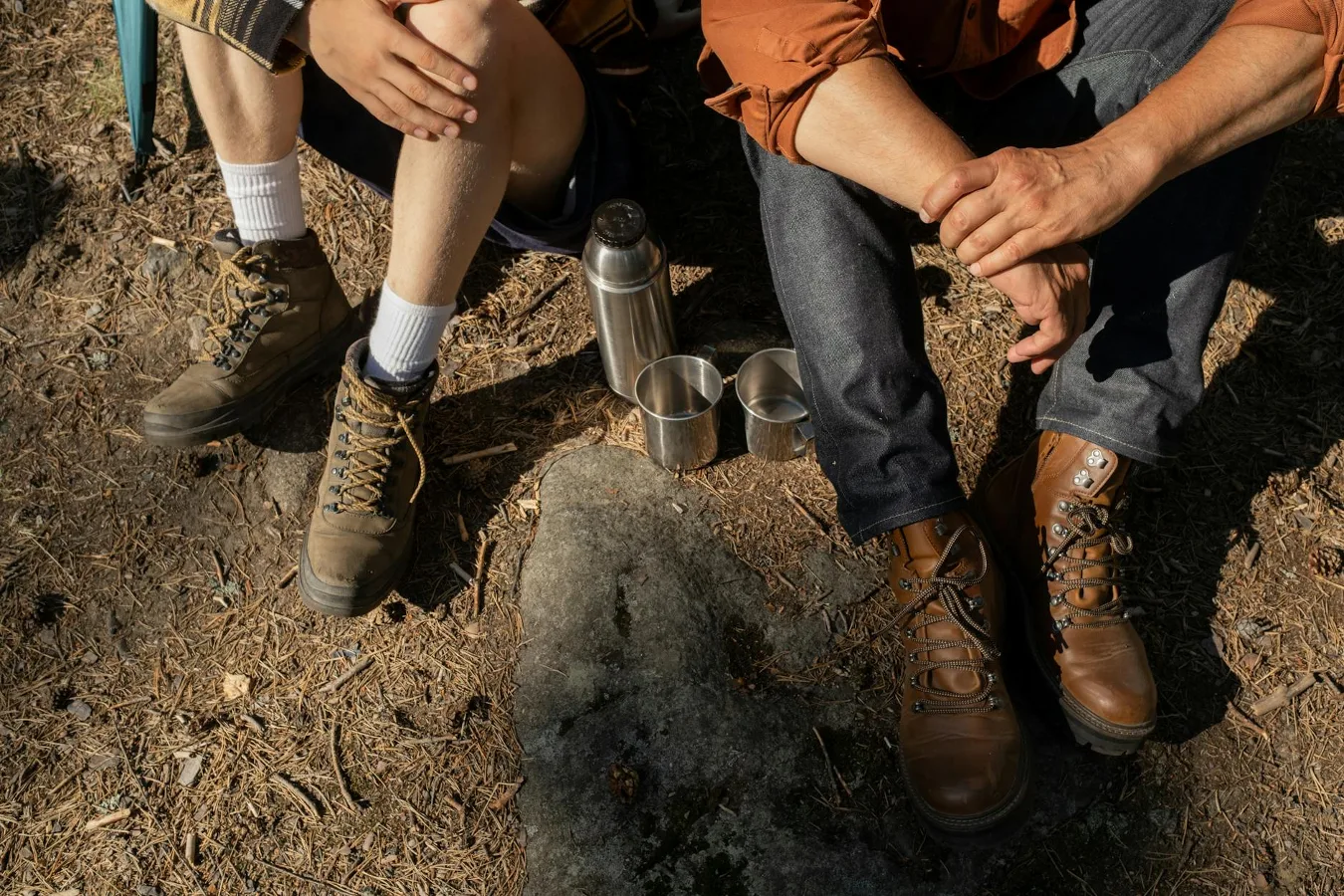
Quick answer: what steel toe hiking boots are best for
Steel toe hiking boots make sense when you need toe protection plus the stability, traction, and ankle support of a hiking-style boot. They are most useful for people who move between outdoor terrain and work environments, especially where dropped objects, uneven ground, or rough surfaces are a concern.
The right pair is not just about the steel cap. Fit, outsole grip, upper material, waterproofing, breathability, and overall weight can matter just as much. A boot that protects well but feels clumsy on a trail, or one that feels light but rubs after an hour, is usually a poor buy. For many shoppers, the best choice is the boot that balances protection with the way it will actually be worn: on job sites, access roads, muddy paths, or long walks outdoors.
How steel toe hiking boots compare
Steel toe hiking boots sit between two categories: safety footwear and outdoor boots. That middle ground is useful, but it also brings trade-offs. They can offer a tougher build than typical hiking boots, yet they are often less agile and sometimes heavier than non-safety trail footwear.
| What matters | Why it matters | What to look for |
|---|---|---|
| Toe protection | Helps protect against impact and compression in work or mixed-use settings | Steel toe cap, plus enough internal room for the foot to sit naturally |
| Weight | Affects fatigue over long wear | A boot that feels stable without feeling overly bulky |
| Traction | Important on dirt, gravel, wet surfaces, and uneven ground | Lugged outsole with tread suited to your terrain |
| Fit | Determines comfort and long-term wearability | Secure heel hold, toe room, and no hot spots at the instep |
| Upper material | Influences durability, breathability, and maintenance | Leather, synthetic blends, or mixed materials based on use |
| Weather handling | Matters in rain, mud, snow, or heat | Water resistance, breathability, or insulation matched to conditions |
A common misconception is that steel toe hiking boots are automatically the best choice for outdoor work. Sometimes they are, but not always. If the job involves a lot of walking, climbing, or warm-weather wear, the extra mass of a steel toe can become noticeable. In those cases, some shoppers compare them with composite toe boots or lighter non-safety hiking boots used only where protection is not required. light hiking boots offers more detail on this point. best hiking boots for outdoor work offers more detail on this point.
What to compare before buying
1. Fit comes first
Protection is pointless if the boot fits poorly. Steel toe caps can make the front of the boot feel different from a standard hiking boot, so there is less room for error. You want enough toe space to avoid pressure, especially on descents, but not so much room that the foot slides forward.
Look closely at heel hold and arch feel, too. If your heel lifts too much, blisters become more likely. If the boot feels tight across the midfoot, it may feel worse after a full day than it does in the store. When possible, try boots on later in the day and with the socks you actually plan to wear.
2. Weight affects fatigue more than many buyers expect
Steel toe hiking boots are usually chosen for protection, but their weight can change how they feel over hours of wear. That matters if you cover long distances, climb often, or work on uneven ground. A heavier boot may feel reassuring at first, yet it can become tiring when repeated steps, ladders, or steep trails are part of the day. how to choose work boots for trails offers more detail on this point.
This is one reason some buyers consider composite toe options. Composite materials may feel lighter and are not conductive in the same way steel can be, but they are not the right answer for every user. The best option depends on your environment, required protection, and comfort priorities.
3. Traction should match the terrain
Hiking-style tread is one of the reasons people look at this category in the first place. Still, not every lug pattern performs the same way. Deep lugs can help on dirt, gravel, and mud, but they may not feel as stable on smooth indoor floors or slick jobsite surfaces. If you move between surfaces, you need a tread that is versatile rather than extreme.
Pay attention to outsole rubber and tread pattern, not just the marketing language around grip. A boot built for rocky paths may not be ideal on oily concrete, and a work-oriented outsole may not feel as secure on loose trails.
4. Upper material changes comfort and upkeep
Leather uppers often bring durability and a more substantial feel, while synthetic materials may reduce weight and dry faster. Some boots use blended construction to balance toughness with flexibility. The right choice depends on the kind of wear the boots will see and how much maintenance you are willing to do.
Leather usually needs more care if you want to preserve water resistance and prevent drying or cracking. Synthetic materials can be easier to clean, but they may not age the same way. If your boots will see mud, wet grass, and frequent cleanup, think about how much time you want to spend on care after each outing.
5. Waterproofing is useful, but it has limits
Water-resistant or waterproof boots can be very helpful for damp trails and wet work areas, but they are not a cure-all. A waterproof membrane may keep water out longer, yet it can also affect breathability. In warm weather, that can mean hotter feet, especially if the boot is already heavy.
If you often hike in dry conditions, breathable construction may be more comfortable than full waterproofing. If you regularly face mud, rain, snowmelt, or wet grass, waterproofing may be worth the trade-off. The key is choosing for your actual conditions rather than assuming more protection is always better.
6. Ankle support is useful, but stiffness has a cost
Hiking-style boots are often chosen for extra ankle coverage, especially on uneven ground. That support can feel reassuring when carrying loads or moving over rocks and roots. But a stiffer collar and midsole can also reduce flexibility, which some buyers dislike on longer walks or while bending and crouching.
If your use case is mostly flat ground with occasional rough sections, an overly stiff boot may be unnecessary. If you travel through loose gravel, uneven cut paths, or work areas with debris, added structure can be valuable.
When steel toe hiking boots make sense
These boots are a strong fit for people who need a single pair for mixed environments. They are commonly considered for landscape work, utility work, property maintenance, outdoor inspections, and similar roles where safety and mobility both matter.
They can also be useful for recreational users who spend time around equipment, campsites, or rough property where toe protection is welcome. That said, if your main activity is traditional hiking and safety protection is not required, a standard hiking boot may be lighter, more flexible, and easier to wear all day.
Common drawbacks to expect
The biggest trade-off is comfort versus protection. Steel toe hiking boots tend to feel sturdier, but that added structure can make them less nimble. For some wearers, the boot feels great at first and less pleasant after the first long day.
Another limitation is breathability. The combination of protective toe design, heavier materials, and waterproof membranes can trap heat. If you work or hike in hot weather, that can become a real comfort issue. Sizing also matters more than many buyers realize, since a protective toe box leaves less room for sloppy fit.
Finally, steel toe protection is not the same as full boot protection. It helps with impact and compression at the toe, but it does not replace the need for traction, ankle support, or a suitable outsole for the surface you are on.
Mistakes to avoid
- Buying by protection alone: A steel toe does not make a boot comfortable, stable, or appropriate for your terrain.
- Ignoring toe room: Too little space can create pressure on descents or after a long day of swelling.
- Choosing the wrong tread: Heavy lugs are not ideal for every surface, especially if you spend time on smooth indoor flooring.
- Overlooking sock choice: Boot fit changes with sock thickness, so test with the socks you actually use.
- Assuming waterproof is always better: Water protection can come with reduced airflow and more heat retention.
- Forgetting about break-in: Some boots need time to soften and adapt, which matters if you need comfort immediately.
Steel toe vs. composite toe vs. standard hiking boots
If you are comparing categories, the decision usually comes down to the kind of protection you need and how much weight you are willing to carry.
- Steel toe hiking boots: Best when impact protection is a priority and the boot will be used in mixed outdoor and work settings.
- Composite toe boots: Often considered when lighter weight or non-metal construction is preferred, depending on workplace rules and conditions.
- Standard hiking boots: Better for pure hiking when safety toe protection is not necessary and comfort over distance matters most.
A practical way to think about it: if you would choose safety first, look at steel toe or composite toe options. If you would choose comfort first and protection is optional, a regular hiking boot is usually the more natural fit.
Who should skip this category
Steel toe hiking boots are not ideal for everyone. If you mostly hike for recreation, especially on well-maintained trails, the extra weight and reduced flexibility may not be worth it. If you need a very warm-weather-friendly boot, the protective build may feel too hot. And if you work in environments where non-metallic footwear is preferred or required, a steel toe may not be the right match.
Shoppers who want a versatile outdoor boot without workplace safety requirements should also compare lighter hiking boots, trail shoes, or work-toe alternatives before deciding. The best boot is not always the most protective one; it is the one that fits the actual use case without excess compromise.
How to make a smarter purchase
Start with your environment. Think about the ground you walk on, the weather you face, how long you stay on your feet, and whether the boot will be worn for work, recreation, or both. Then narrow the field by fit, weight, and traction before worrying about styling or brand details.
If you are torn between several options, choose the pair that solves the hardest part of your day. For some buyers that means better waterproofing. For others it means a lighter build, a roomier toe box, or a more aggressive outsole. A steel toe is only one part of the equation, and usually not the one that determines day-to-day comfort.
The best steel toe hiking boots are the ones that feel secure, predictable, and appropriate for your real conditions. If a boot looks rugged but does not move well with your foot, it is probably the wrong choice. If it feels comfortable but leaves you underprotected for the environment you work in, that is a problem too. Balance is the point of this category.