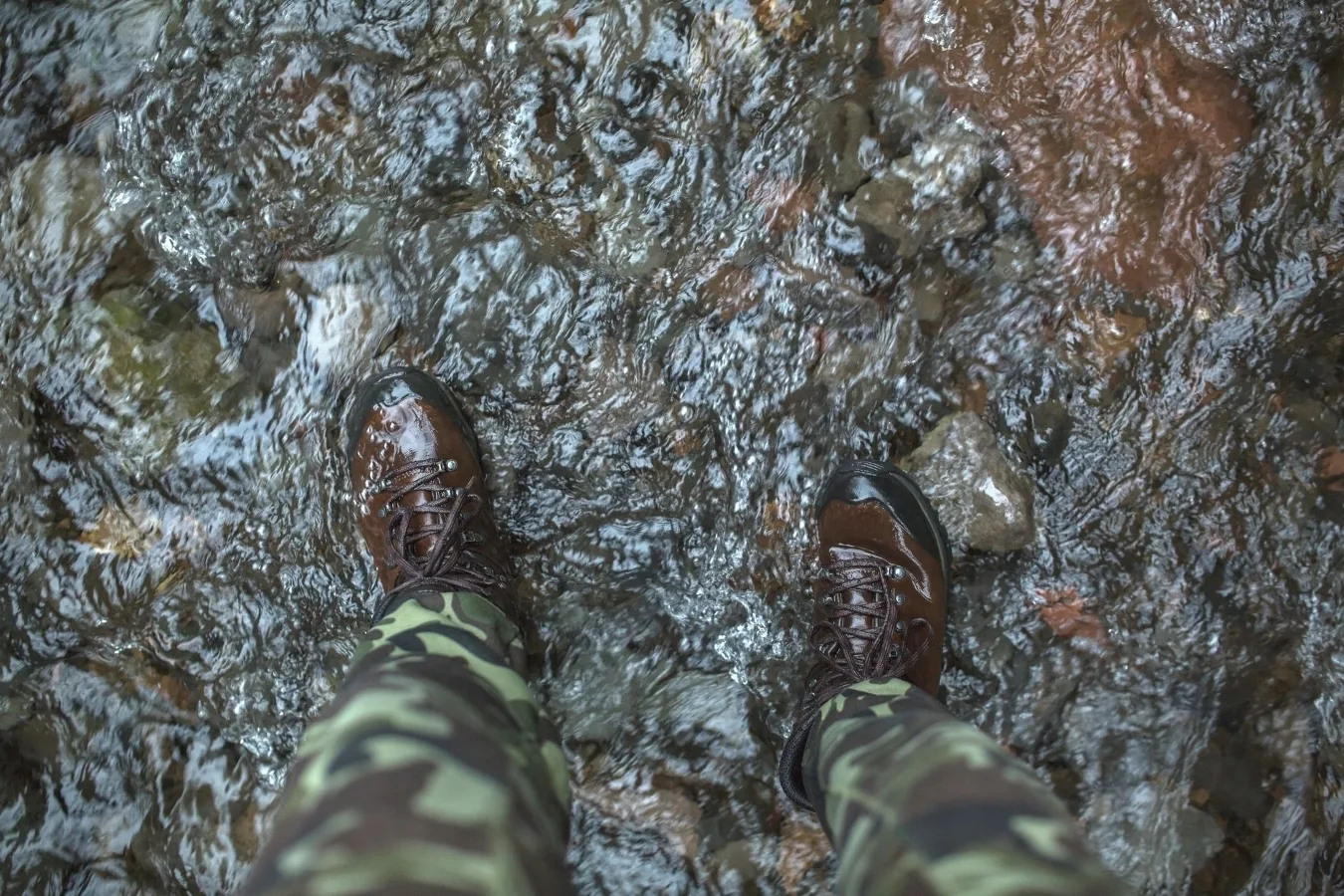
If you’re looking at Zamberlan hiking boots, you’re probably comparing more than style or brand name. These boots are generally sought out by hikers who want a sturdier, more technical option than a lightweight trail shoe, with a focus on support, protection, and terrain-specific performance. heliot emil hiking boots offers more detail on this point.
The right Zamberlan model depends on how and where you hike. That matters because the line often appeals to people choosing between leather durability, weather protection, ankle support, and all-day comfort on uneven ground. If your hikes are mostly flat, well-maintained, and short, a lighter alternative may make more sense. If you spend more time on rocky paths, steep grades, or loaded backpacking trips, the extra structure can be worth the trade-offs.
Quick answer: who Zamberlan hiking boots are for
Zamberlan hiking boots are best for hikers who want a more protective boot with a traditional outdoor feel. They tend to suit people who prioritize stability, traction, and durability over ultra-lightweight flexibility. That makes them a strong fit for rugged day hikes, mountain trails, and backpacking routes where foot protection matters.
They are not automatically the best choice for everyone. A heavier, more structured boot can feel unnecessary on easy trails, and some hikers prefer the quicker break-in and lighter step of synthetic low-cut footwear. The best decision comes down to terrain, pack weight, climate, and how much support you actually need.
How to evaluate Zamberlan hiking boots before buying
Because the brand offers boots for different hiking styles, the smartest approach is to match the boot to the job. Instead of starting with a specific model name, start with the conditions you expect to face most often.
Fit and last shape
Fit is the first thing to get right. With hiking boots, small differences in heel hold, toe room, and midfoot volume can change how they feel after several miles. Some hikers want a snug, locked-in feel for technical terrain. Others need a roomier forefoot for swelling on longer outings or for thicker hiking socks. how to choose the right boot size offers more detail on this point.
A common mistake is assuming a boot that feels fine standing still will still feel fine on a descent. Downhill pressure can push the toes forward, so the boot should provide enough length and forefoot space without letting the heel lift excessively. If you have a narrow heel, high arch, or wide forefoot, those details matter more than the logo on the tongue.
Materials and weather protection
Zamberlan hiking boots often appeal to buyers who value leather construction and a more traditional build. Leather can offer a supportive feel and good abrasion resistance, but it also tends to require more care than many synthetic shoes. For hikers in wet or muddy conditions, weather protection is a major consideration, but no boot is a substitute for choosing the right socks, managing moisture, and understanding the limits of waterproof footwear.
Waterproof boots can be useful in rain, wet grass, or shoulder-season hiking. The trade-off is that waterproof membranes can reduce breathability, which may matter on hot summer trails or for hikers whose feet run warm. If you hike mainly in dry climates, a less insulated, more breathable setup may be more comfortable.
Support and stiffness
Support is one of the biggest reasons people look at this category in the first place. A more structured boot can help on loose rock, sidehills, and uneven surfaces where foot placement is constantly changing. It can also feel more reassuring under a heavier pack.
That said, more support usually means less flexibility. If you like a natural walking feel, or if your trails are smooth enough that you rarely need a rigid platform, that stiffness can become a downside. Support should match the terrain, not just the idea of “better boots.”
Outsole and traction
For hiking boots, outsole design is not a detail to overlook. Lug pattern, rubber compound, and sole shape all affect traction on dirt, gravel, rock, mud, and wet logs. A deeper, more aggressive lug pattern can help on loose terrain, while flatter contact zones may feel steadier on rock.
If your hikes include mixed conditions, look for a balance rather than the most aggressive tread available. Very deep lugs can collect mud, while a flatter outsole may lose confidence in soft ground. The best traction setup depends on where you actually hike, not just the most rugged-looking sole.
Weight and hiking style
Boot weight influences how a pair feels after the first mile and the tenth mile. Heavier boots often bring more structure and protection, but they can also make fast hiking feel less efficient. That matters if you move quickly, cover longer distances, or hike in warm weather.
If you are comparing Zamberlan hiking boots to lighter trail footwear, decide whether the added protection is worth the extra effort. For off-trail travel, alpine approaches, or rocky backpacking routes, many hikers accept the weight trade-off. For casual walks and gentle trails, less boot may be the better call.
Where Zamberlan boots tend to make the most sense
Different hikers will find different strengths in the brand. The following use cases are where these boots often make the most sense as a category.
- Rocky terrain: A sturdier boot can help protect feet from sharp rock and repeated impacts.
- Mountain day hikes: Support and stability matter more when the grade is steep or the trail is uneven.
- Backpacking: A boot with a more substantial platform may feel more confidence-inspiring under load.
- Wet shoulder-season hiking: Weather protection can be useful when trails are damp, cold, or unpredictable.
- Hikers who prefer leather: Some buyers want the feel, longevity potential, and structure that leather boots often provide.
These same strengths can be overkill for easy park paths, hot-weather walks, or travelers who want one shoe to do everything. The best boot is the one that matches your routine, not the one with the most impressive build on paper.
Common mistakes buyers make
One of the biggest mistakes is shopping for a boot based only on reputation for toughness. A durable boot that does not fit well will still cause trouble. Hot spots, heel slip, and toe bang are more likely to matter on the trail than any label claim.
Another common misunderstanding is treating waterproofing as a universal upgrade. Waterproof boots are useful in some conditions, but they can be less breathable and may feel stuffier in warm weather. If you hike in hot, dry climates for much of the year, that trade-off deserves attention.
Buyers also sometimes overlook the break-in period. Even well-made boots can feel stiff at first, especially if they use leather or a more supportive construction. Rushing into a long trip without enough wear time is a classic way to turn a good purchase into a painful one.
Finally, some hikers choose a model that is more boot than they need. Extra height, stiffness, and protection are not free benefits. They can reduce ground feel, increase fatigue, and feel cumbersome on simple trails. The right boot should solve a problem, not create a new one.
Alternatives worth considering
Zamberlan hiking boots are not the only smart option in the outdoor footwear space, and in some situations they may not be the most practical. Depending on your priorities, you might be better served by one of these alternatives:
- Trail runners: A lighter choice for hikers who value speed, breathability, and lower overall weight.
- Mid-cut hiking shoes: A middle ground for people who want some ankle coverage without a full boot feel.
- Other leather hiking boots: Useful if you like the general category but want to compare lasts, stiffness, or fit shapes.
- Insulated winter boots: Better for cold, snowy conditions where warmth matters more than summer versatility.
The key is not to force a boot into a role it was not meant to fill. A more technical hiking boot can be excellent in the right setting and inefficient in the wrong one.
Care and long-term ownership
Boot care matters more with leather-heavy hiking footwear than with many light synthetic shoes. Dirt, moisture, and neglect can shorten the useful life of even a well-made boot, especially if the materials need periodic cleaning or conditioning.
Before buying, consider whether you’re willing to maintain them. That may include cleaning off mud after hikes, letting them dry properly, and using the appropriate care products for the upper material. Storage also matters: boots last longer when they are kept dry, out of direct heat, and not left compressed in a damp gear bag.
If you want footwear that requires minimal attention, a simpler synthetic trail shoe may fit your routine better. If you don’t mind regular care, a sturdier boot can be a worthwhile long-term purchase.
How to choose the right Zamberlan model for your needs
Since the brand covers different use cases, the best way to narrow down a model is to think in terms of priorities rather than hype.
- Start with terrain: rocky, muddy, steep, mixed, or mostly groomed trails.
- Match the support level: lighter for easier hikes, more structured for rougher ground or heavy packs.
- Decide on waterproofing: useful for wet climates, less appealing if breathability is the main goal.
- Check the fit shape: heel lock, toe space, and forefoot volume matter more than broad size labels.
- Think about care: leather and tougher constructions usually reward attention over time.
This is the part many shoppers skip. They focus on the most rugged model, then realize that their actual hiking life is more about weekend walks, travel, or moderate trails. The right choice usually becomes obvious once the use case is clear.
What makes Zamberlan different for outdoor shoppers
For many buyers, the appeal is a combination of traditional materials, technical build quality, and a more serious hiking orientation. That combination can be attractive if you want a boot that feels purpose-built rather than fashion-led.
At the same time, a more technical boot can feel less forgiving than a casual hiking shoe. If you value instant comfort, low maintenance, or an airy step, the category may feel more demanding. That is not a flaw; it is part of the design trade-off.
The best commercial question is not “Are Zamberlan hiking boots good?” but “Are they good for the kind of hiking I actually do?” If the answer is rugged terrain, supportive structure, and long-term use, they deserve a serious look. If your trails are easy and your priorities are lightness and simplicity, another category may be smarter. best hiking boots for rocky terrain offers more detail on this point.
For shoppers building out their outdoor gear around this kind of footwear, it also helps to compare related topics such as hiking boot fit, waterproof construction, leather care, and traction patterns. Those details often matter more than brand familiarity when you’re deciding what belongs in your pack or on your feet.