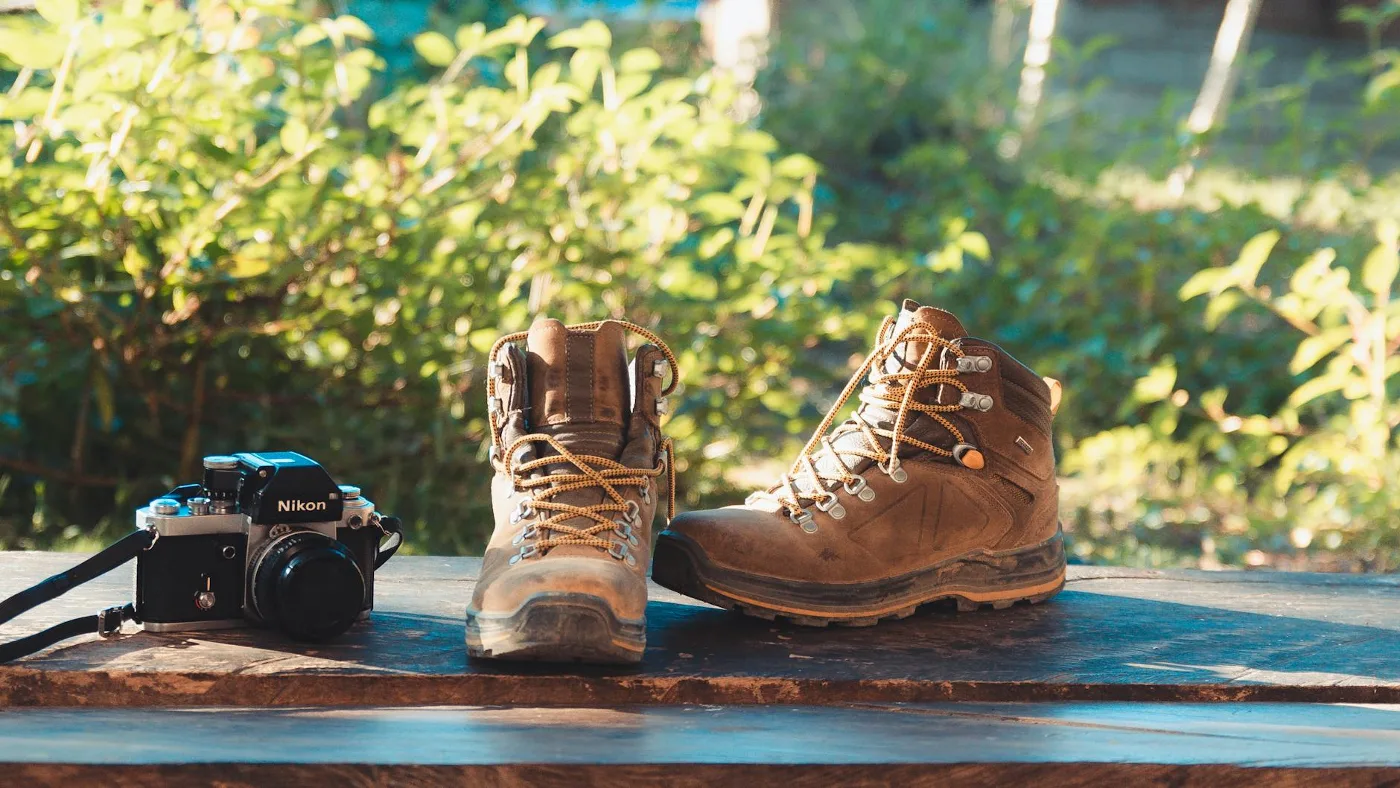
Light hiking boots are best thought of as a middle-ground option: sturdier than trail shoes, less bulky than traditional backpacking boots, and often easier to wear for long days on mixed terrain. If you want a pair for day hikes, weekend trails, travel, or light loads, they can be a smart buy. bargain hiking boots offers more detail on this point. trail shoes versus boots offers more detail on this point.
The catch is that “light” can mean different things depending on the brand and build. Some boots lean more toward flexibility and comfort, while others still feel structured enough to handle rocky paths, mud, or uneven ground. The right choice depends less on the label and more on fit, support, traction, and the kind of hiking you actually do.
Quick answer: who light hiking boots are for
Light hiking boots make sense if you want more protection than a trail shoe but do not need the stiffness, height, or weight of a traditional hiking boot. They are usually a good match for day hikers, casual weekend hikers, travelers who want one pair of versatile outdoor shoes, and people carrying light to moderate packs on well-established trails.
They are less ideal if you regularly hike with heavy loads, spend a lot of time on very rough terrain, or want maximum ankle structure. In those cases, a more supportive boot may be a better fit. The key decision is not whether light hiking boots are “good” in general, but whether their balance of comfort and protection fits your trail conditions and walking style.
What makes light hiking boots different
Compared with heavier hiking boots, light hiking boots usually aim for lower overall weight, easier break-in, and a more flexible feel underfoot. Compared with trail shoes, they often offer more coverage, a slightly more structured upper, and a stronger sense of protection around rocks, roots, and loose gravel.
That middle position is exactly why they are so popular. Many hikers want something that feels nimble on flat stretches but still gives confidence when the trail turns uneven. For that reason, the best light hiking boots often feel more like comfortable outdoor footwear than old-school mountaineering gear. how to choose hiking footwear offers more detail on this point.
Common features you may see
- Mid or low-cut designs, depending on the model
- Lightweight midsoles for cushioning
- Outsoles built for trail grip and varied surfaces
- Mesh, leather, suede, or synthetic uppers
- Optional waterproof membranes
- Room for hiking socks and foot swelling on longer walks
Not every pair includes all of these features, and that is part of the decision. Extra protection often adds warmth, weight, or break-in time. More breathable models can feel better in hot weather but may sacrifice wet-weather comfort.
How to compare light hiking boots before buying
The best way to judge a pair is to match the boot to your use case, not to a generic “best hiking boot” label. A boot that works beautifully for dry, mild trails may feel like the wrong choice in humid weather, on muddy paths, or on steep descents.
1. Fit and toe room
Fit matters more than almost any other feature. A light hiking boot that feels stylish or promising on paper will still disappoint if the toe box is too narrow, the heel slips, or the arch placement does not line up with your foot.
Look for enough room to wiggle your toes, a secure heel hold, and a forefoot that does not pinch when you walk downhill. If your feet swell on hikes, a snug everyday fit can become uncomfortable after a few miles. Try boots with the socks you actually plan to wear on the trail.
2. Support level
Support is one of the most misunderstood parts of hiking footwear. A higher cuff does not automatically make a boot better for everyone. Some hikers only need light support for stability on uneven ground, while others want more structure because of pack weight, weak ankles, or repeated off-camber terrain.
Light hiking boots usually provide enough support for moderate use, but they should not be expected to compensate for a poor fit or replace the need for careful foot placement. If you need significant stability, the boot’s midsole and heel hold may matter more than cuff height alone.
3. Traction and outsole design
Trail grip depends on more than branding. Lug pattern, rubber compound, and flex all affect how a boot handles dirt, rock, and wet surfaces. A boot can feel comfortable in a store and still be underwhelming on slick stone or loose shale.
Think about your trails. Packed dirt and dry gravel do not demand the same outsole as muddy paths, rooty forest trails, or frequent rock scrambles. For mixed use, a reliable all-around outsole is usually more useful than a highly specialized one.
4. Waterproofing versus breathability
Waterproof boots can be valuable in wet climates, early mornings, or shoulder-season hikes, but they are not automatically the best choice. Waterproof membranes can trap more heat, dry more slowly if water gets inside, and feel less airy in warm weather.
Breathable non-waterproof boots often make more sense for hot, dry conditions or hikers who prioritize cooling and quick drying. The practical question is whether you spend more time avoiding water or drying out after it gets in.
5. Weight and fatigue
Light hiking boots are appealing because less weight on your feet can make walking feel easier over time. That does not mean the lightest boot is always best. A very light boot that lacks support or durability may create other problems later.
The smarter approach is to look for a pair that feels easy to move in without feeling flimsy. A boot that reduces fatigue and still gives confidence on uneven ground usually offers the best real-world value.
Light hiking boots versus trail shoes and heavier boots
Many shoppers compare light hiking boots to trail shoes because the overlap is large. Both can work for day hikes, and both can be comfortable. The difference usually comes down to protection, structure, and the conditions you expect to face.
| Option | Best for | Trade-offs |
|---|---|---|
| Trail shoes | Fast hikes, hot weather, lighter loads | Less coverage and protection |
| Light hiking boots | Mixed terrain, moderate support, versatile use | Can be warmer or heavier than shoes |
| Traditional hiking boots | Rough terrain, heavier packs, more structure | Bulkier, often less comfortable for casual use |
If you mostly hike well-maintained trails, trail shoes may be enough. If you want more confidence around rocks, roots, brush, or light rain without stepping up to a full boot, light hiking boots are often the sweet spot.
Common mistakes shoppers make
One common mistake is choosing too much boot for the job. Many hikers buy a heavier model thinking more structure automatically means better performance, then discover that it feels stiff, warm, and unnecessary on their usual trails.
The opposite mistake is buying for looks or “lightness” alone. A boot that is airy and flexible but poor in the heel or too narrow in the forefoot can become distracting very quickly. The point is to buy for comfort and use, not for a spec-sheet win.
Another overlooked issue is sock choice. Hiking socks affect fit, friction, and temperature regulation. A boot that seems just right with thin socks may feel cramped with cushioned hiking socks, especially after your feet swell on a longer outing.
People also underestimate how terrain changes the equation. A boot that feels great on packed dirt may not give the same confidence on loose descents, wet roots, or uneven stone. If your local trails vary a lot, prioritize a balanced design rather than a highly specialized one.
Materials and construction: what actually matters
Uppers usually come in leather, suede, mesh, or synthetic blends, and each has trade-offs. Leather and suede often feel more durable and structured, while mesh and synthetics tend to breathe better and dry faster. Blended builds can offer a useful compromise.
The midsole affects underfoot comfort and stability. Softer cushioning can feel pleasant on easy walks, but too much softness may reduce precision on uneven ground. Firmer midsoles can feel more controlled, especially when hiking on rocks or carrying a pack.
The outsole is the part that interacts most directly with the trail, but the upper still matters because it shapes fit, protection, and temperature. A well-built upper can help the boot hold its shape over time, while a poorly designed one can stretch, rub, or lose structure too quickly.
Who should probably skip light hiking boots
Light hiking boots are not the universal answer some product pages make them out to be. If you regularly carry heavier packs, hike in snow, need rigid ankle support, or spend a lot of time on technical terrain, a more substantial boot may be the safer and more comfortable choice.
They may also be less appealing if you primarily want a shoe for fast movement or very warm weather. In those settings, a trail shoe or hiking sandal, depending on the route and conditions, may suit you better.
How to narrow your options quickly
If you are comparing several pairs, use a simple filter: start with fit, then think about weather, terrain, and load. A boot that scores well in one area but fails in the others is usually not the right long-term choice.
- Choose more support if your trails are uneven or your pack is not especially light.
- Choose more breathability if you hike in warm weather or dry climates.
- Choose waterproofing if wet grass, drizzle, or puddles are common.
- Choose a roomier toe box if your feet swell or you hike downhill often.
- Choose a more flexible boot if you want comfort for casual walking and travel.
A useful rule of thumb is to buy the least boot you need, not the most boot you can justify. That keeps comfort high and reduces the chance of ending up with an overbuilt pair that you rarely want to wear.
A sensible buying mindset
Light hiking boots are at their best when they solve a specific problem: you want trail-ready grip, a bit more protection than a sneaker, and enough comfort to wear them for hours. They are not usually the best answer for every hike, but they are often one of the most practical choices for everyday outdoor use.
If you focus on fit, terrain, climate, and the kind of pack you carry, the decision becomes much clearer. The right pair should feel stable without feeling restrictive, protective without feeling heavy, and comfortable enough that you do not think about them after the first mile.