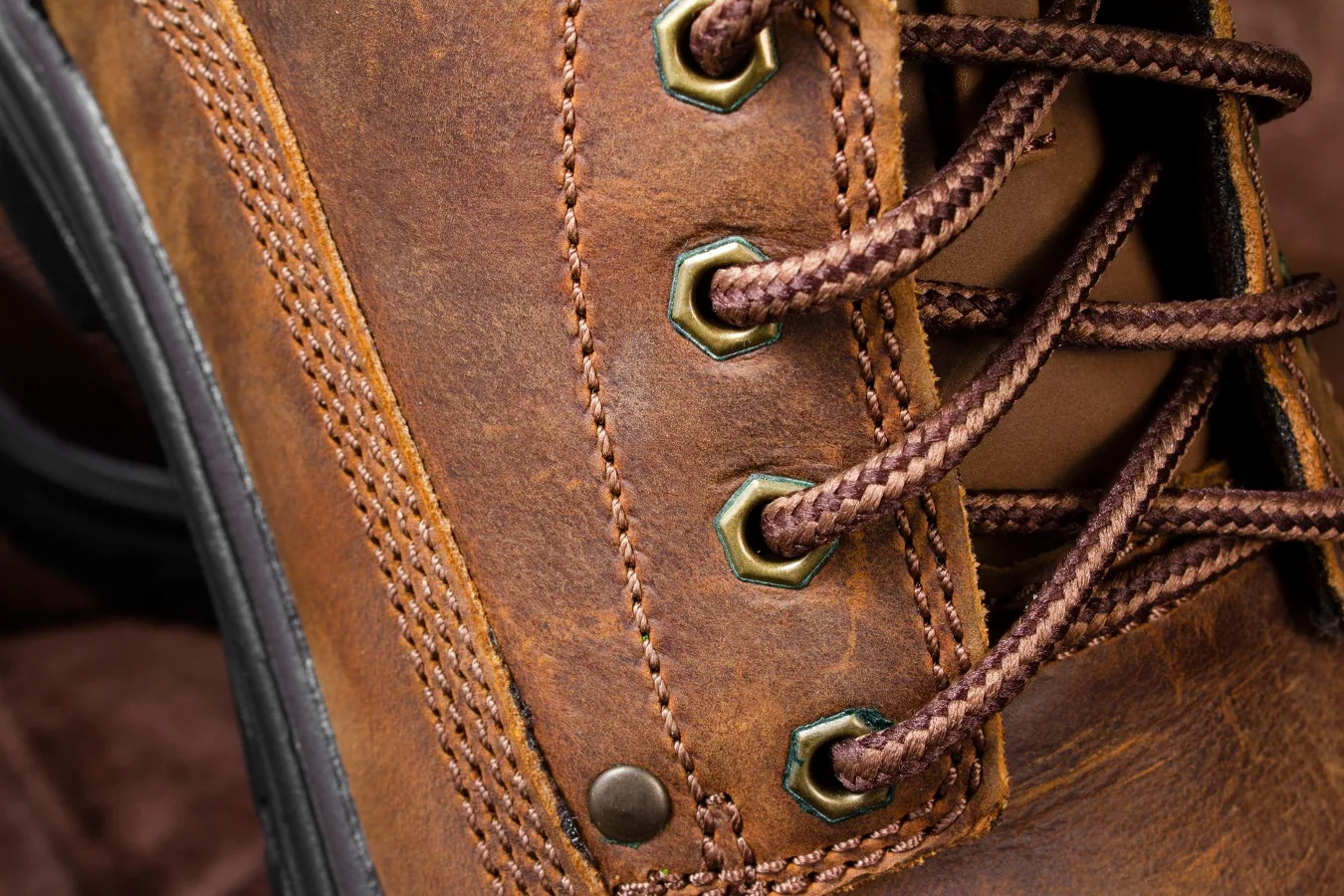
Why men’s leather hiking boots still matter
Men’s leather hiking boots remain a strong choice for hikers who want structure, protection, and a more substantial feel underfoot. They are not the lightest option on the shelf, and they are not always the easiest to break in, but they can be a practical buy for people who value support on uneven ground, better durability over time, and a boot that can handle more than a single narrow use case. brown hiking boots offers more detail on this point.
If you are comparing options for day hikes, travel, or longer outings with a loaded pack, leather often enters the conversation for a reason. The material can hold up well in rough conditions, and the boot shape typically offers more stability than many low-cut hiking shoes. That said, the right pair depends on more than leather alone. Fit, sole design, ankle height, lining, and maintenance all matter just as much.
The common mistake is assuming that “leather” automatically means “better.” A well-made synthetic boot may suit a humid climate, a fast-paced hiker, or someone who prioritizes quick drying. Leather boots make the most sense when you want a balance of support, abrasion resistance, and long-term value, and you are willing to care for them properly.
The main factors that should guide your choice
Fit comes before everything else
A leather boot can only perform well if it fits correctly. The most durable upper in the world will not help if your heel slips, your toes hit the front on descents, or the forefoot feels cramped after an hour on the trail. Fit is especially important with leather because many leather boots feel firmer at first and change slightly as they break in.
Look for a secure heel, enough toe room for downhill movement, and a midfoot that feels held without pressure points. If you regularly wear thicker hiking socks, try boots on with them. If your feet are wider than average, pay attention to width options instead of hoping the leather will simply stretch enough to solve the issue. how to choose hiking boots for your terrain offers more detail on this point.
Leather type changes the experience
Not all leather hiking boots behave the same way. Full-grain leather is usually associated with a sturdier feel and strong abrasion resistance. Suede and split-leather designs can feel lighter or more flexible, though they may also need different care and may not deliver the same rugged character. Many hiking boots combine leather with textile panels, which can reduce weight and improve breathability while still keeping the boot grounded in a traditional hiking-boot format. full-grain vs suede hiking boots offers more detail on this point.
For shoppers, the key question is not which leather sounds best on paper, but which construction fits the way you hike. If you spend more time on rocky paths, brush-heavy trails, or mixed terrain, a tougher leather build may be worth the added weight and break-in time. If your hikes are shorter and less demanding, a lighter hybrid design may be the better everyday answer.
Sole and tread matter as much as the upper
The outsole determines how the boot feels on wet rock, loose dirt, roots, gravel, and packed trail. Deep lugs can improve bite in softer terrain, while flatter or more closely spaced tread patterns may feel more comfortable on hard ground and around town. There is no single best outsole for every hiker, which is why trail type should guide the decision.
A boot with excellent leather construction but mediocre traction may disappoint in real use. Likewise, aggressive tread that feels perfect in mud may feel clumsy on pavement or during travel. Matching the sole to your most common terrain is more useful than chasing the most rugged-looking pattern.
Ankle support is helpful, but not universal
Many people look at leather hiking boots because they want ankle coverage. That can be valuable on uneven trails, especially if you carry a pack or prefer a more secure stance. But ankle height does not automatically prevent injury, and a tall collar is not always the best answer for every hiker.
Some hikers move more naturally in lower-cut footwear and gain stability from better foot placement rather than taller uppers. Others appreciate the added confidence of a boot that holds the ankle and lower leg more firmly. The right choice depends on your gait, terrain, pack weight, and comfort with a more structured feel.
Weather resistance is useful, but not the same as waterproof perfection
Leather hiking boots often handle wet conditions better than many people expect, especially when treated and maintained correctly. Still, water resistance is not magic. Seams, tongue construction, and overall boot design all influence how much moisture gets through. A waterproof membrane can add protection, but it may also change breathability and drying time.
This is one of the most overlooked trade-offs. A boot that keeps water out longer may also trap more heat. For hot and humid regions, that can become a comfort problem. For cold or wet climates, the extra protection can be worthwhile. Think less about a universal promise and more about the conditions you actually face.
Where leather hiking boots make the most sense
Men’s leather hiking boots are especially appealing for hikers who want a dependable all-around boot rather than an ultralight specialist. They tend to fit naturally into a few use cases:
- day hikes on rocky or root-covered trails
- backpacking trips where support matters more than speed
- cooler-weather hiking
- mixed-use wear for trails, travel, and casual outdoor use
- hikes where durability is more important than minimal weight
They are less compelling if your priority is fast-drying footwear for wet river crossings, very hot-weather hiking, or trail running-style efficiency. In those situations, lighter synthetic models or hiking shoes may be a better match.
The practical trade-offs buyers should expect
Leather boots earn their reputation through a set of compromises. Understanding those trade-offs helps prevent disappointment after the purchase.
They often need a break-in period
A common misconception is that all hiking boots should feel instantly comfortable. Leather models, especially sturdier ones, may take time to soften and adapt. During that period, stiff collars, pressure points, and a general sense of heaviness are not unusual. That does not mean the boot is wrong for you, but it does mean you should not expect a perfect first-day feel.
The practical solution is to break them in gradually. Start with short walks, then easy trails, then longer outings. If discomfort stays in the same spot or worsens, the fit may be the issue rather than the break-in process.
They usually weigh more than lighter alternatives
More leather generally means more structure, and more structure usually means more weight. Some hikers appreciate that planted feel, while others notice the extra bulk every mile. Weight matters most on longer hikes, warm days, or whenever you are trying to move efficiently.
If you have been wearing lightweight trail shoes, a leather boot will likely feel more substantial. That can be a benefit on rugged terrain, but it is not free. Make sure the added support is actually worth the extra load for your typical outings.
They reward maintenance
Leather can age well, but it usually needs some care to stay that way. Dirt, moisture, and repeated flexing can wear down the material over time. Routine cleaning and conditioning help preserve the leather and keep the boots looking and feeling more consistent.
If you want footwear you can ignore after every hike, leather may not be the easiest choice. If you are willing to brush off mud, dry the boots correctly, and use the right care products, the long-term payoff can be meaningful.
How to narrow down the best pair
Instead of starting with brand names, start with use case. The best men’s leather hiking boots for you are the ones that match how you actually hike, not how you imagine hiking might look on a perfect weekend.
| What you need | What to prioritize | What to watch out for |
|---|---|---|
| Short day hikes | Comfort, moderate support, manageable weight | Overbuilt boots that feel stiff and unnecessary |
| Rocky or uneven terrain | Stable midsole, protective upper, reliable tread | Thin soles that feel harsh on sharp ground |
| Wet or cool conditions | Weather protection, sealed construction, appropriate socks | Excessively breathable designs that sacrifice coverage |
| Travel and casual wear | Versatility, fit, cleaner silhouette | Heavy boots that feel cumbersome off the trail |
| Longer backpacking trips | Support, durability, secure fit, traction | Poor break-in comfort or excessive weight |
This kind of comparison is more useful than chasing labels like “best leather boot” or “most rugged hiking boot.” Those phrases rarely tell you whether the boot suits your trail, your foot shape, or your climate.
Leather boot care that actually helps
Proper care is one of the biggest advantages of buying leather in the first place. You do not need a complicated routine, but you do need consistency.
- Brush off dirt after hikes so grit does not wear down the leather.
- Let boots dry naturally at room temperature rather than blasting them with direct heat.
- Condition leather when it starts to look dry or feel less supple.
- Check seams, eyelets, and laces regularly for early wear.
- Store boots in a dry, ventilated place between outings.
A mistake many buyers make is treating waterproof and weather-resistant as maintenance-free. Even treated leather benefits from regular attention. Good care can help preserve comfort, flexibility, and appearance, while neglected boots often age unevenly and become less pleasant to wear.
Good alternatives if leather is not the right fit
Leather hiking boots are not the only serious outdoor option. Depending on your priorities, a different category may be a smarter purchase.
Hiking shoes make sense if you want less weight, faster movement, and easier packing. They are often better for well-maintained trails and warmer conditions.
Synthetic hiking boots can dry faster and breathe better, which is useful in humid climates or for hikers who expect more moisture exposure.
Trail runners suit hikers who value agility and minimal weight over protection and structure. They are not ideal for everyone, but they have become a legitimate trail choice for many experienced hikers.
Approach shoes can work for certain rocky environments where grip and precision matter more than ankle height or boot-like coverage.
The right alternative depends on the real balance you want between support, weight, weather performance, and comfort.
A simple way to decide
If you want a practical shortcut, use this rule of thumb: choose men’s leather hiking boots if you want durability, support, and a more substantial build, and you are comfortable with some break-in time and ongoing care. Look elsewhere if you want lightweight speed, maximum breathability, or a boot you never have to think about after the purchase.
The smartest purchase is not necessarily the toughest-looking boot or the heaviest one. It is the pair that fits your foot, matches your terrain, and aligns with how much maintenance you are realistically willing to do. That is where leather still earns its place in a crowded outdoor market.