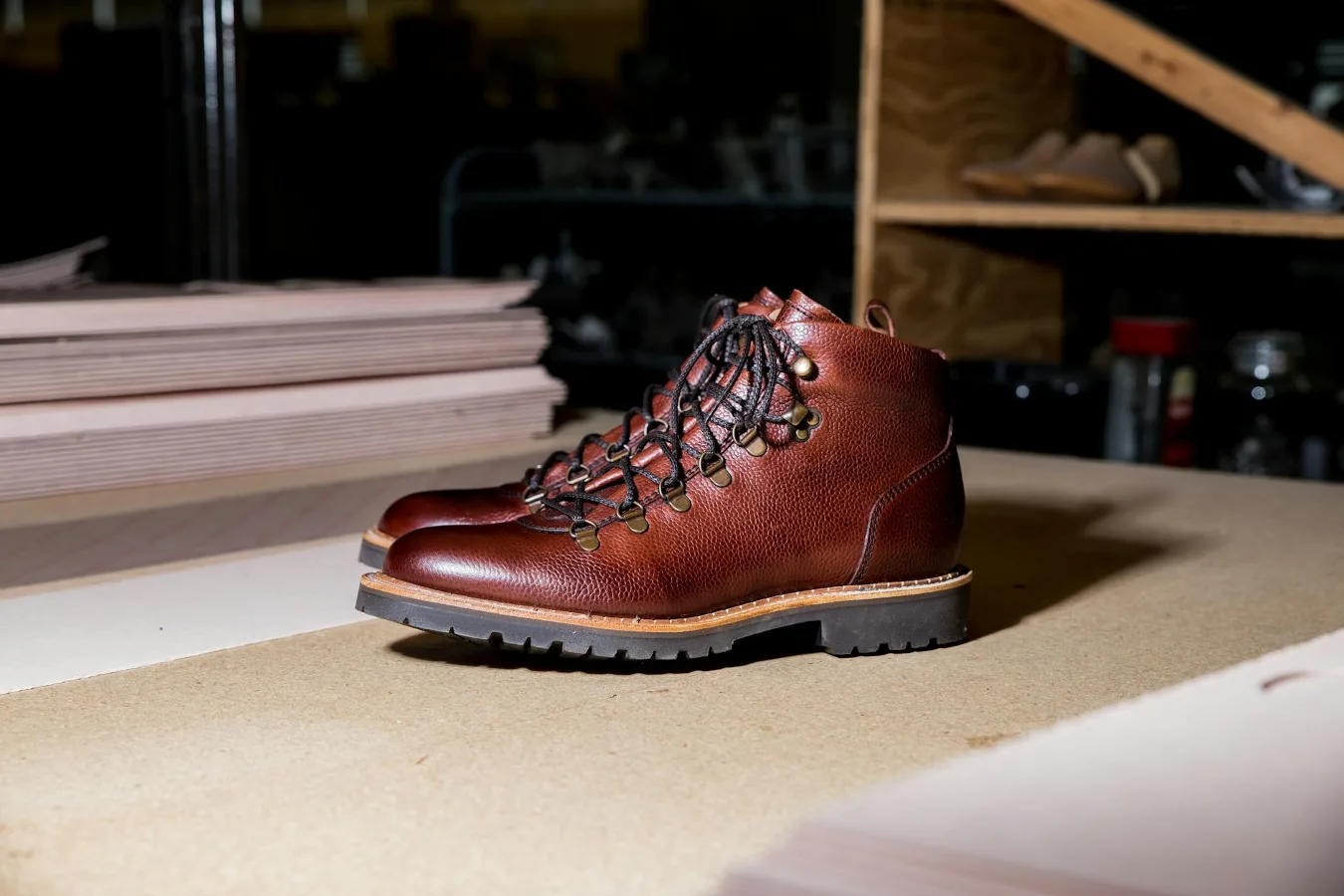
Why brown hiking boots remain a practical choice
Brown hiking boots sit in a useful middle ground: they look at home on the trail, they work with everyday outdoor clothing, and they often hide scuffs better than lighter colors. For many shoppers, the appeal is not just appearance. Brown is a versatile color for footwear that can feel less technical than black trail boots while still serving the same core job: stable, protective footing outdoors. what to look for in outdoor footwear offers more detail on this point.
If you are looking for brown hiking boots, the real question is not only what color to buy. It is how to choose a pair that matches your terrain, weather, walking habits, and comfort needs. A boot that looks right but fits poorly or uses the wrong materials will be frustrating fast. A good pair should balance support, traction, protection, and wearability without feeling overbuilt for your actual use. how to choose hiking boots offers more detail on this point. Light Hiking Boots: How to Choose offers more detail on this point.
Start with how you will use them
The best brown hiking boots for one person may be the wrong choice for another. The first step is to match the boot to your most common use case.
Day hikes and light trail use
If you usually take short to moderate hikes on maintained trails, a lighter boot or mid-height hiking boot may be enough. In this range, comfort and flexibility often matter more than heavy-duty protection. You may also value a boot that transitions easily from trail to town.
Backpacking and rougher terrain
If you carry a loaded pack, hike on uneven ground, or spend time on rocky and root-covered trails, support becomes more important. A sturdier boot can help with stability, especially when the trail surface changes often. The trade-off is that heavier boots can feel less nimble and may take longer to break in.
Wet, cold, or shoulder-season conditions
For muddy trails, rain, slushy weather, or colder conditions, weather protection deserves extra attention. Some shoppers want waterproof brown hiking boots for practical reasons, but waterproofing is not automatically the best choice for every climate. In warm, dry weather, waterproof membranes can trap more heat than a non-waterproof design.
Fit matters more than color
Brown hiking boots may catch your eye, but fit determines whether they are worth wearing. Poor fit is one of the most common reasons hikers end up with sore feet, hot spots, or blisters.
Pay attention to these basics:
- Toe room: Your toes should have space to move slightly without sliding forward into the front of the boot.
- Heel hold: The heel should stay secure with minimal lift as you walk.
- Midfoot feel: The boot should feel snug through the middle without pinching.
- Width: A boot that is too narrow can create pressure points, while one that is too wide can cause instability.
- Sock compatibility: Try boots with the hiking socks you actually plan to wear.
A common misconception is that hiking boots should feel tight because they need to be “secure.” In reality, secure does not mean cramped. You want controlled movement, not compression. On descents, your foot naturally shifts forward, so a small amount of extra room in the toe box can make a big difference.
Materials change comfort, maintenance, and lifespan
Brown hiking boots are commonly made from leather, suede, synthetic fabrics, or combinations of the three. Each material brings its own strengths and trade-offs.
Full-grain and nubuck leather
Leather tends to offer a classic look, strong structure, and good durability. It can also develop character over time, which suits the brown color particularly well. The trade-off is that leather often needs more care and may take longer to break in. Depending on construction, it can also feel warmer than lighter synthetic options.
Suede
Suede gives brown hiking boots a softer, more casual appearance. It can be comfortable and attractive, but it usually requires more careful maintenance than smooth leather. It may also show water spots or stains more readily, which matters if you frequently hike in wet or muddy conditions.
Synthetic and mixed materials
Synthetic boots are often lighter and can dry faster than all-leather designs. They may be a smart choice if you want easier break-in and lower weight. The compromise is that they may not deliver the same long-term feel or rugged appearance that some buyers want from brown hiking boots.
Material choice should reflect your priorities. If you want a more traditional boot that ages well, leather often makes sense. If you care more about low break-in and lighter carry, a mixed-material boot may be the better fit.
Traction and outsole design deserve close attention
One of the most overlooked factors in brown hiking boots is outsole design. Color gets attention, but traction affects confidence and safety on the trail.
Look for a tread pattern that matches your terrain. Deeper lugs can help on loose dirt, mud, and uneven ground, while a flatter or more compact pattern may feel better on packed paths and mixed surfaces. The rubber compound also matters, although it is often difficult to judge without manufacturer detail or hands-on use.
Do not assume that a boot is automatically “grippy” because it looks rugged. Some boots are built more for casual outdoor wear than technical trail performance. If your hikes include wet rocks, loose gravel, or steep descents, traction becomes a meaningful decision factor.
Support level should match your hiking style
Brown hiking boots vary from relatively flexible casual hikers to more structured boots with stiffer midsoles and higher ankles. Neither is universally better.
- Lower-support models are usually more flexible and comfortable for short hikes, travel, and everyday wear.
- Mid-height boots offer a balance of mobility and ankle coverage for general hiking.
- Higher-support boots can be more appropriate for heavier packs, rough terrain, or hikers who prefer a more secure feel.
A practical nuance: ankle height does not automatically equal ankle support. The overall build, lacing system, and platform stability matter too. A higher shaft can add coverage and confidence, but it will not replace a well-designed structure underfoot.
Waterproofing is useful, but not always the best answer
Many shoppers narrow their search to waterproof brown hiking boots, especially in the United States where weather can shift quickly by region. Waterproofing can be valuable for wet grass, rain, shallow puddles, and unpredictable trail conditions. It can also make a boot feel more versatile during shoulder seasons.
Still, waterproof footwear has limits. Once water gets in from the top, it can take longer to dry than a non-waterproof boot. In hot climates, waterproof membranes can also reduce breathability. If you mostly hike in dry, warm conditions, a breathable non-waterproof boot may feel more comfortable overall.
If you do choose waterproof boots, think about the environment you will actually wear them in. A boot that performs well in damp woodland trails may feel less pleasant on hot desert paths or long summer walks.
Brown is versatile, but not every shade behaves the same
Brown hiking boots come in a wide range of shades: dark chocolate, saddle brown, tan-brown, and distressed earth tones. The shade affects more than style.
- Darker browns tend to conceal dirt and scuffs better and often look more versatile with everyday clothing.
- Lighter browns can read as more casual or vintage-inspired, but they may show wear more quickly.
- Mixed-tone uppers may feel more modern and can blend better with technical outdoor clothing.
If you want one pair to cover hiking and casual wear, a darker brown is often the easier choice. If the boots are mainly for weekend wear and lighter trail use, a lighter brown may suit your style better. The key is to be honest about how often you want to clean them and how polished you expect them to look after regular use.
Comfort often comes down to small details
Many shoppers focus on the headline features of brown hiking boots and overlook details that affect day-to-day comfort.
- Lacing system: A good lacing layout helps you fine-tune pressure across the foot.
- Collar padding: Padding can improve comfort, but too much bulk may feel warm or restrictive.
- Insole quality: Some boots work better with aftermarket insoles if you need more arch support or cushioning.
- Flex point: The boot should flex naturally where your foot bends, not fight your stride.
- Break-in time: Stiffer boots often need gradual wear before they feel truly comfortable.
One common mistake is judging comfort only while standing still. Walk on different surfaces if possible, and notice whether the boot rubs on the heel, arches uncomfortably, or presses on the top of the foot. Small pressure points can become major problems on a longer hike.
How to choose the right pair without overbuying
It is easy to overspend on features you may never use. Brown hiking boots can be appealing because they look capable, but the smartest purchase is the one that matches your real needs.
Use this simple decision approach:
- Identify your main terrain. Packed trails, rocky paths, muddy ground, and mountain routes do not ask for the same boot.
- Match the weather. Dry and warm conditions favor breathability; wet and cold conditions favor protection.
- Choose the support level you need. Heavier loads and uneven trails call for more structure.
- Pick the material that fits your maintenance habits. Leather and suede need more care than many synthetic builds.
- Check how the boots fit with your socks. This simple step prevents many return-worthy mistakes.
If you are undecided between a rugged hiking boot and a more casual outdoor boot, think about frequency of use. A boot that works for both the trail and daily errands may be more useful than a highly technical model you only wear a few times a year.
Common mistakes shoppers make
Brown hiking boots are easy to shop for poorly because the color can distract from the details that matter.
- Choosing style before fit. Attractive boots that pinch or slip will not stay in regular rotation.
- Buying too much boot. Heavy, stiff boots can feel exhausting if you mainly walk on easy trails.
- Ignoring weather conditions. Waterproofing helps in some settings and is unnecessary in others.
- Skipping the break-in period. New boots may need gradual wear before long hikes.
- Overlooking maintenance. Leather and suede need regular care to stay in good condition.
An overlooked consideration is storage. If you live in a humid area or wear your boots only seasonally, how you dry and store them matters. Boots packed away while damp can develop odor, degrade materials, or lose shape over time.
When brown hiking boots make the most sense
Brown hiking boots are especially appealing if you want one pair that can do more than one job. They suit hikers who prefer earthy tones, travelers who need a practical boot with everyday appeal, and buyers who want outdoor footwear that does not look overly technical.
They are also a strong choice if you value a boot that can soften visually as it ages. Leather and suede especially tend to develop a lived-in look that many people find attractive. For buyers who want a boot primarily for technical alpine performance, though, appearance should take a back seat to features such as fit, traction, weight, and weather protection.
A simple way to narrow the field
If you are comparing brown hiking boots and still feel stuck, use this short checklist:
- Will I wear these mostly on easy trails, mixed terrain, or heavy backpacking trips?
- Do I need waterproofing, or would breathability matter more?
- Do I prefer a classic leather look or a lighter synthetic build?
- Do I want a boot for hiking only, or for casual wear too?
- How much maintenance am I realistically willing to do?
The best brown hiking boots are not the fanciest pair. They are the pair that fits well, suits your trails, and matches how you actually use outdoor footwear. Color is a useful starting point, but the right decision comes from fit, function, and honest expectations about maintenance and comfort.