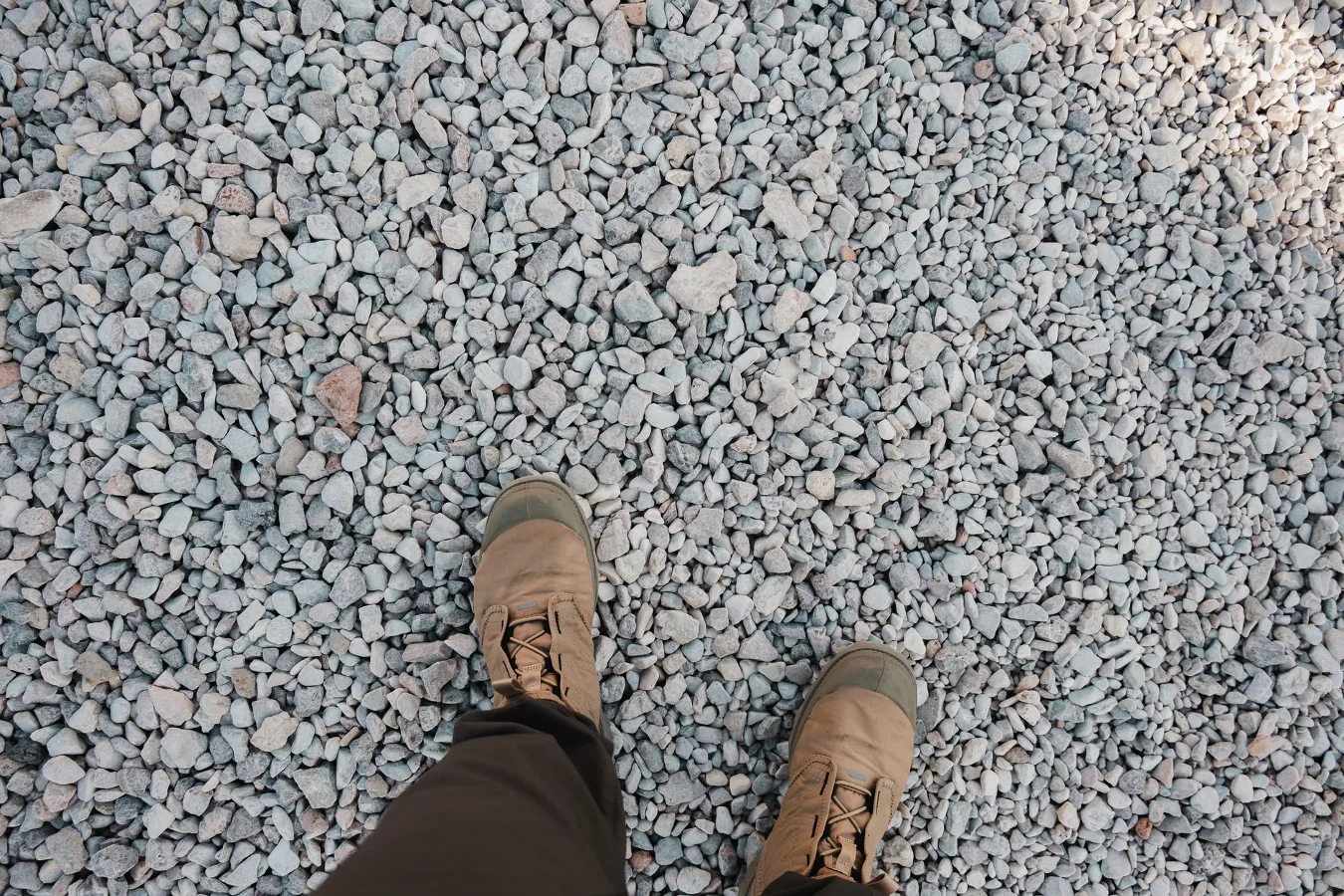
Why zero drop hiking boots appeal to trail hikers
Zero drop hiking boots place the heel and forefoot at the same height, creating a flatter platform than the raised-heel design found in many traditional hiking boots. For some hikers, that setup feels more stable, more natural, and less restrictive. For others, it takes a period of adjustment or turns out to be the wrong choice entirely. mens leather hiking boots offers more detail on this point.
The appeal is straightforward: a zero drop boot can encourage a more neutral standing position, give the toes room to spread if the toe box is shaped accordingly, and reduce the pitched-forward feeling some hikers dislike on climbs and long walks. But the category is not automatically better. The right choice depends on your gait, the terrain you hike, the weight you carry, and how much protection or support you want underfoot. how to choose the right hiking boot fit offers more detail on this point. Brown Hiking Boots: How to Choose Well offers more detail on this point.
If you are trying to decide whether zero drop hiking boots belong in your gear rotation, the most useful question is not whether they are “better” overall. It is whether they fit the way you hike.
What zero drop actually changes on the trail
Heel-to-toe drop affects posture, pressure distribution, and how the boot feels during long periods of walking. In a zero drop boot, the foot sits level, which can make the stance feel more balanced. Some hikers appreciate that flatter geometry because it can reduce the sensation of being pushed onto the forefoot or tipped forward on descents.
That said, zero drop is only one part of the equation. Stack height, outsole grip, torsional stiffness, toe box shape, midsole firmness, and overall fit can matter just as much. A zero drop boot with a narrow toe box or a very soft sole may not feel natural at all. Likewise, a boot with a little drop can still be comfortable and trail-friendly if it matches your foot and hiking style.
A common misconception is that zero drop automatically means “barefoot.” That is not the same thing. Many zero drop hiking boots still have substantial cushioning, protection, and structure. They may simply avoid the heel lift found in conventional boots.
Key factors that matter before you buy
Toe box shape and forefoot room
For many hikers, toe box shape is the first thing to check. A flatter heel does not help much if the front of the boot pinches your toes on descents or during swelling on long days. A roomier forefoot can improve comfort, especially for hikers whose feet widen after several miles.
Look for enough space to wiggle your toes while still keeping the midfoot and heel secure. Too much room can cause sliding, which may lead to blisters or lost stability on loose ground.
Outsole grip and terrain match
The best zero drop hiking boot for smooth forest paths is not necessarily the best one for wet rock, talus, or steep muddy climbs. Outsole pattern, rubber compound, and lug depth influence how the boot handles traction. If you hike varied terrain, pay attention to how the sole is designed to behave on both uphill and downhill movement.
On technical trails, a flatter platform can feel precise, but only if the sole has enough traction and the upper holds the foot securely. On easier trails, a lighter and more flexible model may be all you need.
Protection versus ground feel
Zero drop boots often sit somewhere between traditional boots and minimalist shoes. Some favor a more protective build, while others keep the sole thinner and more flexible. More protection usually means less ground feel and sometimes more weight. Less protection can improve trail awareness but may leave your feet more exposed to rocks and roots.
If you regularly hike sharp, uneven terrain, protection matters. If you mostly walk moderate trails and value flexibility, a lighter build may suit you better.
Support, stability, and your own mechanics
Support is a personal issue, not a universal feature. Some hikers prefer a stable, structured boot for ankle confidence and pack carry. Others feel constrained by stiff footwear and do better in a boot that moves more naturally with the foot.
Zero drop boots do not automatically remove support, and they do not automatically increase it either. What matters is how the boot interacts with your foot shape, ankle mobility, and the load you carry. Hikers with a history of sensitivity in calves, Achilles tendons, or plantar fascia should transition carefully rather than assuming a zero drop design will be painless from day one.
Fit during swelling and descents
Feet tend to swell on long hikes, especially in warm weather or when carrying a pack. That makes fit more than a simple shoe-size question. A boot that feels fine in the morning may become cramped later in the day. Because zero drop boots often encourage a more level stance, the forefoot fit can become even more important on long descents when the toes are driven forward.
Try to assess fit while standing and walking downhill if possible. Heel lock, midfoot hold, and toe clearance should all be part of the decision.
Who zero drop hiking boots tend to suit best
These boots are often a good match for hikers who like a more natural underfoot feel, have enough ankle and calf mobility to adapt, or prefer footwear that does not pitch them forward. They can also suit hikers who struggle with cramped toe boxes in conventional boots and want more room up front.
They may be less suitable for hikers who want immediate, high-support comfort, are carrying heavier loads, or have not adapted to flat footwear before. If your current boots already feel good on long walks, a switch to zero drop is not automatically an upgrade.
They can make particular sense for:
- day hikers who want a flatter stance and lighter feel
- hikers who prefer a wide toe box and natural toe splay
- people moving away from bulky traditional boots
- trail walkers who value flexibility and ground connection
- backpackers seeking a lighter alternative to stiff leather boots
Potential drawbacks worth taking seriously
The biggest mistake people make with zero drop hiking boots is treating them like a simple style switch instead of a footwear change that can affect biomechanics. A flatter platform can shift how your calves, Achilles tendon, and foot muscles work. If you jump into long hikes too quickly, discomfort can follow.
Another practical limitation is that zero drop boots vary widely. Some are truly trail-focused; others are better described as flat walking boots with outdoor styling. Do not assume the label guarantees performance in mud, snow, wet rock, or rough alpine conditions.
There is also a trade-off between flexibility and protection. A more flexible boot can be comfortable but may not shield your feet as well from hard edges, sharp debris, or heavy pack loads. If you rely on boot stiffness for confidence on uneven ground, a zero drop model may require a different adaptation period.
How to transition without creating avoidable problems
If you are new to zero drop footwear, transition gradually. Start with shorter walks, easy trails, and lighter loads. Pay attention to calf tightness, arch fatigue, and any hot spots or rubbing. The goal is to let your body adapt before you put the boots into demanding conditions.
It also helps to separate two changes at once. If you are switching from a high-drop, stiff boot to a zero drop design, do not make the first outing a long backpacking trip. Give yourself time to learn the new feel.
- begin with short outings on familiar terrain
- wear them around town before relying on them on the trail
- check whether the lacing system holds the heel securely
- monitor toe room after your feet warm up and swell
- increase hike length only if the boots feel consistently comfortable
Alternatives if zero drop does not fit your needs
If you like some of the benefits of zero drop but are not fully sold on the category, there are reasonable alternatives. A low-drop hiking shoe may offer a middle ground for hikers who want a more natural stance without committing to a completely flat platform. Traditional hiking boots can still be the better option for heavier loads, colder conditions, or hikers who value more structure.
For some trail users, a hiking shoe with a wide toe box and moderate cushioning delivers the comfort they want without the adaptation period that zero drop sometimes requires. Others may prefer a trail runner for lighter-duty hikes and reserve boots for more demanding conditions. The right choice depends less on trend and more on the demands of your local terrain.
Practical buying guidance
When comparing zero drop hiking boots, start with your actual use case. Ask where you hike most often, how long you stay out, whether you carry a pack, and what kind of ground you encounter. Then evaluate the boot as a system rather than focusing on one feature.
Use this checklist:
- Fit: secure heel, comfortable midfoot, enough toe room
- Terrain: mud, rock, forest paths, mixed trail, or steep climbs
- Load: day hike comfort versus backpacking stability
- Protection: how much underfoot shielding you actually need
- Flexibility: whether you want more movement or more structure
- Break-in: how much adaptation your feet and calves require
One overlooked consideration is sock choice. Socks cannot fix a poor boot fit, but they can change how secure and comfortable the boot feels. Thickness, cushioning, and moisture management all influence performance on the trail.
Another nuance is seasonality. A zero drop boot that feels ideal on dry summer trails may not be the best fit for cold, wet, or snowy conditions, where insulation, water resistance, and stability become more important.
Decision guide: should you choose zero drop?
Choose zero drop hiking boots if you want a flatter stance, roomier toe splay, and a trail feel that supports natural movement, and if you are willing to adapt gradually. They are especially appealing when comfort issues in conventional boots come from heel elevation, cramped forefoot space, or a sensation of being forced forward.
Skip them, or approach them cautiously, if you need immediate support, hike with a heavy pack, have not tolerated minimalist or flat footwear well in the past, or want a boot primarily for rugged protection rather than a natural feel. There is no universal winner here. The best boot is the one that matches your feet, your routes, and your tolerance for adaptation.
For many hikers, zero drop hiking boots are a thoughtful middle ground: less aggressive than minimalist shoes, more natural-feeling than many traditional boots, and versatile enough for a wide range of trail use. The key is to judge them by fit, trail suitability, and comfort over time, not by the label alone.