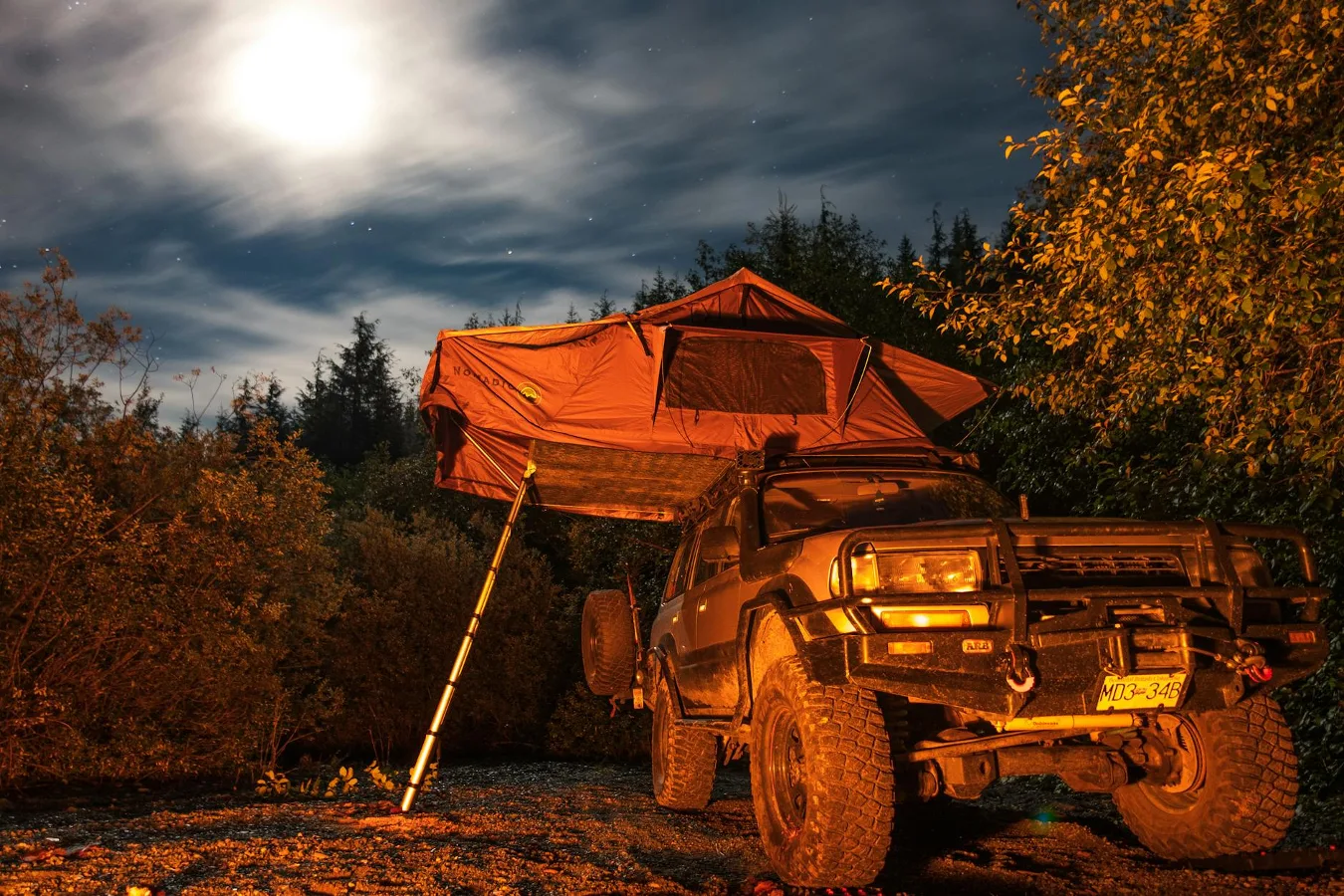
Quick answer: what to look for in a camping tent for a Jeep
A camping tent for a Jeep usually falls into one of three categories: a vehicle-attached tent that connects to the rear or side of the Jeep, a rooftop tent mounted on crossbars or a rack, or a standalone tent used near the vehicle. The right choice depends on how you camp, how much interior space you need, and whether you want the Jeep to act as part of the shelter or simply as a gear hauler. how to choose a tent for vehicle camping offers more detail on this point. suv camping tent offers more detail on this point.
If you want the simplest buying decision, start with this question: Do you want to sleep in the Jeep, on the Jeep, or beside the Jeep? That answer narrows the field quickly. From there, focus on fit, weather protection, setup effort, sleeping comfort, and how the tent works with your Jeep’s roof, tailgate, liftgate, and camping style. sub zero sleeping bag offers more detail on this point.
For many buyers, the most practical option is not the most specialized one. A well-sized freestanding tent often gives more flexibility and less compatibility risk than a vehicle-specific setup. But if you camp from the same Jeep often, and you value a covered connection between the vehicle and the shelter, a Jeep-compatible attachment tent can be a smart upgrade.
How the main Jeep tent styles compare
The phrase “camping tent Jeep” gets used for several very different products. That is the first trap to avoid. A tent that clips to a Jeep Wrangler is not the same thing as a rooftop tent or a tailgate awning setup, and each one solves a different problem.
Vehicle-attached tents
These tents connect to the rear hatch, tailgate, side doors, or a cargo area opening. They can create a covered passage between the Jeep and the sleeping area, which is useful in rain, wind, or dusty conditions. They also tend to make camp feel more organized because you can reach stored gear without stepping fully outside.
Best for: drivers who want easy access to the vehicle, family camping, and short trips where convenience matters more than maximum interior room.
Trade-offs: fit varies by model, sealing can be imperfect, and they depend on how your Jeep opens and how level the ground is.
Rooftop tents
Rooftop tents sit on top of a roof rack or platform. They keep sleeping space off the ground and can work well for uneven campsites. Many buyers like the sense of separation from mud, sand, and insects. The main limitation is that they add weight, height, and a more involved setup process.
Best for: overlanding-style travel, frequent campers, and buyers who prioritize a dedicated sleeping platform.
Trade-offs: more expensive in the broader sense of ownership, harder to access during the day, and not ideal for every Jeep roof setup.
Standalone tents used with a Jeep
This is the most flexible and often the most overlooked category. A regular camping tent can be paired with a Jeep for storage, charging, shade, and quick access to supplies. For many campers, this is the most practical answer because it avoids vehicle-specific compatibility issues.
Best for: budget-conscious buyers, occasional campers, and anyone who wants a shelter that can be used with other vehicles too.
Trade-offs: you do not get a built-in connection to the Jeep, and loading or unloading gear may take a little more effort at camp.
What matters most before you buy
There are a few decision factors that matter more than brand names or flashy photos. A Jeep is a capable camping vehicle, but that does not automatically make every tent a good match.
Fit and compatibility
Compatibility is the first filter. Jeep models vary widely, and even within the same model, roof racks, tire carriers, liftgate styles, and aftermarket accessories can change what will work. If you are looking at a vehicle-attached tent, confirm that it is designed for your exact body style or for the type of rear access your Jeep has.
Pay close attention to how the tent connects. Some designs rely on a hatch, some on a tailgate, and some use straps or sleeves that assume a certain opening geometry. A product marketed generically as “Jeep tent” may still be awkward or partially incompatible with your setup.
Setup and pack-down effort
Setup effort is often underestimated. A tent that looks convenient online may be frustrating after a long drive, in low light, or in bad weather. Ask yourself how much assembly you are willing to handle at the campsite, and whether you usually camp solo or with help.
Faster setup usually means fewer poles, fewer attachment points, and less adjustment. That convenience can be worth it if you move camps often. On the other hand, more complex shelters sometimes offer better stability, larger interior volume, or more flexible configurations.
Weather protection
For Jeep camping, weather protection matters because the vehicle itself does not eliminate exposure. Look for practical features such as full coverage at the entry, secure guy-out points, and a design that sheds rain rather than pooling it. Ventilation matters too, because a sealed shelter can feel stuffy even in mild weather.
Be realistic about use conditions. A shelter that works well in dry summer trips may feel less suitable in wind, heavy rain, or cold shoulder-season weather. If your camping is seasonal, choose based on the worst conditions you expect to face, not the nicest ones.
Sleeping space and living space
Space is about more than sleeping capacity. Think about whether you want room for changing clothes, storing boots, or keeping day gear under cover. Some Jeep tents are compact and efficient; others create a larger annex-like footprint. Bigger is not always better if you camp on tight sites or in places with uneven ground.
If you regularly travel with a partner, child, dog, or bulky gear, check how the interior shape feels in practice. Sloped walls, low ceilings, and restricted entry points can matter more than the stated occupant count.
Durability and long-term value
Durability is partly about materials and partly about how the tent fits your use pattern. A lightweight setup may be easier to carry and handle, but it may also be less forgiving in rough conditions. Heavier construction can feel more stable, yet it may be cumbersome to install or move.
Long-term value also depends on versatility. A freestanding tent can be used with other vehicles, at different campsites, and even away from the Jeep. A highly specialized Jeep attachment may be less flexible, but more convenient if you camp in the same way every time.
Common mistakes buyers make
Most bad camping tent Jeep purchases happen for predictable reasons. The good news is that they are easy to avoid once you know what to watch for.
- Buying for the Jeep model name instead of the actual setup. A tent that sounds Jeep-specific may still depend on rack height, hatch shape, or accessory clearance.
- Ignoring roof limits and mounting requirements. Rooftop tents are only practical if your rack system and vehicle setup can support them appropriately.
- Choosing size by occupancy count alone. Two people plus sleeping gear may need more space than a “two-person” label suggests.
- Overlooking campsite constraints. Some tents need more flat ground or more clearance than people expect.
- Forgetting ventilation. Good airflow reduces condensation and makes the shelter more livable in mixed weather.
- Assuming attachment equals convenience. A vehicle-connected tent can be handy, but it may also add setup steps and compatibility friction.
How to choose the right setup for your camping style
The best choice depends on your actual trips, not just the idea of Jeep camping.
If you camp on weekends and want simplicity
A freestanding tent paired with the Jeep is often the most balanced choice. It gives you flexibility, keeps the purchase broadly useful, and avoids the hassle of matching a vehicle-specific tent to your exact hatch or roof arrangement.
If you camp in changing weather
Focus on weather protection, secure attachment points, and ventilation. A sheltered connection to the Jeep can be helpful, especially if you want a dry place to move between the vehicle and the tent. Just remember that added coverage can also create condensation if airflow is poor.
If you road-trip and move camps often
Setup speed and pack-down simplicity matter more than luxury features. A streamlined attachment tent or an efficient rooftop tent may suit this style better than a large, complex shelter.
If you carry lots of gear
Look for layouts that preserve access to the rear cargo area or create a covered staging area. This is one of the most practical reasons Jeep owners look at tent attachments in the first place. Being able to sort gear without dragging everything into the open can make camp much easier to manage.
Useful trade-offs to weigh honestly
A good buyer guide should be clear about the compromises. There is no Jeep tent setup that wins every category.
| Setup type | Main advantage | Main limitation | Best fit for |
|---|---|---|---|
| Vehicle-attached tent | Easy access between Jeep and shelter | Compatibility can be tricky | Frequent campers who value convenience |
| Rooftop tent | Raised sleeping platform | Added weight and more involved installation | Overlanding and regular campers |
| Standalone tent | Flexible and widely usable | No direct vehicle connection | General car camping and occasional trips |
One overlooked consideration is how often you actually switch vehicles or camping styles. If your Jeep is your only camping platform, a more specialized shelter may make sense. If you borrow, lend, or change vehicles often, flexibility usually wins.
Practical buying checklist
Before you choose a camping tent for a Jeep, run through this short checklist:
- Does it match your Jeep body style and accessories?
- Will it work with your roof rack, hatch, or tailgate setup?
- Is setup realistic for one person if needed?
- Does it provide enough ventilation for your climate?
- Will it still feel usable with your gear, pet, or travel partner inside?
- Is it flexible enough for the kind of trips you actually take?
If you cannot answer those clearly, the tent is probably too specialized, too large, or too dependent on a setup you do not already have.
Alternatives worth considering
Not every Jeep owner needs a tent that attaches directly to the vehicle. In fact, some of the smartest purchases are alternatives that solve the same problem with fewer compromises.
A quality freestanding tent can be easier to store, easier to replace, and easier to use with other vehicles. A simple awning or shade shelter can improve camp comfort without turning your Jeep into a semi-permanent campsite. For buyers focused on sleeping off the ground, a rooftop tent may make more sense than a rear-attachment model, especially if the roof setup is already in place.
The right alternative often depends on whether your priority is sleeping, storage, weather coverage, or fast camp setup. That is why “Jeep tent” should be treated as a use case, not a single product type.
What a smart Jeep tent purchase really looks like
The best camping tent for a Jeep is the one that fits your vehicle, your route, and your tolerance for setup work. If you want maximum flexibility, a freestanding tent is often the safest buy. If you want a sheltered connection to the vehicle, a Jeep-compatible attachment tent may be worth the extra planning. If you camp regularly and already have the right mounting setup, a rooftop tent can be compelling.
The key is to match the shelter to the way you camp now, not the most ambitious version of camping you imagine doing later. That approach usually leads to better comfort, fewer surprises, and a tent that feels useful long after the first trip.