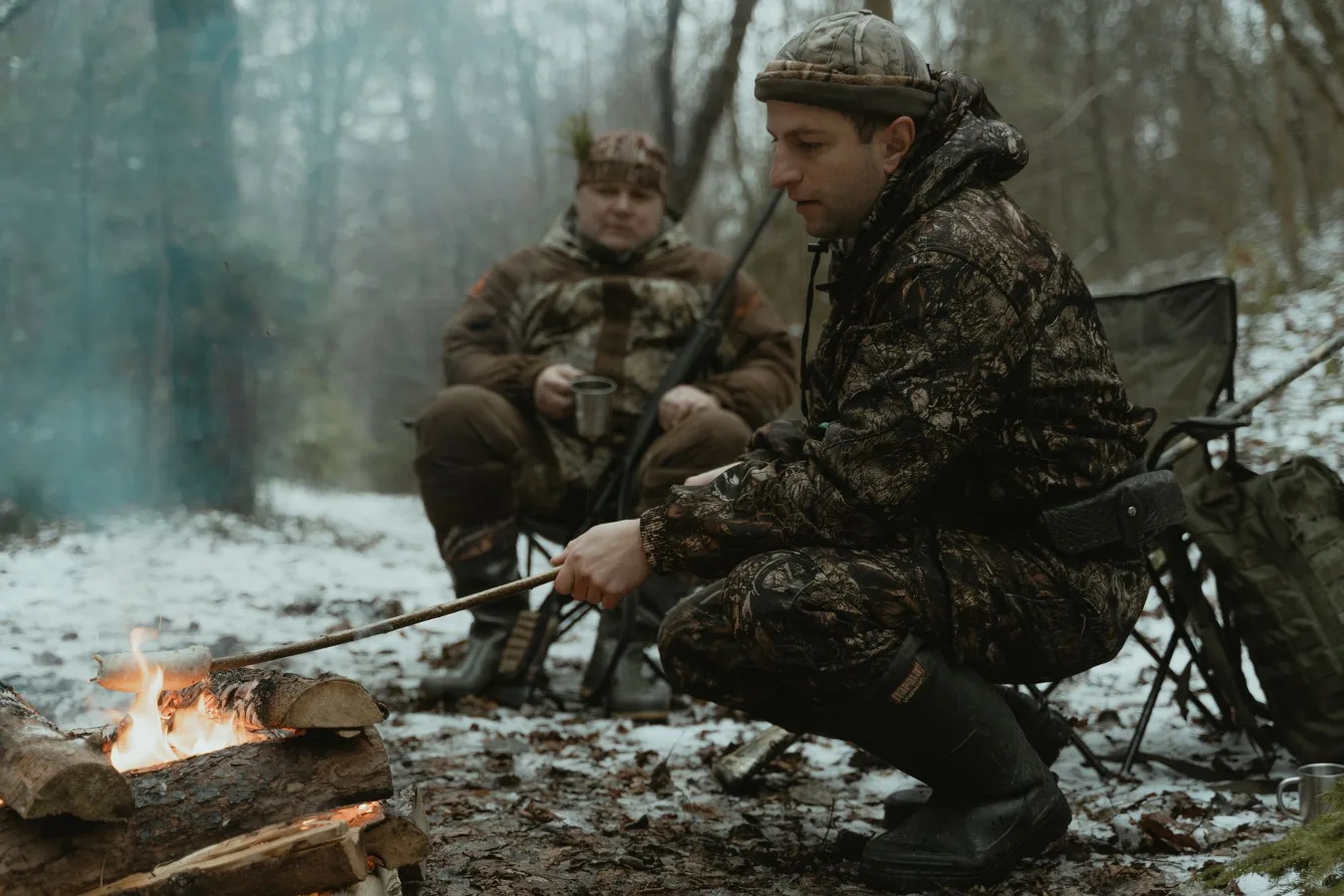
Hunting hiking boots are the kind of footwear that has to solve two problems at once: they need to feel capable on uneven trails, and they need to be appropriate for hunting conditions. That usually means paying attention to traction, support, weather protection, noise, and comfort over long hours rather than choosing a boot for looks or a single feature. White Hiking Boots: What to Know Before Buying offers more detail on this point.
The best pair for you depends on where you hunt, how much ground you cover, and the season. A boot that feels ideal for a dry, early-season walk may be a poor choice for cold, wet, steep, or heavily loaded conditions. That trade-off is the core of the decision.
When hunting hiking boots make sense
Hunting hiking boots are a strong choice for hunters who cover distance on foot, move across mixed terrain, or want one pair that can handle both trail miles and field use. They are especially useful for public-land hunts, scouting trips, and backcountry outings where hiking ability matters as much as stand comfort. backcountry gear for long days in the field offers more detail on this point.
They may not be the best option for every hunt. If you spend most of your time in a stationary blind in cold conditions, a heavier insulated boot or pac-style boot may be more appropriate. If your terrain is flat and dry, a lighter hiking-style boot may be more than enough. The right answer comes from the hunt itself, not from the label.
Step-by-step criteria for choosing the right pair
1. Match the boot to your terrain
Terrain should shape the boot before almost anything else. Steep hills, talus, wet timber, muddy bottoms, and rocky ridges each ask for a different balance of flexibility and support.
- Rough, steep country: Look for more ankle support, a stable midsole, and a firmer platform that helps on sidehills.
- Muddy or wet ground: Prioritize traction, water resistance, and a design that sheds debris reasonably well.
- Mixed trail and field use: A moderate boot with balanced cushioning and support usually works better than an ultra-stiff or ultra-soft option.
- Rocky terrain: Toe protection, sole stability, and secure heel hold matter more than extra softness.
A common mistake is buying for the easiest part of the route. If the approach is simple but the final climb is not, the boot has to perform for the hardest section, not the first mile.
2. Decide how much support you actually need
Support is not just about ankle height. A tall boot can still feel unstable if the midsole is too soft or the heel slips. Likewise, a mid-height boot with a solid structure can feel surprisingly secure.
Heavier loads, steep descents, and uneven footing usually call for more structure. If you carry a pack, glass for long periods, or sidehill often, a supportive boot can reduce fatigue by keeping your foot better aligned. On the other hand, too much stiffness can feel tiring on flatter terrain or during fast, active hunts.
A useful rule of thumb: choose the least amount of boot that still gives you stable footing for the terrain and weight you carry. Extra structure helps only when you can use it.
3. Think through weather protection honestly
Waterproofing is helpful, but it is not a universal solution. Waterproof boots can keep out moisture from wet grass, shallow water, and light rain, yet they often breathe less than non-waterproof options. In warm weather, that can make feet feel hotter and sweatier.
Insulation is another trade-off. Insulated boots help in cold conditions, especially when you are glassing or sitting still for long stretches. But insulation can be excessive for active hunting in milder temperatures, where it may add bulk and reduce comfort.
- Wet but mild conditions: Waterproof, uninsulated boots are often the most flexible choice.
- Cold, inactive conditions: Insulated boots can be worth the extra weight.
- Warm-season scouting or early hunts: Breathability may matter more than waterproofing.
One overlooked consideration is drying time. If you hunt several days in a row, a boot that stays damp for too long can become a bigger problem than a boot that lets in a little moisture but dries faster.
4. Pay attention to outsole grip, not just tread pattern
Many buyers focus on how aggressive the outsole looks. The deeper story is the rubber compound, lug spacing, and how the sole behaves on your terrain. A tread that seems rugged on a store shelf may not be ideal on slick rock, soft mud, or wet leaves.
For hunting hiking boots, traction has to feel predictable. You want secure braking on descents, stable edging on uneven ground, and confidence when you shift weight quietly. Extremely sticky soles can be excellent on rock but may collect mud more easily. More open lugs can shed mud better, but they may feel less precise on harder surfaces.
There is no single best outsole for every hunter. The better question is whether the sole suits the conditions you see most often.
5. Fit matters more than most feature lists
Fit is where many good boots fail in practice. A boot that looks perfect on paper can still cause blisters, hot spots, or toe bang if it does not match your foot shape.
Consider heel lock, toe room, arch support, and how the boot behaves with the socks you plan to wear. Hunting socks are often thicker than everyday socks, so trying boots with the socks you intend to use is a practical move. Your toes should have room to move a bit, but your heel should stay secure when you walk downhill.
Also think about foot swelling. Long hikes and warm temperatures can change how boots feel by late afternoon. A pair that feels snug in the morning may feel restrictive later.
6. Choose noise level with realism
Quiet movement matters in hunting footwear, but there is a limit to how much silence a boot can provide. Materials, tread design, stiffness, and how the boot flexes all affect sound. A soft boot may be quieter on some surfaces, while a firmer boot may sound more deliberate but feel more stable.
The practical goal is not a perfectly silent boot. It is a boot that does not create unnecessary noise when you place your feet carefully. If your hunt involves stalking through dry leaves, brush, or frozen ground, a boot that flexes smoothly and fits well will usually help more than a flashy design claim.
Examples of boot types by use case
For active early-season hunts
Lightweight, uninsulated hunting hiking boots usually make the most sense when temperatures are moderate and you are moving often. Breathability and comfort tend to matter more than heavy insulation or maximum stiffness.
This is often the best category for scouting, spot-and-stalk hunts, or long approaches in dry to mixed conditions. The trade-off is reduced warmth and sometimes less rugged protection.
For wet or unpredictable weather
Waterproof boots with solid traction are the practical choice when you expect morning dew, puddles, swampy edges, or intermittent rain. They can help keep your feet more comfortable during a full day outdoors, especially if conditions shift. how to choose waterproof outdoor boots offers more detail on this point.
The limitation is ventilation. If your hunt turns active and temperatures rise, waterproof boots may run warmer than you want.
For cold weather and stand hunting
Insulated hunting boots are better suited to colder, slower hunts where warmth matters more than speed. They make sense when you spend long periods standing or sitting still.
These boots can feel cumbersome on steep hikes or long miles. If you need to cover distance before settling in, too much insulation can work against you.
For rugged backcountry trips
Backcountry hunting boots usually lean toward stronger support, durable uppers, and more protection underfoot. They are a better match for heavy packs, rough rock, and long climbs.
The trade-off is weight and break-in time. A stronger boot can feel less nimble, especially if you prefer faster movement or all-day mobility.
Materials and construction: what actually matters
Materials influence how a boot wears, bends, and handles weather. Leather, synthetic textiles, and mixed constructions each bring different strengths.
- Leather-heavy boots: Often durable and supportive, but they may require more care and can feel heavier.
- Synthetic boots: Usually lighter and quicker-drying, though they may not age the same way as well-built leather models.
- Hybrid boots: Common in outdoor footwear because they aim to balance durability, flexibility, and weight.
Construction also matters. A boot with a well-made midsole, secure lacing system, and reinforced toe can hold up better in field use than a boot that looks rugged but feels flimsy under load. Stitching, overlays, and gusseting can affect water resistance, debris control, and long-term reliability.
Common mistakes buyers make
- Choosing by insulation alone: Warmth is useful, but only if the boot also fits the season and your level of activity.
- Ignoring pack weight: A boot that feels fine on a short walk may feel unstable after miles with a load.
- Buying too stiff or too soft: The wrong flex can leave you tired, sore, or less secure on uneven ground.
- Skipping the break-in period: Even a promising boot may need some time before it feels natural on longer outings.
- Forgetting sock choice: The same boot can fit very differently with lightweight socks versus thicker hunting socks.
Another common misconception is that more aggressive boots are always better for hunters. In reality, excess boot can be a burden. If your routes are moderate and your hunts are mobile, a lighter, more comfortable boot may improve endurance and foot health.
Simple checklist before you buy
- Does the boot match your main terrain: steep, muddy, rocky, or mixed?
- Will you be moving often, or sitting still for long periods?
- Do you need waterproofing, insulation, or both?
- Does the outsole seem suited to your surfaces?
- Is the boot supportive enough for your pack weight?
- Does the fit leave room for hunting socks without heel slip?
- Can you imagine wearing it for a full day, not just a short walk?
- Is the boot easy to care for and realistic for your season?
Alternatives worth considering
Hunting hiking boots are a strong middle ground, but they are not the only answer. Depending on your setup, another category may suit you better.
- Light hiking shoes: Better for warm weather, faster movement, and lower loads, but they offer less protection and support.
- Traditional hunting boots: Useful for colder or more specialized hunting conditions, especially if warmth matters more than mobility.
- Work-style outdoor boots: Sometimes durable, but they are not always ideal for quiet movement or long-distance hiking.
If you are torn between categories, start with the conditions you face most often. A boot that is excellent for one very specific use case can be frustrating everywhere else.
How to narrow the field without overthinking it
A practical way to shop is to rank your priorities in order. For many hunters, the sequence looks something like this: terrain first, weather second, support third, then weight, then quietness, then price. That order may change if you hunt mostly from a stand or if your feet are sensitive to pressure points.
If two boots seem similar, choose the one that best matches your real-world routine. The best hunting hiking boots are not the ones with the longest feature list. They are the pair that fits your terrain, keeps you comfortable, and does not force you to work around the boot all day.
That is the practical standard worth using: not perfect in every condition, but reliable in the conditions that matter most to your hunts.