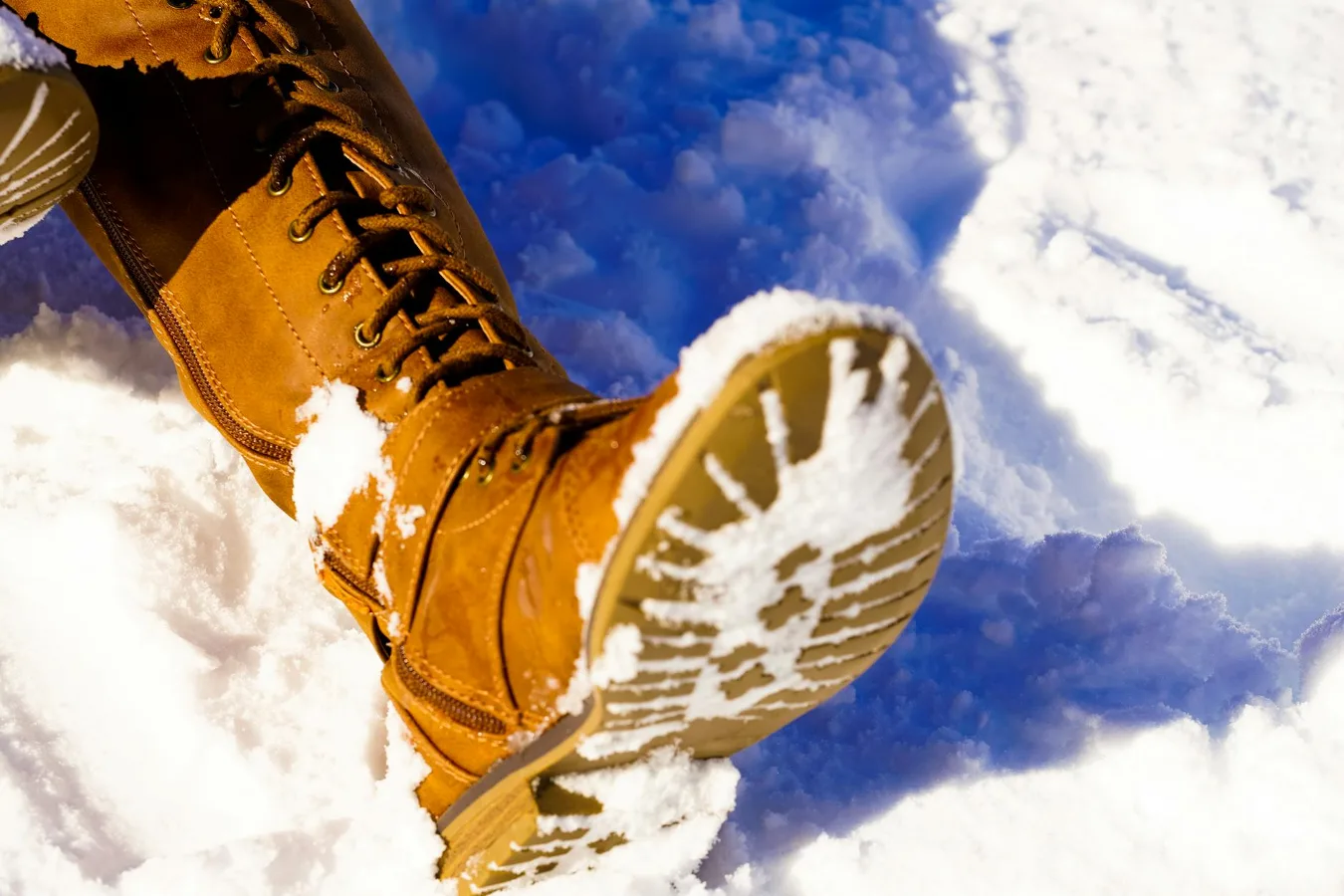
Quick answer: are white hiking boots a good choice?
White hiking boots can be a good choice if you want trail-ready footwear with a cleaner, more versatile look. The color itself does not determine performance; the important questions are whether the boot has the right traction, support, weather protection, fit, and weight for the trails you actually walk. how to choose hiking boots for different trails offers more detail on this point. lighter hiking boots offers more detail on this point.
For many buyers, the main trade-off is simple: white boots often look sharp with outdoor and casual outfits, but they usually show dirt, scuffs, and trail dust more quickly than darker boots. If you are willing to clean them regularly, they can be practical for light hiking, travel, and everyday wear. If you prefer low-maintenance gear for muddy or rocky routes, a darker finish is usually easier to live with.
Start by thinking about use case, not color. A white boot that fits well and handles your terrain will outperform a rugged-looking boot that never feels stable on your foot.
What matters most when comparing white hiking boots
Shopping for white hiking boots is really about balancing style with outdoor function. The best pair for you depends on how often you hike, how rough the ground is, and whether you want one boot for the trail and the street.
Fit and support
Fit should come first. A hiking boot that looks right but rubs your heel, pinches your toes, or feels sloppy on descents will become a regret quickly. Check for enough room in the toe box, secure heel hold, and a midfoot fit that feels stable without pressure points. If you plan to carry a pack or hike uneven terrain, support becomes even more important.
Boot height can also matter. Higher-cut boots may give a more secure feel around the ankle, while lower-cut models often feel lighter and more flexible. The right choice depends on how much stability you want and how much freedom of movement you prefer.
Traction and outsole design
The outsole is one of the most important parts of any hiking boot. Look for tread that matches your terrain. Deeper lugs generally help on loose dirt, gravel, and mixed trail surfaces, while flatter patterns may feel more comfortable on hard-packed paths and urban use. If your hikes include wet rock, mud, or steep grades, outsole grip matters more than the boot’s appearance.
Do not assume a boot is trail-ready just because it looks sturdy. Some fashion-forward outdoor boots prioritize style over serious grip, which can be fine for casual walks but frustrating on technical terrain.
Weather protection and breathability
White hiking boots are often made in materials that fall somewhere between breathable and weather-resistant. Some pairs use leather or synthetic uppers that repel light moisture, while others rely on waterproof membranes. Waterproofing can be helpful in wet grass, drizzle, or muddy conditions, but it can also reduce breathability.
That trade-off matters more than many shoppers expect. If you hike in warm, dry conditions, a more breathable boot may feel better over long walks. If you regularly encounter rain, snowmelt, or soggy trails, weather protection becomes a higher priority.
Materials and maintenance
Light-colored boots ask for more care. Smooth synthetic uppers are usually easier to wipe down than textured suede or fabric-heavy designs. Leather can offer durability and structure, but it often needs more deliberate cleaning and conditioning. Mesh can improve ventilation, yet it may also pick up stains and trail debris more easily.
This is one of the most overlooked considerations: white hiking boots are not just a style decision, they are a maintenance commitment. If you want a boot that stays looking fresh, choose materials and finishes that are easier to clean, and be realistic about how often you will maintain them.
How white hiking boots compare with darker options
The practical differences between white and dark hiking boots are less about trail performance and more about upkeep, styling, and how visibly they age.
| Factor | White hiking boots | Darker hiking boots |
|---|---|---|
| Visual impact | Cleaner, brighter, more fashion-forward | More classic, rugged, and understated |
| Maintenance | Show dirt, salt, and scuffs quickly | Hide everyday wear more easily |
| Versatility | Works well for casual outdoor style and travel | Often easier for heavy trail use and muddy conditions |
| Trail visibility | Can stand out in a more styled outfit | Blends into traditional outdoor looks |
| Best use cases | Day hikes, light trails, mixed casual wear | Rougher terrain, frequent muddy use, low-maintenance wear |
If your hikes are occasional and you also want the boots to work with jeans, leggings, or travel outfits, white can be a smart choice. If your footwear spends most of its life in dirt, snow, or wet brush, darker colors are usually the more forgiving option.
Common mistakes to avoid
Many buyers focus on how white hiking boots look and overlook what actually makes them useful. A few common mistakes come up again and again.
- Choosing style over fit. If the boot does not lock your heel in place or leaves your toes cramped, the color will not matter.
- Ignoring terrain. Boots meant for casual paths may not perform well on loose gravel, steep climbs, or wet surfaces.
- Overlooking upkeep. White uppers need more frequent cleaning, especially after dusty or muddy hikes.
- Assuming waterproof means better for everything. Waterproof boots can feel warmer and less breathable, which is not ideal in every climate.
- Forgetting break-in time. Stiffer boots may need time to soften, and this matters even more if you plan to wear them all day.
A practical approach is to decide whether the boot is primarily for hiking, everyday wear, or a blend of both. That single decision will narrow your options more effectively than color alone.
Alternatives if white hiking boots are not the right fit
White hiking boots are not the only way to get a clean outdoor look. Depending on your priorities, another type of footwear may be a better match.
Light hiking shoes are a good alternative if you want less weight, more flexibility, and easier everyday wear. They often suit day hikes and casual trails better than traditional boots.
Neutral-toned hiking boots can give you a similar versatile style without the maintenance burden of white. Tan, gray, and off-white tones often hide wear more effectively.
Waterproof trail boots make more sense if your hikes are frequently wet or messy. You may sacrifice some breathability, but you gain convenience in poor conditions.
Casual outdoor boots work if you care more about look and comfort than technical trail performance. Just be honest about the terrain they can handle.
Style and wearability: where white boots make sense
One reason white hiking boots attract attention is that they bridge outdoor function and streetwear style. That can be a strength if you want one pair to handle city walks, travel, and casual hikes without looking overly technical.
They pair especially well with neutral outdoor layers, athletic wear, denim, and simple travel outfits. The clean color can make heavier boot silhouettes feel less bulky. That said, the same brightness that makes them look polished also makes dirt more obvious, so they are best for people who do not mind regular cleaning.
If your wardrobe leans minimalist, white boots can fit naturally. If you like gear that looks rugged after a few outings, a white upper may feel too delicate.
Care tips that help white hiking boots last longer
White hiking boots usually stay looking best when cleaned before stains settle in. After each outing, brush off loose dirt, wipe the surface gently, and let the boots dry naturally away from direct heat. If the upper uses suede, leather, or textured synthetics, check the care instructions for that material before using any cleaner. leather hiking boots for men offers more detail on this point.
It also helps to treat the boots as trail gear, not fashion sneakers. Mud, grit, and road salt can all leave marks if they sit too long. A quick clean after a hike is far easier than trying to restore the color later.
For storage, keep them dry and out of direct sunlight. White materials can discolor if neglected, and damp interiors can develop odors or wear faster over time.
Who white hiking boots are best for
White hiking boots make the most sense for buyers who want a mix of practical trail use and a cleaner visual style. They are a strong fit for casual hikers, travelers, and anyone who wants boots that can move between outdoor and everyday settings.
They are less ideal for hikers who regularly deal with mud, wet brush, snow, or very rough terrain. In those conditions, a darker, more utilitarian boot usually asks for less work and ages more gracefully.
If you are deciding between white hiking boots and a more traditional option, ask yourself one question: do you want your boots to look fresh as long as possible, or do you want them to disappear into the background while doing hard work? That answer usually points to the right choice.
FAQs about white hiking boots
Are white hiking boots hard to keep clean?
They are usually more demanding than darker boots because dirt, dust, and scuffs show up faster. Smooth materials are easier to wipe down than suede or fabric-heavy uppers.
Are white hiking boots good for real hiking?
They can be, as long as the boot has proper traction, fit, support, and weather protection for your terrain. The color does not determine trail performance.
Do white hiking boots get dirty quickly?
Yes, especially on dusty, muddy, or wet trails. If that bothers you, choose a darker color or a material that is easier to clean.
Should I choose waterproof white hiking boots?
Only if your hikes often involve rain, wet grass, or muddy conditions. Waterproofing can be useful, but it may reduce breathability compared with non-waterproof options.
Can white hiking boots work as everyday shoes?
Yes. Many people choose them for their mix of outdoor function and casual styling. Just make sure the fit and support match how long you will be on your feet.