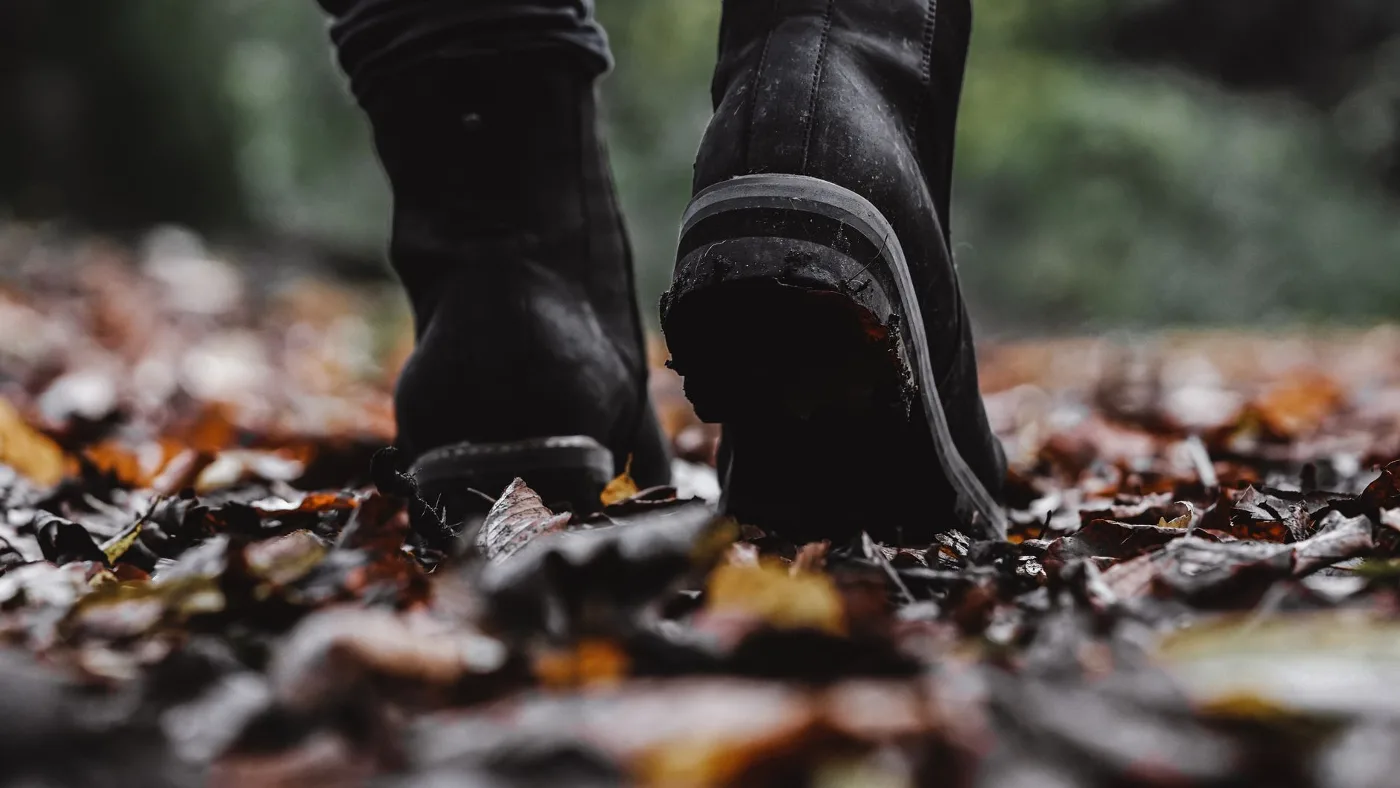
Why Vibram sole hiking boots are so popular
Vibram sole hiking boots are a common choice because the outsole often delivers a strong mix of traction, durability, and stable footing across mixed terrain. For many hikers, the appeal is not a single dramatic feature but the overall balance: a boot that can handle dirt paths, rocky climbs, wet trails, and long miles without feeling overly specialized. hunting hiking boots offers more detail on this point.
The phrase Vibram sole hiking boots usually refers to boots built with a Vibram-branded outsole, which is a type of rubber tread designed for grip and wear resistance. That does not automatically make every pair the same. The upper materials, midsole support, ankle height, waterproofing, and tread pattern matter just as much as the outsole name.
If you are trying to decide whether these boots are worth it, the short answer is this: they make the most sense when you want dependable trail traction and a boot that feels built for outdoor use, but you still need to match the boot to your terrain, pack weight, and comfort preferences.
What the Vibram outsole changes in practice
The outsole is the part of the boot that contacts the ground, so it influences grip, braking, stability, and how long the tread lasts before it wears down. A Vibram outsole is often associated with a well-designed lug pattern and rubber compounds made for outdoor surfaces. In practical terms, that can help on loose dirt, gravel, roots, slabby rock, and uneven trail approaches.
That said, outsole quality is only one piece of performance. A boot can have a respected Vibram sole and still feel poor if the fit is wrong, the midsole is too stiff for your stride, or the upper does not suit your hiking style. A common misconception is that the outsole alone determines how good a hiking boot is. It does not. It helps, but it is not a guarantee. how hiking boot fit affects comfort offers more detail on this point.
Another nuance many buyers overlook: different Vibram designs serve different purposes. Some prioritize sensitivity and flexibility for lighter hiking. Others focus on stability and braking for more technical or rugged conditions. If the product listing mentions the Vibram name but not the outsole style, use the rest of the boot’s design clues to judge how it will behave.
Key factors that matter before you buy
1. Terrain and trail conditions
Start with where you actually hike. A boot that feels perfect on dry woodland trails may feel clunky on steep switchbacks or too rigid for casual local hikes. Vibram sole hiking boots are a strong fit for mixed-use hiking, but the tread pattern and boot construction should match your terrain.
- Wet rock and roots: look for a tread design that is meant to bite and shed water reasonably well.
- Mud and loose trail debris: deeper lugs can help with self-cleaning and traction.
- Hardpacked trails: a less aggressive sole may feel smoother and less tiring.
- Off-trail or rocky routes: stability and underfoot protection become more important than softness.
2. Weight and hike length
Heavier boots can provide a more planted feel, but they also demand more energy over long distances. If your hikes are mostly short to moderate day hikes, a lighter boot with a Vibram outsole may be more comfortable than a traditional heavy leather model. If you carry a bigger pack or hike on rough ground often, a sturdier build may be worth the trade-off.
The practical question is not whether a boot is “better” in the abstract. It is whether the extra structure actually helps your use case. For some hikers, a lighter boot with dependable traction is ideal. For others, more support and protection are worth the added bulk.
3. Fit and foot shape
Fit matters more than outsole branding. Toe box room, heel lock, arch feel, and instep volume can change how a boot performs on the trail. A boot with excellent traction can still cause blisters, toe bang, or hot spots if the shape does not fit your foot.
Look for enough room to swell naturally during long hikes, but not so much space that your foot slides downhill. If you plan to wear hiking socks, factor them into the fit. The best hiking boot is the one that feels secure without pressure points.
4. Support level
Support is often misunderstood. Some hikers want ankle coverage because they like the added sense of security. Others prefer a lower-cut or more flexible boot because they find it less fatiguing. A Vibram sole can appear in either type of boot, so decide based on stability needs rather than the outsole alone.
If your terrain is uneven, your pack is moderately heavy, or your ankles fatigue on longer hikes, a more supportive boot may help. If you prioritize agility and natural movement, a lighter, less structured option may suit you better.
5. Waterproofing and breathability
Waterproof hiking boots are useful in wet climates, stream crossings, or shoulder-season conditions, but they can run warmer and dry more slowly. Non-waterproof models often breathe better and can feel more comfortable in hot weather or on fast-moving hikes.
This is one of the most overlooked trade-offs in shopping for Vibram sole hiking boots. Many people focus on traction and overlook climate comfort. If you hike in humid summers, a highly breathable boot may be more enjoyable than a waterproof one. If you frequently hike in rain, slush, or wet grass, waterproofing may be worth the extra warmth.
6. Upper material and durability
Leather, synthetic fabrics, and mixed constructions each bring different strengths. Leather may feel more durable and structured, while synthetics often break in faster and weigh less. Mixed-material boots aim to balance the two.
Durability is not only about abrasion resistance. It also involves how well the boot holds shape, how the seams age, and whether the outsole and upper remain comfortable together after repeated use. A tough sole does little good if the upper fails early or loses support.
Practical ways to choose the right pair
The easiest way to narrow your choice is to think in use cases rather than brand language. Vibram sole hiking boots can serve very different hikers, so the best match depends on how you move.
- For casual day hikers: prioritize fit, comfort, and moderate traction over maximum stiffness.
- For rocky or uneven trails: look for underfoot protection, stable platform geometry, and a tread pattern suited to rough surfaces.
- For wetter regions: decide whether waterproofing or faster drying matters more.
- For longer routes with a pack: look for support, torsional stability, and reduced foot fatigue.
- For warm-weather hiking: ventilation and lower overall weight may matter more than a heavily reinforced build.
A useful way to filter options is to ask what problem the boot should solve. Do you need better grip on slick ground? More confidence on rocky descents? Better longevity from frequent use? The answer helps you choose the right outsole and boot construction instead of chasing a label.
Benefits that make Vibram sole hiking boots appealing
There are several reasons hikers keep returning to Vibram-equipped boots:
- Reliable trail traction: especially helpful on uneven, loose, or wet terrain.
- Outdoor-oriented design: many models are built with hiking in mind rather than casual street use.
- Durability potential: a well-made outsole can stand up to repeated trail abrasion.
- Versatility: many boots work across a wide range of trail conditions.
- Confidence underfoot: a good outsole can make rough ground feel more manageable.
Those strengths explain the appeal, but they do not replace the need for proper fit and use-case matching. A boot that excels on rough terrain may feel unnecessary on smooth paths, while a lighter model may be more comfortable for everyday trail walks.
Limits and trade-offs worth considering
Vibram sole hiking boots are not automatically the best choice for every hiker. A more aggressive outsole can sometimes feel less comfortable on pavement or hard surfaces. Stiffer boots can reduce ground feel. Waterproof models may trap heat. Heavier models can become tiring on long days. Those trade-offs are normal, not flaws.
Another limitation is that outsole branding can be confusing. Two boots both labeled with Vibram soles may behave very differently because of tread depth, lug spacing, midsole stiffness, and upper construction. If you compare only the logo, you can end up choosing the wrong boot for your needs.
Also keep in mind that traction is situational. Even a strong outsole cannot remove the risks of wet moss, loose scree, or polished stone. Good foot placement still matters.
Common mistakes buyers make
- Choosing by outsole name alone: the rest of the boot matters just as much.
- Ignoring fit: comfort problems on the trail usually start here.
- Overbuying support: extra structure is not helpful if you do mostly easy hikes.
- Buying waterproof by default: not every climate or season calls for it.
- Overlooking break-in time: some boots need gradual use before they feel trail-ready.
- Assuming one boot covers every season: hot-weather and cold-wet hiking often call for different priorities.
Alternatives if Vibram sole hiking boots are not the right fit
If you are not sure Vibram sole hiking boots are the best match, several alternatives may make more sense:
- Trail shoes: a good option for lighter loads, faster hiking, and warmer conditions.
- Lightweight hikers: useful when you want more protection than a trail shoe but less bulk than a full boot.
- Backpacking boots: better for heavy packs, rough routes, and added support needs.
- Approach shoes: sometimes useful for rocky terrain where climbing-oriented grip matters.
The right choice comes down to the balance between protection, traction, weight, and comfort. Vibram sole hiking boots often sit in the middle of that spectrum, which is why they remain a strong all-around option. differences between hiking boot outsoles offers more detail on this point.
Maintenance that helps them last longer
Good care does not need to be complicated, but it does matter. Trail grit, mud, and moisture can wear boots down faster if left unattended. Brush off dirt after hikes, let wet boots dry naturally, and avoid excessive heat that can damage materials. If your boots use leather, follow the care guidance specific to that material. If they are synthetic, keep the uppers clean so breathability and comfort do not suffer.
Check the outsole tread periodically. Once lugs wear smooth, grip can decline even if the upper still looks fine. Also pay attention to midsole compression, because a boot can lose comfort before it looks worn out.
How to decide if Vibram sole hiking boots are worth it for you
Choose them if you want a boot that prioritizes outdoor traction, trail versatility, and dependable long-term use. They are especially sensible if your hiking includes varied terrain, wet conditions, or rougher ground where stable footing matters. They can also be a smart pick if you want one boot that can handle multiple kinds of outdoor use without feeling too specialized.
You may want to look elsewhere if your hikes are mostly easy, dry, and short, or if you value low weight and maximum flexibility above all else. In those cases, a trail shoe or a lighter hiking model may feel better and cost less in comfort terms, even if it gives up some protection.
The most practical way to shop is to treat the Vibram outsole as a strong feature, not the whole decision. Match it with the right fit, upper material, waterproofing level, and support profile, and you are much more likely to end up with boots you actually enjoy wearing.
FAQ
Are Vibram sole hiking boots good for wet trails?
They can be a strong choice for wet trails, but performance depends on the full outsole design, tread pattern, and boot construction. Wet rock, slick roots, and mud all challenge traction in different ways.
Do Vibram soles mean a hiking boot is durable?
Not by themselves. A Vibram outsole can support durability, but the upper, stitching, midsole, and overall build quality also determine how long the boot holds up.
Are Vibram sole hiking boots better than trail shoes?
They are not automatically better; they are different. Hiking boots usually provide more protection and support, while trail shoes are often lighter and more flexible.
Should I choose waterproof Vibram hiking boots?
Only if your hiking conditions justify it. Waterproof boots are useful in wet, cold, or muddy environments, but they can feel warmer and dry more slowly.
What matters most besides the Vibram sole?
Fit comes first, followed by support level, weight, upper material, and whether the boot matches your terrain and hiking style.