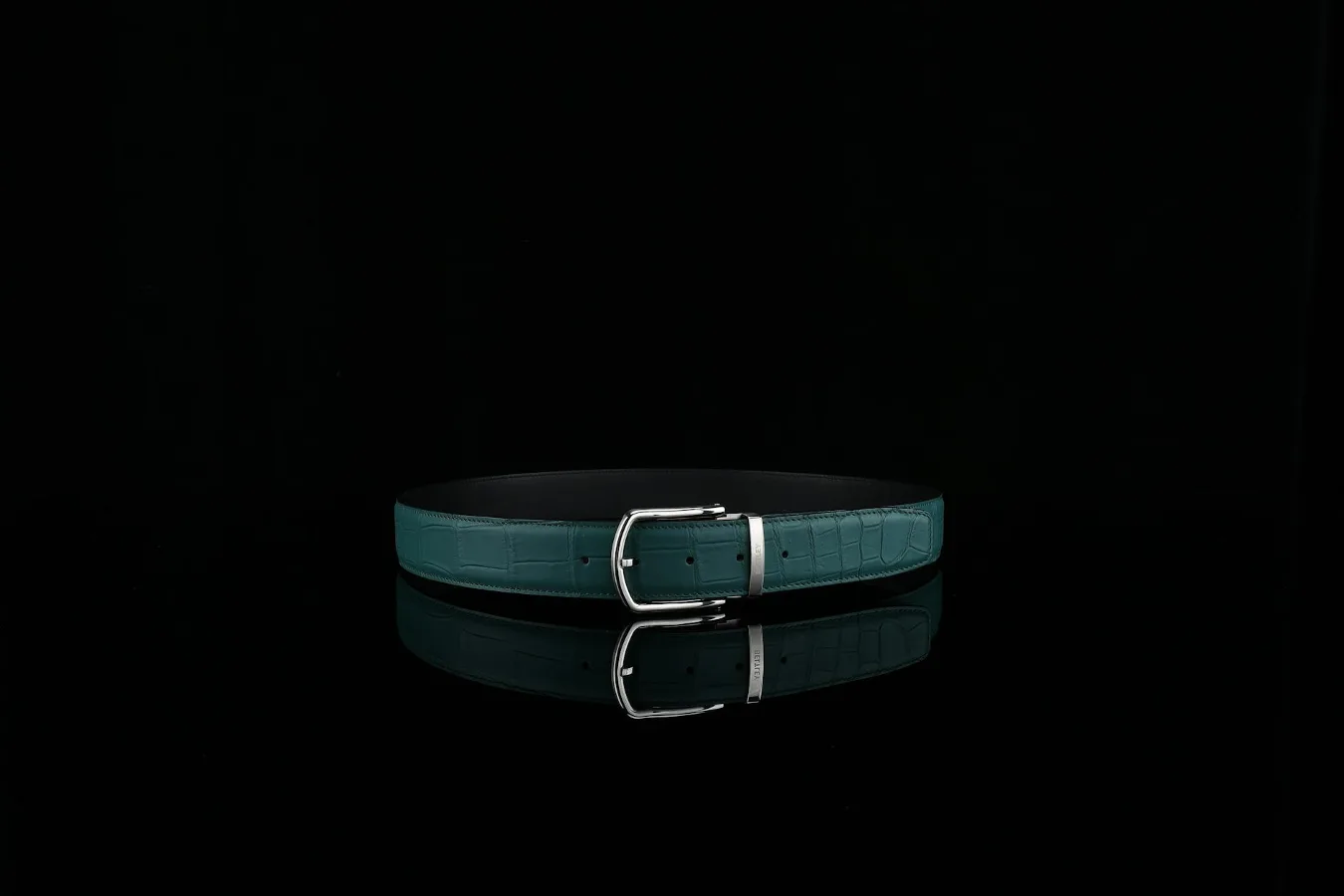
Magnetic belts for men are best understood as a style-and-convenience accessory, not a category to judge by wellness claims or gimmicky promises. If you are looking for a belt that is easier to fasten, simpler to adjust, or more comfortable for daily wear, a magnetic closure can be appealing. If you need a belt for heavy-duty support, strict dress code formality, or long-term durability, the details matter more than the label. Brown Belts for Men: Buyer’s Guide offers more detail on this point. men’s belt styles offers more detail on this point.
The short answer: a good magnetic belt for men should still be evaluated like any other belt—by fit, materials, buckle design, finish, comfort, and how well it suits the outfits you actually wear. The magnetic part may improve ease of use, but it should not distract from the basics.
How magnetic belts fit into a men’s wardrobe
Most buyers are comparing magnetic belts to traditional leather belts, ratchet belts, or casual web belts. The appeal usually comes down to one of three things: faster fastening, a cleaner-looking closure, or a more modern feel. That makes magnetic belts a strong candidate for everyday wear, travel, or situations where you want less fuss.
They are not automatically better than standard belts. In some wardrobes, they are a useful alternative. In others, they are a novelty that looks interesting but does not solve a real problem. The right choice depends on what you want the belt to do.
What to compare before buying
Because the magnetic feature can distract from the rest of the product, it helps to compare the parts that actually affect daily use.
Fit and adjustability
Fit comes first. A belt should close comfortably at the waistband you actually wear, not just at a guessed size. Check whether the belt is adjustable, whether the closure allows fine-tuning, and whether it will still work if your weight or layering changes through the year.
One common misconception is that a magnetic belt is automatically more forgiving than a regular belt. That is not always true. Some magnetic designs are easy to close but still limited by fixed sizing. Others offer better adjustment, which makes them more practical for people who want flexibility. practical men’s gift ideas offers more detail on this point.
Closure strength and everyday security
The magnetic closure should feel secure enough for normal walking, sitting, and day-to-day movement. The issue is not whether magnets are strong in a general sense, but whether the full buckle system holds consistently in real use. A belt can feel satisfying to snap together and still be disappointing if it shifts or loosens too easily.
If your wardrobe includes active commuting, frequent bending, or long days on the move, security matters more than novelty. A belt that is easy to fasten but unreliable under movement is not a good trade.
Material quality
Material choice affects appearance, comfort, and lifespan. Leather usually reads as more refined and is often the better match for office wear or dressier outfits. Synthetic materials can be lighter, easier to clean, and sometimes more affordable, but they may look less polished depending on the finish.
Pay attention to the edges, stitching, and surface texture as much as the main material. Those details often reveal whether the belt is built for regular use or only for occasional wear.
Buckle design and profile
The buckle is where magnetic belts can either look sleek or feel bulky. A lower-profile buckle tends to sit more naturally under a shirt or jacket. A larger buckle may make a stronger visual statement but can feel awkward with slimmer trousers or more formal outfits.
Also consider how the buckle sits when you bend or sit down. A belt that looks neat standing up can become annoying if the hardware presses into your waist.
Comfort over a full day
Comfort is often overlooked because shoppers focus on the closure mechanism. Yet the real test is how the belt feels after hours of wear. Some closures create pressure points, while others distribute tension more evenly. If you wear belts for work, travel, or long social events, comfort may matter more than the opening mechanism itself.
Style compatibility
Magnetic belts are not automatically casual or formal. The finish, width, stitching, and buckle shape determine where they fit best. A smooth, darker belt with restrained hardware can work in business-casual settings. A more textured or visibly technical design usually belongs in casual outfits.
If you are building a versatile wardrobe, think about the clothes you already own: jeans, chinos, trousers, or suits. The best belt is the one that matches your most common outfits, not the one with the most attention-grabbing feature.
Magnetic belts versus other belt types
Comparing the main options can make the decision easier.
| Belt type | Best for | Main advantage | Main limitation |
|---|---|---|---|
| Magnetic belt | Convenience, quick fastening, everyday wear | Easier to use and often more modern in feel | Quality and security vary widely by design |
| Traditional leather belt | Dress wear, office settings, classic styling | Timeless look and broad outfit compatibility | Less flexible adjustment than some alternatives |
| Ratchet belt | Fine-tuned sizing, daily comfort | Precise adjustability | Different look that may not suit every outfit |
| Web or fabric belt | Casual wear, travel, warm-weather outfits | Lightweight and practical | Less formal appearance |
A magnetic belt makes the most sense when convenience is genuinely valuable to you. If your main need is a polished look for dress clothing, traditional leather may still be the safer choice. If you want micro-adjustment, a ratchet belt may solve the problem more effectively than magnets do.
Common mistakes people make with magnetic belts
Buying for the mechanism instead of the wardrobe
The biggest mistake is focusing only on the magnetic feature. A belt should still match the rest of your clothing. If the finish, width, or buckle shape is wrong, the convenience of the closure will not make it a better accessory.
Ignoring outfit formality
Some magnetic designs look clean enough for casual business settings, but that does not mean every version works with dress pants or a suit. A shiny, oversized, or overly technical buckle can clash with formal clothing. Matching formality matters as much as matching color.
Overlooking long-term wear comfort
Shoppers often assume a magnet means better comfort. In practice, comfort depends on the belt’s width, edge finish, flexibility, and how the closure sits against your body. If a product description says little about those basics, be cautious.
Assuming all magnetic closures are equal
Magnetic belt designs vary. Some are meant to simplify fastening; others are built around a more decorative closure. The user experience can differ a lot between models, so it is worth reading the construction details carefully rather than assuming they all work the same way.
Choosing the wrong size strategy
With belts, size is never just a number. Some belts are meant to be trimmed, some rely on a fixed measurement, and some use a more adjustable closure system. If you do not understand how the belt is sized, you may end up with a product that is hard to wear properly.
When a magnetic belt is a smart buy
A magnetic belt is a strong option if you want a practical accessory that reduces hassle without changing your style too much. It can be especially appealing for people who value simple fastening, want a cleaner user experience, or prefer a modern alternative to a standard buckle.
It is also worth considering if you buy belts as gifts. Because the closure is the feature people notice first, it can feel more distinctive than a basic belt—provided you still choose a neutral color and a broadly wearable style.
For men who rotate between jeans, chinos, and other casual-to-smart-casual outfits, a well-designed magnetic belt can be a useful everyday piece. For strictly formal wardrobes, the benefit is less obvious, and traditional leather still often makes more sense.
When to choose something else instead
If your priority is a classic look, a traditional leather belt is usually easier to match. If your priority is precise adjustment and everyday comfort, a ratchet belt may be a better fit. If you need something rugged, washable, or especially relaxed, a web belt can be more practical.
That comparison is useful because a magnetic belt is not a universal upgrade. It is a trade-off: ease of use and modern convenience versus the specific style expectations and fit preferences you may already have.
Care and maintenance basics
Maintenance depends on the material, but the general rule is simple: keep the belt clean, dry, and stored flat or neatly hung so the shape stays intact. If the belt uses leather, follow the care guidance for leather accessories rather than treating it like a synthetic strap. If it uses coated or synthetic material, avoid harsh cleaners that can dull the finish.
For magnetic hardware, keep dirt and debris from building up around the closure. A magnet can be easy to use, but it should still be checked periodically for wear, loosening, or cosmetic damage. Small issues are easier to manage early than after the buckle starts feeling unreliable.
Practical buying checklist
- Choose the belt based on the outfits you wear most often.
- Check the sizing method before ordering.
- Look closely at material, edge finish, and stitching.
- Make sure the buckle profile suits your preferred level of formality.
- Decide whether convenience is worth giving up some classic styling.
- Prefer a neutral color if you want maximum versatility.
- Compare comfort and security, not just the novelty of the magnetic closure.
FAQ
Are magnetic belts for men actually practical?
Yes, if your main goal is easier fastening or a simpler everyday belt experience. They are most practical when the closure, fit, and material quality are all solid.
Can a magnetic belt be worn with dress clothes?
Sometimes, but only if the design is restrained and the finish looks appropriate with dress pants or business-casual clothing. Many magnetic belts are better suited to casual or smart-casual outfits.
Are magnetic belts more comfortable than regular belts?
Not automatically. Comfort depends on the width, flexibility, edge finishing, and how the closure sits on your body. A well-made standard belt can feel better than a poorly made magnetic one.
What should I check first before buying one?
Start with sizing, then check material, buckle profile, and how secure the closure is likely to feel during normal wear. Those factors matter more than the magnetic feature by itself.
Are magnetic belts a good gift?
They can be, especially if you choose a neutral color and a simple design. Gifts work best when the style is versatile enough to fit into a man’s existing wardrobe.
For most shoppers, the smartest approach is simple: treat a magnetic belt as a convenience accessory first and a style piece second. If it fits your wardrobe, feels comfortable, and looks appropriate for how you dress, it can be a genuinely useful addition. If not, a traditional or ratchet belt may serve you better.