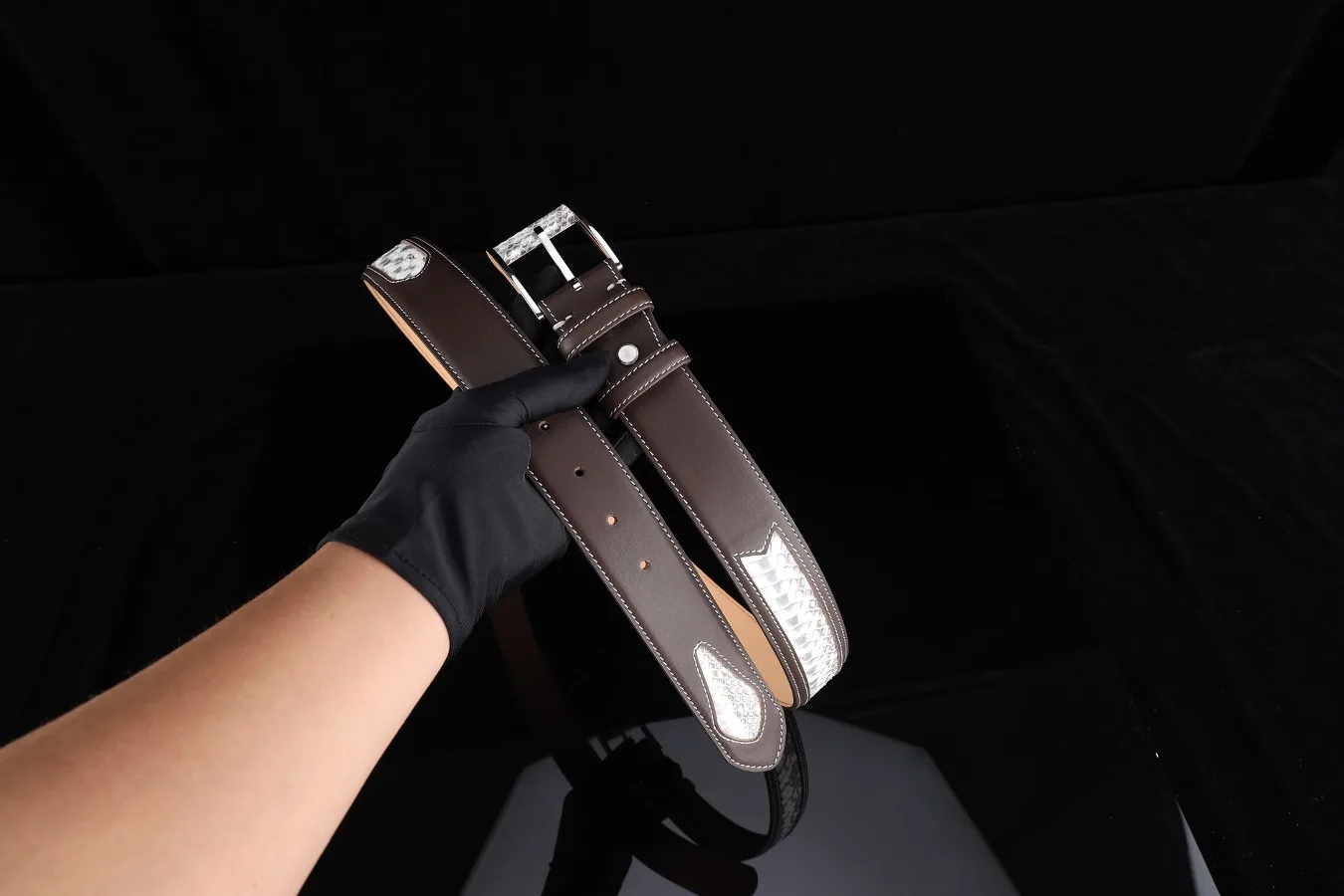
Brown belts for men: the short answer
Brown belts for men work because they are flexible, understated, and easy to style with a wide range of outfits. If you want one belt that can move between jeans, chinos, and some business casual looks, a brown leather belt is often the most practical starting point. The best choice depends on three things first: shade, width, and how formal your wardrobe is. dress belts vs casual belts offers more detail on this point. alligator belts for men offers more detail on this point.
Dark brown usually looks more polished. Medium and lighter browns feel more relaxed and pair well with casual shoes, boots, and weekend clothing. A smoother leather finish and a slimmer width tend to read dressier, while a textured or wider belt leans casual.
If you are deciding between several options, think less about the belt as a standalone accessory and more about how it fits into the rest of your wardrobe. The right brown belt should support your shoes, trousers, and overall dress code without drawing too much attention.
When a brown belt matters most
A brown belt matters most when your outfit has enough structure to make the belt visible. That includes office outfits, tucked-in shirts, chinos, tailored trousers, dark denim, and boots. In those settings, a mismatched belt can make an outfit look less intentional even if the rest of the clothing is well chosen.
Brown belts also matter when you want a softer alternative to black. Brown often feels warmer and less severe, which makes it especially useful for smart casual wardrobes and everyday wear. It can help an outfit look finished without looking overly formal.
There is one common misconception worth correcting: a brown belt is not automatically more casual than a black belt. The overall look depends on the leather finish, buckle, width, and the rest of the outfit. A dark brown belt in smooth leather can look quite refined.
Step-by-step criteria for choosing the right one
1. Start with the shoes you actually wear
The easiest way to narrow your choice is to look at your shoe rotation. Brown belts work best when they sit comfortably near your shoe color family. You do not need a perfect match, but the belt and shoes should feel related.
- Dark brown belt: pairs well with dark brown dress shoes, brogues, loafers, and many boots.
- Medium brown belt: versatile for casual shoes, suede shoes, and everyday office wear.
- Light brown or tan belt: best for casual outfits, spring and summer looks, and lighter footwear.
If your wardrobe includes both black and brown shoes, brown belts usually offer more styling flexibility because they can cover a broader range of casual and business casual outfits.
2. Choose the right leather finish
Leather finish affects both appearance and durability. Smooth leather often looks cleaner and more formal. Grainy or pebbled leather feels more relaxed and can handle casual wear well. Suede has a softer texture that works especially well with boots, jackets, and elevated casual looks, but it usually needs more care than smooth leather.
Some shoppers focus only on leather type and overlook finish, but finish can matter just as much for how polished the belt looks. A belt made from decent leather may still look out of place if the finish conflicts with your wardrobe.
3. Match width to the trousers
Width is one of the most useful decision points, yet it is often ignored. A slimmer belt tends to suit dress trousers and more formal outfits. A wider belt usually feels better with jeans, heavier chinos, and workwear-inspired clothing.
As a general style principle, the belt should look proportional to the belt loops and the fabric weight of the pants. A thick work-style belt with trim dress trousers can look clunky. A narrow dress belt with rugged denim can look too delicate.
4. Decide how formal you need it to be
If the belt will be worn to the office, look for a cleaner design with a simple buckle and minimal distressing. If it is mainly for casual wear, you can allow more texture, a slightly thicker profile, or a more substantial buckle.
This is where brown belts for men become especially useful. One shade may serve multiple roles, but only if the rest of the design aligns with the setting. A refined dark brown belt can move between business casual and evening wear more easily than a heavily distressed casual belt.
5. Check size and fit before style details
Even a good-looking belt fails if the fit is awkward. The most practical belt length usually gives you enough room to fasten comfortably without leaving an excessive tail. The buckle should sit cleanly and the leather should not look strained at the holes.
Many shoppers make the mistake of choosing a belt based on pant size alone without thinking about how they wear their trousers. If you tuck in shirts regularly or carry items in your pockets, a slightly different fit may feel better than a belt chosen only by a generic size chart.
Examples of how to wear brown belts
With jeans
Brown belts are a natural match for denim. A medium or darker brown belt usually works best with jeans because it balances the casual texture of denim without looking too formal. If your jeans have a rugged or vintage feel, a textured leather belt can fit the look better than a highly polished one.
With chinos
Chinos give you more range. A smooth medium brown belt can look clean with navy, olive, khaki, or gray chinos. For a sharper business casual outfit, choose a belt with a simpler buckle and less visible stitching.
With dress trousers
Dress trousers call for restraint. A slim brown belt in a rich, even shade usually works better than a wide or overly casual version. If the outfit is formal, the belt should quietly support the look rather than compete with it.
With boots and rugged clothing
Boots, flannel, chore coats, and heavier fabrics can support a broader or more textured belt. This is a good place for brown suede, distressed leather, or a more substantial buckle if the rest of the outfit feels intentionally casual.
Brown belt shades and what they communicate
| Shade | Best use | Style effect |
|---|---|---|
| Dark brown | Business casual, dressier outfits, evening wear | Polished, grounded, versatile |
| Medium brown | Everyday wear, chinos, denim, smart casual | Balanced, easygoing, adaptable |
| Light brown / tan | Casual outfits, spring and summer looks | Relaxed, warmer, less formal |
| Reddish brown | Style-forward wardrobes, shoes in similar tones | Distinctive, classic, traditional |
The practical takeaway is simple: darker brown usually reads more formal, while lighter brown looks more casual. If you want one belt that covers the widest range, medium brown is often the safest middle ground.
What to look for in the buckle
The buckle is a small detail that changes the whole character of the belt. A simple rectangular or slightly curved buckle feels timeless and versatile. Larger, more decorative buckles tend to push the belt toward casual or Western-inspired styling.
Finish matters too. A shiny buckle can look dressier, while a brushed or matte finish often feels more relaxed. For most wardrobes, a restrained buckle is easier to wear because it works across more outfits and does not limit your styling options.
Common mistakes to avoid
- Buying by color alone: shade matters, but width, finish, and buckle style matter too.
- Ignoring shoe coordination: the belt should belong in the same style family as your shoes.
- Using one belt for every situation: a single belt can be versatile, but formal and casual needs still differ.
- Choosing an oversized buckle: it can make a polished outfit look unbalanced.
- Overlooking care needs: suede, textured leather, and lighter browns often show wear differently than smoother dark leather.
A subtle but important nuance: a belt that looks good in the hand may still fail in an outfit if its finish is too glossy, too rugged, or too narrow for the clothing you wear most often.
Care and longevity considerations
Brown leather belts usually last longer when they are stored flat or hung without being sharply folded. Wipe off dirt regularly, especially if the belt is worn with jeans or boots. If the leather is smooth, occasional conditioning may help maintain appearance, but care should always match the leather type and manufacturer guidance.
Suede and textured finishes need a different approach. They can look excellent, but they are less forgiving when exposed to moisture or heavy scuffing. If low-maintenance use is a priority, smooth leather is often the more practical choice.
Choosing between dress, casual, and hybrid styles
Dress brown belts are the best choice if you wear suits, dress trousers, or polished office outfits. They are usually slimmer, cleaner, and more restrained.
Casual brown belts are better for jeans, boots, and weekend wear. They often have more texture and may be slightly wider.
Hybrid brown belts try to bridge both categories. These are useful if you want one belt for a flexible wardrobe, but they rarely replace a dedicated dress belt in more formal settings.
If your closet leans heavily one direction, do not force a hybrid choice. A true dress belt or a true casual belt often works better than a compromise piece that feels vague in both roles.
Practical checklist before you buy
- Choose a shade that matches your most-worn shoes.
- Pick a width that suits your pants and typical dress code.
- Decide whether you need dressy, casual, or hybrid styling.
- Check the buckle for simplicity and balance.
- Pay attention to leather finish and care requirements.
- Make sure the size works with how you actually wear pants.
- Look for a belt that can fit at least one or two of your most common outfits.
If you can answer those points clearly, you are much less likely to buy a belt that looks good online but stays in the drawer.
FAQs
Should brown belts match brown shoes exactly?
Not exactly. They should be in the same general family and feel visually coordinated, but a perfect match is not required. The goal is harmony, not identical color.
Is a brown belt appropriate for formal wear?
Yes, if the belt is slim, smooth, and understated. For more formal outfits, darker brown usually works better than lighter shades or heavily textured leather.
What is the most versatile brown belt color?
Medium brown is often the most versatile because it can work with jeans, chinos, and many smart casual outfits. Dark brown is a strong choice if your wardrobe skews dressier.
Can I wear a brown belt with black shoes?
It is usually not the cleanest pairing. Brown belts work best with brown, tan, burgundy, or similarly warm-toned shoes. If black shoes dominate your wardrobe, a black belt may be the more practical purchase.
Final buying perspective
Brown belts for men are one of the easiest accessories to get right, but only if you think beyond color. The best option fits your shoes, matches the formality of your clothing, and feels proportional to the rest of the outfit. If you want maximum flexibility, a medium-brown leather belt with a simple buckle is a smart place to start. If your wardrobe is more formal, lean darker and slimmer. If it is more casual, choose a wider or more textured style that suits jeans and boots naturally. men’s leather accessories guide offers more detail on this point.
A good brown belt should make dressing easier, not more complicated. That is the standard worth using before you buy.