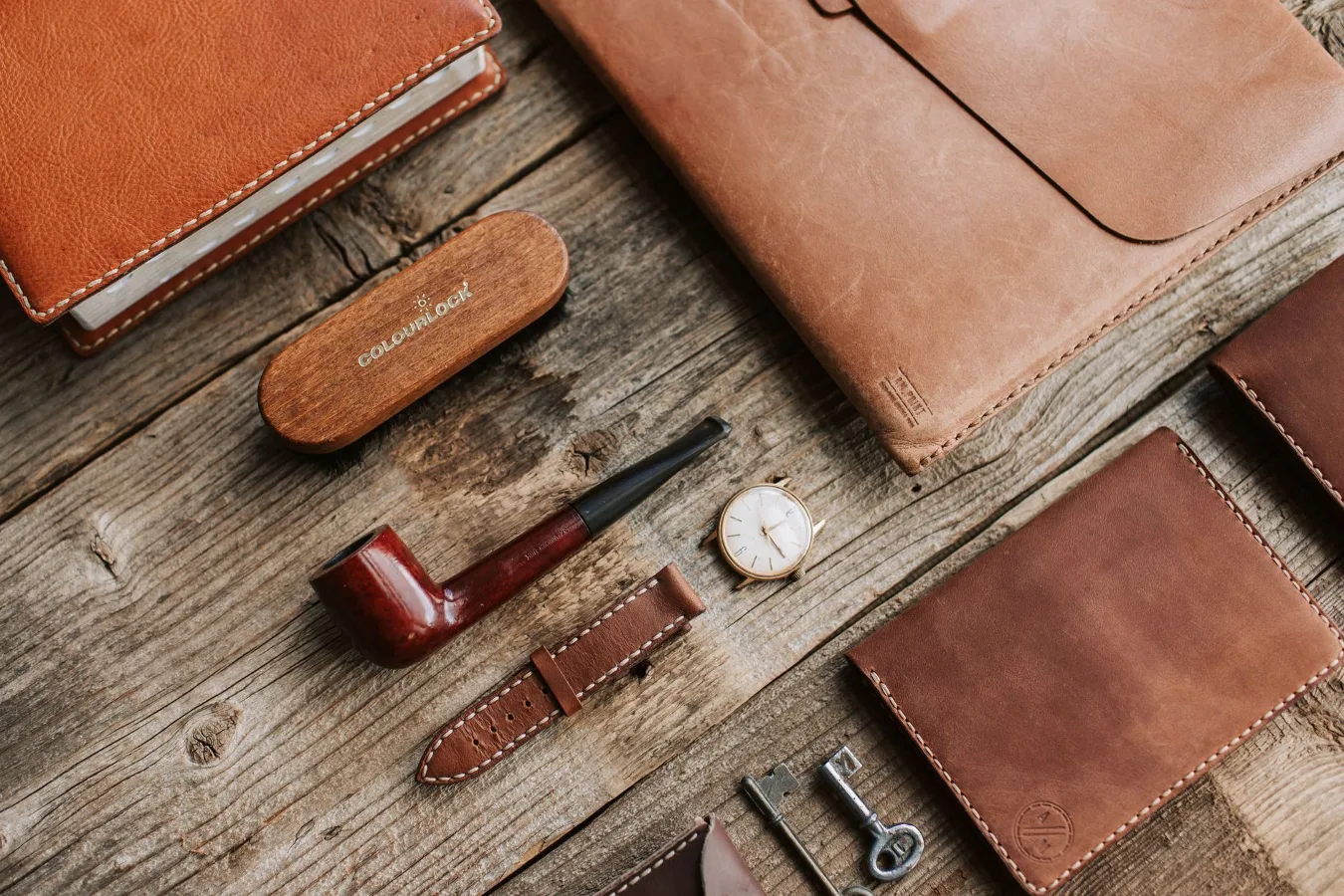
Handmade leather wallets for men are best for shoppers who want a wallet that feels more personal, wears in over time, and is built with more attention to materials and construction than many mass-market options. The appeal is not just style. It is the combination of leather choice, stitching, edge finishing, and layout that determines whether a wallet feels refined on day one and still works well after years of daily use. front pocket leather wallets for men offers more detail on this point. Custom Leather Wallets for Men: Buyer Guide offers more detail on this point. how to choose a men’s wallet offers more detail on this point.
If you are comparing options, the right wallet usually depends on how you carry cash and cards, how much bulk you can tolerate, and whether you care more about slimness, durability, or a traditional look. Handmade does not automatically mean better, but it often gives you more control over the details that matter.
When a handmade leather wallet makes sense
A handmade wallet is a strong choice if you want something that feels less disposable and more tailored to real use. It can be especially appealing if you prefer natural materials, like the way leather softens with wear, or want a wallet that develops character rather than simply looking older.
This category is also worth considering if you are shopping for a gift. A well-made leather wallet feels practical without being impersonal, and handmade options often offer a more distinctive look than standard retail accessories.
That said, handmade does not mean ideal for every buyer. If you need a very thin wallet for a tight front pocket, or you carry a large number of cards, some handcrafted designs may feel too rigid, too compact, or too slow to access. The best choice is the one that fits your daily routine, not just your aesthetic preference.
Step 1: Start with the leather type
The leather itself does much of the work, so this is the first factor worth evaluating. A wallet can be handmade and still use leather that is only average in feel or durability. The goal is to understand what the leather is supposed to do over time.
Full grain leather
Full grain leather is often favored for wallets because it keeps the outer layer of the hide intact. That usually means a more natural surface, a sturdier feel, and a patina that can become more attractive with use. It is a good match for buyers who want long-term value and do not mind some visual change over time.
Top grain leather
Top grain leather is also common and may offer a smoother, more uniform appearance. It can be a practical choice if you want a cleaner look or a slightly more refined finish, though it may not age quite the same way as full grain leather depending on how it is processed.
Vegetable-tanned leather
Vegetable-tanned leather appeals to buyers who like a traditional feel and a wallet that develops a richer patina gradually. It is often associated with craft-focused goods. The trade-off is that it may require more care and can react more noticeably to moisture and heavy use.
A common misconception is that a more rustic leather is automatically tougher. Texture alone does not tell you enough. Thickness, tanning method, edge finishing, and stitching all affect durability and daily comfort.
Step 2: Match the wallet style to how you carry
Style should come after use case. Many buying mistakes happen when a shopper chooses a wallet based on appearance alone and then discovers it does not fit their pockets, habits, or card load.
Bifold wallets
A bifold is a familiar option for men who carry a mix of cards and some cash. It usually offers enough organization without feeling overly complicated. If you prefer a classic profile and want a wallet that works in a jacket pocket or roomy trouser pocket, this is often the safest starting point.
Front pocket and slim wallets
Front pocket wallets are a better fit if you want to reduce bulk and keep your carry minimal. They are often easier to live with during travel, commuting, or long days seated at a desk. The compromise is capacity. If you overfill them, they can become difficult to use and may age unevenly.
Card holders and minimalist designs
Card holders work well if you rarely use cash and only want a few essential cards on hand. They can be the most compact choice, but they are not ideal for anyone who still wants separate bill storage, extra slots, or more structure.
If you are unsure, think about the wallet you actually use now. If it is already overcrowded, moving to a slimmer handmade design may improve comfort. If it is already too small, do not assume a minimalist style will solve the problem.
Step 3: Judge the construction, not just the look
Handmade wallets vary widely in build quality. Two wallets can use similar leather and look nearly identical in product photos, yet feel very different in daily use. Construction is where many of the real differences show up.
Stitching
Even, consistent stitching is one of the clearest signs of care. Uneven seams, loose threads, or visible strain at the corners can suggest weak points. Hand stitching can be attractive and durable, but the technique and consistency matter more than the label.
Edges and finishing
Cleanly finished edges improve comfort and help the wallet hold up to handling. Rough or unfinished edges can fray, pick up wear faster, or feel less refined in the hand. This is an overlooked detail because edge work is not always visible in polished product photos.
Cut and structure
A well-cut wallet should hold its shape without feeling stiff to the point of resistance. If the card slots are cut too tightly, the wallet may be frustrating at first and still remain awkward after break-in. If it is too loose, cards may slide too easily.
A practical nuance many buyers miss: a wallet that is built for a certain capacity often performs best when used at or near that capacity. An ultra-slim design can feel excellent if you follow its limits, but it may become uncomfortable if you treat it like a traditional bifold.
Step 4: Decide how much organization you really need
Organization is useful only if it matches your habits. More slots are not always better. Extra compartments can add thickness and make the wallet harder to live with.
- Minimal carry: A few cards and folded cash fit better in a slim wallet or card holder.
- Balanced carry: A bifold works well if you want a blend of storage and familiar layout.
- Frequent cash use: Look for a design with a bill compartment that is easy to access and not too compressed.
- Travel use: Consider a layout that keeps ID, primary cards, and backup cards separated enough to find quickly.
One common mistake is buying for “future needs” rather than real ones. A wallet that is perfect for a hypothetical expansion of your carry can become annoying today. If you rarely use receipts or loyalty cards, you probably do not need extra compartments.
Step 5: Think about comfort, pocket fit, and daily wear
The best wallet is one you do not notice too much during the day. Comfort matters more than many shoppers expect, especially if you carry your wallet in a back pocket, front pocket, or jacket pocket for long periods.
Thicker leather can feel substantial and durable, but it may also create more pocket bulk. Slimmer builds are easier to carry but may be less forgiving if you overload them. A shaped wallet with thoughtful tapering or a compact profile can make a big difference in everyday comfort.
Front-pocket carry deserves special attention. Even a stylish handmade wallet can feel inconvenient if it has sharp corners, thick layers, or stiff expansion points. If you sit for long stretches, slimmer profiles usually make more sense than heavy bifolds.
Step 6: Weigh style against long-term value
Handmade leather wallets often sell on style, but long-term value depends on how they age and whether the design still fits your life later. A wallet that develops a patina well and remains structurally sound can feel like a better buy than a flashier option that looks good only at the start.
Look for a balance of appearance and practicality. A highly decorative wallet may stand out, but if it is difficult to carry or maintain, it may not earn its place in your rotation. A simpler design often offers broader versatility, especially if you plan to use it every day.
Another overlooked factor is repairability. Some handmade wallets can be easier to maintain or recondition because they rely on straightforward construction and fewer glued or overcomplicated components. That can matter if you prefer keeping accessories in use rather than replacing them frequently.
What to expect from handmade craftsmanship
Handmade goods can have small variations that are part of their appeal. Slight differences in grain, color tone, or stitching character are normal in leather accessories. The question is whether those variations look intentional and well handled, or simply inconsistent.
Buyers sometimes assume handmade means every detail will be flawless. That is not a realistic expectation. Instead, look for signs of deliberate workmanship: balanced proportions, tidy stitching, thoughtful pocket layout, and materials that match the product’s intended use.
Handmade also does not guarantee premium leather. Craft and material quality are related, but they are not the same thing. A carefully made wallet with modest leather may still be a better value than a flashy one made from less suitable material choices.
How to compare options before you buy
If you are narrowing down handmade leather wallets for men, compare them using a simple decision process rather than trying to judge everything from a single photo.
- Identify your carry style. Decide whether you need a bifold, a slim wallet, or a card holder.
- Check the leather type. Think about how you want it to age and how much care you are willing to give it.
- Review the layout. Make sure the slots, bill section, and ID access match your habits.
- Inspect the construction cues. Look for stitching quality, edge finishing, and sensible proportions.
- Consider pocket comfort. Ask whether it will feel good after hours of daily wear.
- Think about maintenance. Choose a wallet you can realistically keep looking good.
Examples of buyer priorities
Different shoppers should prioritize different details. A good wallet for one person can be the wrong wallet for another.
- For the minimalist: A slim front pocket wallet with a few card slots and compact dimensions may be the best fit.
- For the traditional dresser: A classic bifold in full grain or vegetable-tanned leather offers familiar styling and everyday utility.
- For a gift buyer: A handmade wallet with clean craftsmanship and a timeless silhouette usually feels safer than an overly trendy design.
- For frequent travelers: A layout that keeps essential cards accessible without adding bulk can be more useful than a larger, heavier wallet.
These use cases matter because the best wallet is less about prestige and more about fit. The same design can be a perfect daily companion for one man and a poor match for another.
Care and maintenance basics
Leather wallets generally improve with sensible care, but they still need some attention. Keep the wallet dry when possible, avoid stuffing it beyond its intended capacity, and store it away from prolonged heat or direct sunlight when not in use.
If the leather is more natural or less heavily finished, it may show marks and color changes sooner. For many buyers, that is part of the appeal. If you prefer a more uniform appearance, choose a finish and color that hides wear more easily.
Cleaning should be gentle. Harsh products can damage the surface or alter the finish. For more specific leather care, it helps to follow the maker’s guidance rather than applying a one-size-fits-all routine.
Checklist before you order
- Do I want a bifold, slim wallet, or card holder?
- Will it fit my pocket carry habits?
- Does the leather type match how I want it to age?
- Is the stitching neat and consistent?
- Are the edges finished cleanly?
- Does the layout fit my real card and cash use?
- Will I be comfortable carrying it every day?
- Am I choosing for style, function, or both?
FAQ
Are handmade leather wallets better than factory-made wallets?
Not always, but handmade wallets often offer more attention to construction details and material selection. The advantage depends on the maker, the leather, and the design, so quality still needs to be evaluated case by case.
What leather type is best for a men’s wallet?
Full grain leather is often preferred for durability and aging character, while top grain leather can offer a smoother look. The best choice depends on whether you value natural patina, uniform appearance, or easier maintenance.
Should I choose a bifold or a slim wallet?
Choose a bifold if you want a familiar layout and more room for cards or cash. Choose a slim wallet if comfort, pocket fit, and minimal carry matter more.
How do I know if a handmade wallet will last?
Look at the quality of the leather, stitching, edges, and overall construction. A simple design with solid materials is often a better sign of durability than a wallet with extra features and no visible build quality cues.
Do leather wallets need special care?
They need basic care, not complicated routines. Avoid overstuffing, keep them dry when possible, and clean them gently according to the maker’s guidance.
Choosing the right wallet for your routine
The best handmade leather wallet for men is the one that fits your everyday carry, feels comfortable in your pocket, and uses materials that age in a way you actually like. If you want a wallet that looks sharp on day one and becomes more personal over time, handmade options can be a strong fit. If your priorities are maximum capacity or ultra-light carrying, the more practical choice may be a simpler slim wallet or card holder.
That trade-off is the real decision point: choose the design that supports your habits, not the one that looks best in isolation. A well-chosen wallet should feel easy to use, durable enough for routine wear, and appropriate for the way you actually live.