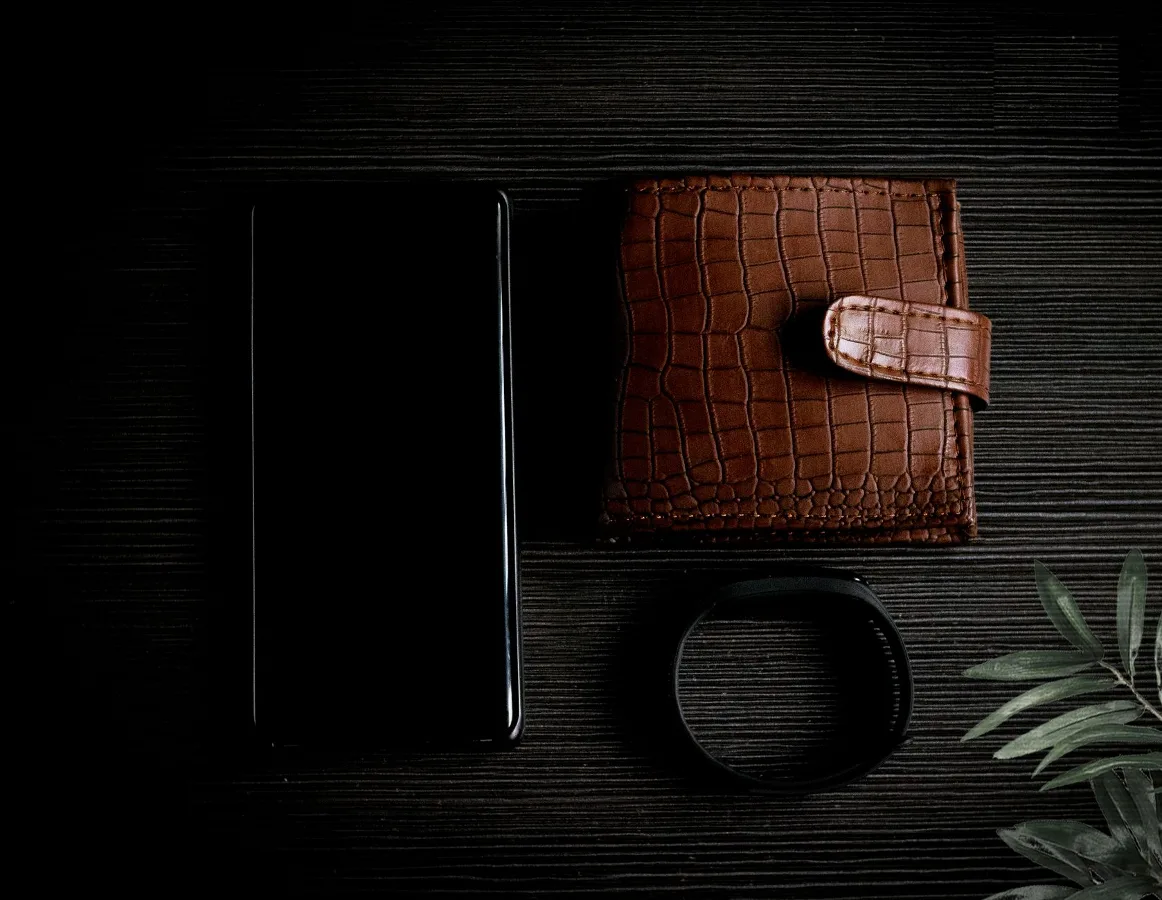
Custom leather wallets for men are a strong choice if you want an everyday accessory that feels personal without being flashy. They work well as gifts, business accessories, and long-term carry items, but the best option depends on more than the monogram or engraving. Leather type, wallet format, personalization method, and how much the wearer actually carries all matter. men’s accessories buying guide offers more detail on this point. Unique Wallets for Men: A Buyer’s Guide offers more detail on this point. how to choose leather accessories offers more detail on this point.
If you are shopping for one, the simplest way to think about it is this: start with the use case, then narrow the material and layout, and only then choose the custom details. That order helps avoid a common mistake—picking a wallet for its appearance alone and ending up with something too bulky, too delicate, or awkward for daily use.
What makes a custom leather wallet worth considering?
A custom leather wallet is appealing because it combines utility with personalization. Unlike a generic wallet, it can reflect a name, initials, date, or another subtle detail that makes it feel more deliberate. That makes it especially useful for gifting, but it can also be a smart self-purchase if you want something that feels less replaceable than a mass-market accessory.
The main value is not just aesthetics. A well-chosen leather wallet can age gracefully, soften over time, and develop character with use. That said, leather wallets are not all the same. Some are made for a slim front-pocket carry style; others are built for more storage and traditional organization. Customization adds another layer, but it does not compensate for a poor base design.
Start with the carry style, not the personalization
The biggest decision is how the wallet will be carried day to day. This is the part that often gets overlooked, especially when the wallet is being bought as a gift.
Bi-fold wallets
Bi-folds are the familiar classic. They usually offer a balance of card slots, cash storage, and a familiar shape that fits most wardrobes. They are a sensible choice for men who still carry a little cash, multiple cards, and perhaps an ID window.
The trade-off is thickness. A bi-fold can become bulky if loaded heavily, and some custom versions become less comfortable in a back pocket once they are filled.
Tri-fold wallets
Tri-fold wallets provide more capacity, but they are typically less streamlined. They suit someone who wants more compartments and does not mind extra thickness. For a custom leather wallet, this format can work well as a gift if the recipient prefers structure over minimalism.
The downside is practical: more folds usually mean more bulk. That can matter if the wallet is carried every day in fitted pants or in a front pocket.
Front-pocket and slim wallets
Slim wallets and front-pocket designs have become popular because they encourage lighter carry. They work well for men who mainly use cards and only occasionally carry cash. A custom leather wallet in this format is often the most versatile for modern everyday use.
The limitation is capacity. If someone regularly carries receipts, many cards, loyalty cards, or cash, a slim wallet may feel restrictive. That does not make it worse; it just means the format should match the habits of the user.
Card holders
Card holders are the most minimal option. They are a good fit for people who want a refined, compact accessory and do not need room for much else. Customization can look especially clean on a card holder because the surface is smaller and the design feels restrained.
They are less ideal for people who still want a place for folded bills or extra organization. A common misconception is that a smaller wallet is automatically better. In reality, the right wallet is the one that matches the person’s carry pattern.
Leather quality matters more than the custom detail
Personalization gets the attention, but the leather determines much of the long-term experience. Different leather types affect feel, appearance, aging, and maintenance.
Full-grain leather
Full-grain leather is often preferred for higher-end wallets because it keeps more of the natural grain. It tends to develop character over time and is generally associated with a more premium feel. For custom leather wallets, this can be an especially good choice if the goal is a wallet that ages well rather than one that looks pristine forever.
It may also show marks and wear in a more visible way than heavily finished leather. Some people like that; others prefer a more uniform appearance.
Top-grain leather
Top-grain leather is another common option. It is usually more uniform in appearance and can feel smoother out of the box. Many buyers prefer it because it balances refinement with practicality.
If you want a personalized wallet that looks polished right away, top-grain leather can be a sensible middle ground. The trade-off is that it may not develop the same rugged patina some shoppers expect from full-grain leather.
Genuine leather
The term genuine leather is widely used, but it is not very descriptive on its own. It can indicate a wide range of quality levels, so the phrase should not be treated as a guarantee of durability or finish. For custom wallets, genuine leather can still be acceptable, but the construction and reviews of the maker matter even more.
If you are choosing between options, do not let the label alone make the decision. Look at stitching, edge finishing, lining, and overall construction.
How personalization is usually done
The custom part can be subtle or prominent. The best method depends on whether the wallet is meant to feel classic, modern, sentimental, or formal.
- Debossed initials create a recessed, understated look that works well on traditional leather.
- Embossed details raise the lettering for a more visible effect.
- Laser engraving can allow finer detail, though the appearance depends on the leather and finish.
- Foil stamping adds contrast and can feel more decorative, but it is not the most understated option.
For many men’s wallets, less is more. Small initials, a short name, or a discreet date usually age better stylistically than large decorative text. A busy layout can make even a good wallet feel more like a novelty item than a refined accessory.
Look at construction details that affect daily use
Even a well-designed leather wallet can disappoint if the construction is weak. These details matter because a wallet is handled constantly, bent, stuffed, and pulled from pockets repeatedly.
Stitching
Stitching should look even and secure. Loose or uneven stitching may indicate a wallet that will age poorly, especially at stress points near folds and card slots.
Edges and finishing
Clean edges make a wallet feel more refined and can improve durability. Rough or unfinished edges may fray or wear unevenly over time.
Card slot tension
Some wallets are too tight at first, while others are too loose. A wallet should hold cards securely without making them difficult to remove. This is a small detail, but it affects everyday satisfaction more than many shoppers expect.
Cash storage
If the wearer still carries bills, check whether there is a full bill compartment, a money clip, or a simpler folded cash pocket. Do not assume every custom wallet handles cash the same way.
Choose the right wallet for the person, not just the occasion
Custom leather wallets are often bought as gifts, and gift purchases can be tricky because style is personal. A wallet that looks elegant in a product photo may not fit the recipient’s habits.
Here is a practical way to match the wallet to the user:
- For someone who carries a lot: choose a bi-fold or a more structured wallet with enough slots and a secure cash section.
- For someone who prefers minimal carry: pick a slim wallet or card holder that stays flat in a pocket.
- For someone with a classic style: a dark leather bi-fold with subtle initials is usually a safe choice.
- For someone who likes modern accessories: a slim silhouette with clean engraving can feel more current.
An overlooked consideration is pocket behavior. Some men dislike wallet bulk more than they dislike running out of slots. If the wallet will be carried in a front pocket, the silhouette matters as much as the material.
How to balance style and practicality
It is easy to overvalue appearance when shopping for a custom wallet. But the best options usually strike a balance between form and function. If the leather is beautiful but the wallet is awkward to open, too thick, or poorly organized, the novelty wears off quickly.
A practical wallet should answer a few basic questions:
- Does it fit the number of cards the person actually carries?
- Will it work in a front pocket, back pocket, or bag?
- Is there room for cash or an ID if needed?
- Will the personalization still look good after regular wear?
That last point is easy to overlook. Some custom treatments are more discreet and age gracefully, while others can look dated once the wallet starts showing natural wear.
Common mistakes to avoid
A few buying mistakes show up again and again with personalized leather wallets.
- Choosing the wrong size format. A thick wallet may not suit someone used to a slim carry style.
- Prioritizing personalization over construction. A monogram cannot make up for weak stitching or poor leather quality.
- Ignoring the recipient’s habits. The best wallet for one person can be inconvenient for another.
- Overcrowding the design. Too many initials, symbols, or decorative elements can make a wallet feel less timeless.
- Assuming all leather behaves the same. Different leather types age and wear differently, so expectations should match the material.
When a custom leather wallet is not the best choice
There are cases where a custom leather wallet may not be the most practical option. If the recipient is highly minimal and already uses a very small card holder, adding extra leather capacity may be unnecessary. If they prefer synthetic materials for easy cleaning or moisture resistance, leather may not suit their routine. And if the person changes wallets often, customization may have less long-term value.
In those cases, a simpler card holder, an uncustomized leather wallet, or another accessory such as a key case or valet tray may be a better fit. Customization works best when the recipient is likely to keep and use the item regularly.
How to make a smarter shortlist
If you are comparing options, use this order to narrow things down:
- Decide the carry style. Slim, bi-fold, tri-fold, or card holder.
- Choose the leather level. Full-grain, top-grain, or a more basic leather if budget is a concern.
- Pick the personalization method. Keep it subtle unless the recipient likes a stronger statement.
- Check the practical details. Stitching, slot count, cash storage, and dimensions matter.
- Match the tone to the user. Classic, modern, or gift-focused.
This approach helps you avoid getting distracted by surface-level features. A wallet should be comfortable to use every day, not just attractive in photos.
Final buying guidance
The best custom leather wallets for men are the ones that fit the wearer’s real habits and still look good after repeated use. For most shoppers, the sweet spot is a well-made bi-fold or slim wallet in good leather with restrained personalization. That combination is versatile, giftable, and less likely to feel dated.
If you are buying for yourself, be honest about what you carry. If you are buying for someone else, choose a design that is flexible rather than overly specific. A thoughtful custom wallet should feel personal, but it should also make daily carry easier, not more complicated.
That balance is what separates a meaningful accessory from a short-lived impulse buy.