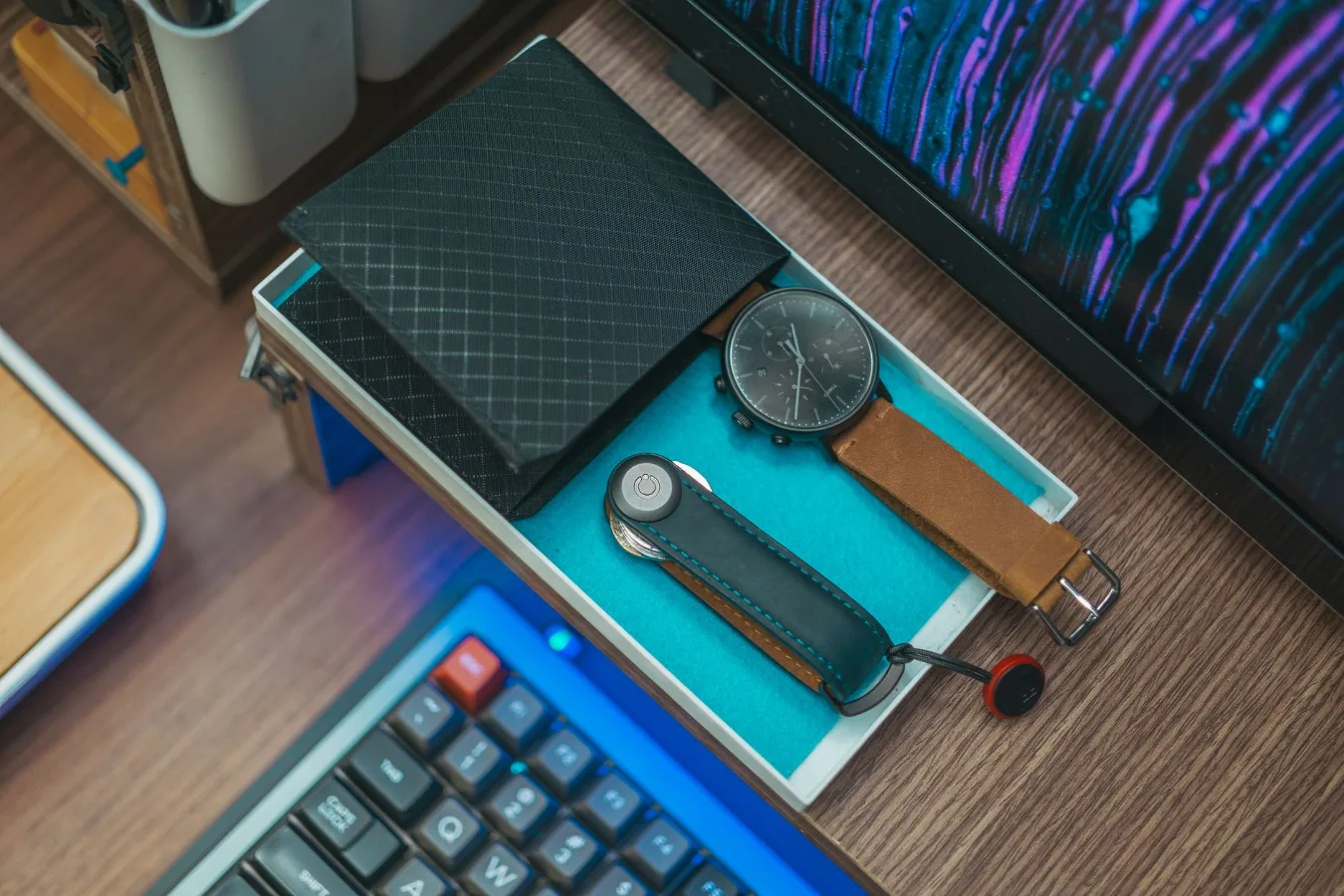
If you want a wallet that feels more organized, easier to carry, and less bulky in a pocket, tactical wallets for men are usually the right place to start. The category covers a range of designs, from slim aluminum card holders to rugged bifolds, but the core idea is the same: a wallet that prioritizes durability, compact carry, and practical access over traditional bulk. practical alternatives to bulky bifolds offers more detail on this point.
The best tactical wallet is not automatically the toughest-looking one. It is the one that fits how you actually carry cards, cash, ID, and maybe a few extras. For many buyers, that means a front-pocket wallet with a slim profile. For others, it means a wallet with a secure cash strap, an integrated money clip, or a more structured layout that still stays manageable. how to choose a slim everyday wallet offers more detail on this point.
Who tactical wallets are best for
Tactical wallets make the most sense for men who want a wallet that holds up to daily use without getting sloppy or oversized. They are especially useful if you prefer front-pocket carry, commute with a few essential cards, or want a cleaner setup than a stuffed bifold.
- Minimalist carriers who only need a few cards and some folded cash
- Commuters and travelers who want easy access without digging through a bulky wallet
- People who sit a lot during the day and want less pocket bulk
- Men who value durable materials such as aluminum, stainless steel, carbon fiber, or reinforced leather
- Anyone building an everyday carry setup around compact, functional accessories
They are less ideal for anyone who routinely carries receipts, many business cards, coins, loyalty cards, or other paper items. In that case, a tactical-style wallet may still work, but you will want to pay close attention to capacity and layout rather than assuming all tactical wallets are interchangeable.
The core trade-offs to think through
Tactical wallets are usually designed to solve one problem: too much bulk. That benefit comes with compromises.
Compact carry versus storage space
The more compact the wallet, the easier it is to carry. The trade-off is obvious: a very slim wallet may be excellent for a few cards and folded bills, but frustrating if you need to carry more than that. Many buyers overestimate how much they want to slim down, then realize they still need room for an ID, a debit card, a transit card, a license, and emergency cash.
Speed versus security
Some tactical wallets make cards very easy to access. Others focus on retention, using tighter slots, thumb-notches, or layered construction to keep cards from shifting. Easier access can be convenient, but if the wallet is too open, cards may slide out more easily in a bag, car seat, or front pocket. The best design balances both.
Rugged materials versus everyday comfort
Metal and composite wallets can feel tough and reassuring, but they may also feel sharper in the pocket or less forgiving against your leg when sitting. Leather and fabric-based designs are often more comfortable, though they may not feel as rigid or weather-resistant. The right choice depends on whether you value a harder shell, a softer carry feel, or a middle ground.
Material and construction factors that matter most
If you are comparing tactical wallets for men, material is one of the clearest predictors of how the wallet will feel and age. It also affects weight, pocket comfort, and how much structure the wallet keeps over time.
Metal wallets
Aluminum and other metal wallets are common in the tactical category because they are slim, structured, and durable. They tend to resist stretching and keep their shape well. That can be useful if you want consistent card retention and a tidy profile. The downside is that metal wallets can feel less forgiving in the pocket and may show wear on finishes over time.
Carbon fiber and composite designs
Composite wallets often aim to offer a lightweight, rigid feel with a more technical look. They appeal to buyers who want something modern and minimal. A practical consideration here is that appearance can be misleading: a wallet that looks high-tech is not always more functional than a simpler design. Pay attention to how cards are held, how cash is stored, and whether the construction feels easy to live with.
Leather tactical wallets
Leather remains a strong option for men who want a more traditional feel but still want a streamlined wallet. Some tactical-style leather wallets include cash straps, ID windows, and slim card layouts. Compared with metal wallets, leather may feel warmer, softer, and more flexible. It may also develop character over time, though it usually needs more care if you want it to look clean and structured. Brown Leather Wallets for Men: A Buyer’s Guide offers more detail on this point.
Fabric and hybrid builds
Some tactical wallets use fabric, webbing, elastic, or mixed materials. These can be useful for lighter carry or modular layouts. The trade-off is that they may rely more on stitching, tension, or elastic wear points, so construction quality matters a lot. If a wallet depends on elastic retention, look closely at whether it seems likely to loosen with regular use.
Features worth prioritizing before you buy
A lot of tactical wallet marketing focuses on look and toughness, but the most important features are the ones that affect daily use.
Card capacity
Start with the number of cards you carry most days, not the number you carry on rare occasions. A wallet that seems fine at first can become annoying if it is always stretched to capacity. Some wallets are best with a very small loadout, while others are better if you carry several cards and want a more traditional arrangement.
Cash storage
Think about whether you carry bills daily or only occasionally. A cash strap keeps things slim and light, while a money clip gives quick access but can add stiffness or pressure depending on the design. A bifold-style tactical wallet may handle cash more naturally, but it may also add bulk. If you use cash rarely, do not over-prioritize cash storage at the expense of size.
RFID blocking
RFID-blocking wallets are often marketed as a key tactical feature. For some buyers, that provides peace of mind. For others, it is not essential. The more important question is whether the wallet protects cards without making access awkward. RFID protection can be useful, but it should not be the only reason you buy a wallet.
ID access
An ID window or quick-access slot is practical for drivers, travelers, and anyone who shows identification often. A common mistake is assuming every wallet needs this feature. If you rarely pull out your ID, a dedicated slot may just take up space that could be used more effectively for the cards you use every day.
Retention and card access
Good retention keeps cards secure, but overly tight retention can make the wallet annoying to use. This is one of the most overlooked considerations. A wallet that requires too much effort to remove a single card may be secure, but it can also be inconvenient during checkout. Look for a design that lets you access the most-used card quickly while keeping the rest protected.
Choosing the right style for your carry habits
The best tactical wallet for men depends less on style labels and more on how you move through the day. Use-case matters.
- Front-pocket carry: Best for minimal bulk and easier access. Look for a slim, smooth profile with rounded edges.
- Back-pocket carry: More traditional, but usually less comfortable with rigid wallets. If you sit a lot, this is where slimness becomes especially important.
- Travel carry: A wallet with organized slots and reliable retention is useful for tickets, IDs, and extra cards, though you may want a separate travel organizer if you carry many documents.
- Work carry: If you need to show an ID or access a badge often, prioritize speed and layout over ultra-minimal size.
One common misconception is that tactical wallets are always better because they look tougher. In practice, the best wallet is often the one that disappears in your pocket and still keeps everything where it belongs.
Common mistakes buyers make
Many wallet purchases go wrong for the same few reasons. Avoiding these mistakes usually matters more than choosing a flashy material.
- Buying for appearance instead of carry habits. A wallet that looks sleek online may feel awkward once loaded with real cards and cash.
- Ignoring pocket comfort. Stiff edges, clips, or protruding hardware can become irritating over a long day.
- Overloading a minimalist wallet. Tactical wallets are not meant to solve every storage need. Too many cards can cause stretch, jamming, or poor closure.
- Assuming RFID is a must-have. It can be useful, but it should not outweigh fit, access, and comfort.
- Forgetting about daily maintenance. Dust, lint, moisture, and worn finishes can affect how a wallet feels over time.
How to compare options quickly
If you are narrowing down choices, a simple comparison framework helps:
| What to compare | What to look for | Why it matters |
|---|---|---|
| Size | Fits your pocket without printing or bulk | Improves comfort and everyday carry |
| Card access | Easy reach for the card you use most | Speeds up checkout and daily use |
| Cash handling | Strap, clip, or bifold layout | Determines whether cash stays flat and secure |
| Material | Metal, leather, composite, or hybrid | Affects durability, feel, and weight |
| Retention | Secure but not overly tight | Prevents loss without creating frustration |
| Comfort | Smooth edges and pocket-friendly shape | Matters more than many buyers expect |
Practical alternatives if tactical wallets are not the best fit
Not every man needs a tactical wallet. Depending on your routine, another accessory may work better.
- Slim bifold wallets are better if you need a more familiar layout and moderate capacity.
- Card sleeves are useful for ultra-light carry, though they offer less organization.
- Money clips can be ideal if you carry mostly cash and only a few cards.
- Travel wallets are better if you need room for passports, tickets, and documents.
If you want a broader view of accessory choices, it can help to compare tactical wallets with other everyday carry accessories and see which items solve a real problem in your routine.
What to do after you narrow down your choice
Once you know the wallet style you want, focus on the basics that determine long-term satisfaction. Check whether the wallet fits your standard card load, whether the cash carry method suits you, and whether the material matches how you actually use accessories day to day. That usually tells you more than brand language or product photos.
If you are choosing between two similar wallets, default to the one that is simpler to use and more comfortable in your preferred pocket. A tactical wallet should reduce friction, not create another item to manage.
FAQ
What makes a wallet tactical?
A tactical wallet usually emphasizes durability, compact carry, secure retention, and practical features like front-pocket use, card access, or RFID blocking. The exact design can vary widely.
Are tactical wallets good for everyday use?
Yes, if the wallet matches your normal carry load. They are often a strong choice for everyday use because they reduce bulk and keep essentials organized.
Do I need RFID blocking in a tactical wallet?
Not necessarily. It can be a useful feature, but it should be weighed against comfort, access, and capacity. Many buyers care more about pocket feel than RFID protection.
Which is better: a metal wallet or a leather tactical wallet?
Metal wallets usually feel more rigid and structured, while leather tactical wallets often feel softer and more traditional. The better choice depends on whether you value a hard shell or a more classic everyday feel.
How many cards should a tactical wallet hold?
Enough to cover your daily essentials without stretching the wallet or making access difficult. That number depends on your routine, but the best approach is to buy for your actual everyday load rather than a worst-case scenario.
If you want one simple rule for buying tactical wallets for men, use this: choose the smallest wallet that still carries your real daily essentials comfortably. That gives you the best balance of durability, convenience, and long-term use.