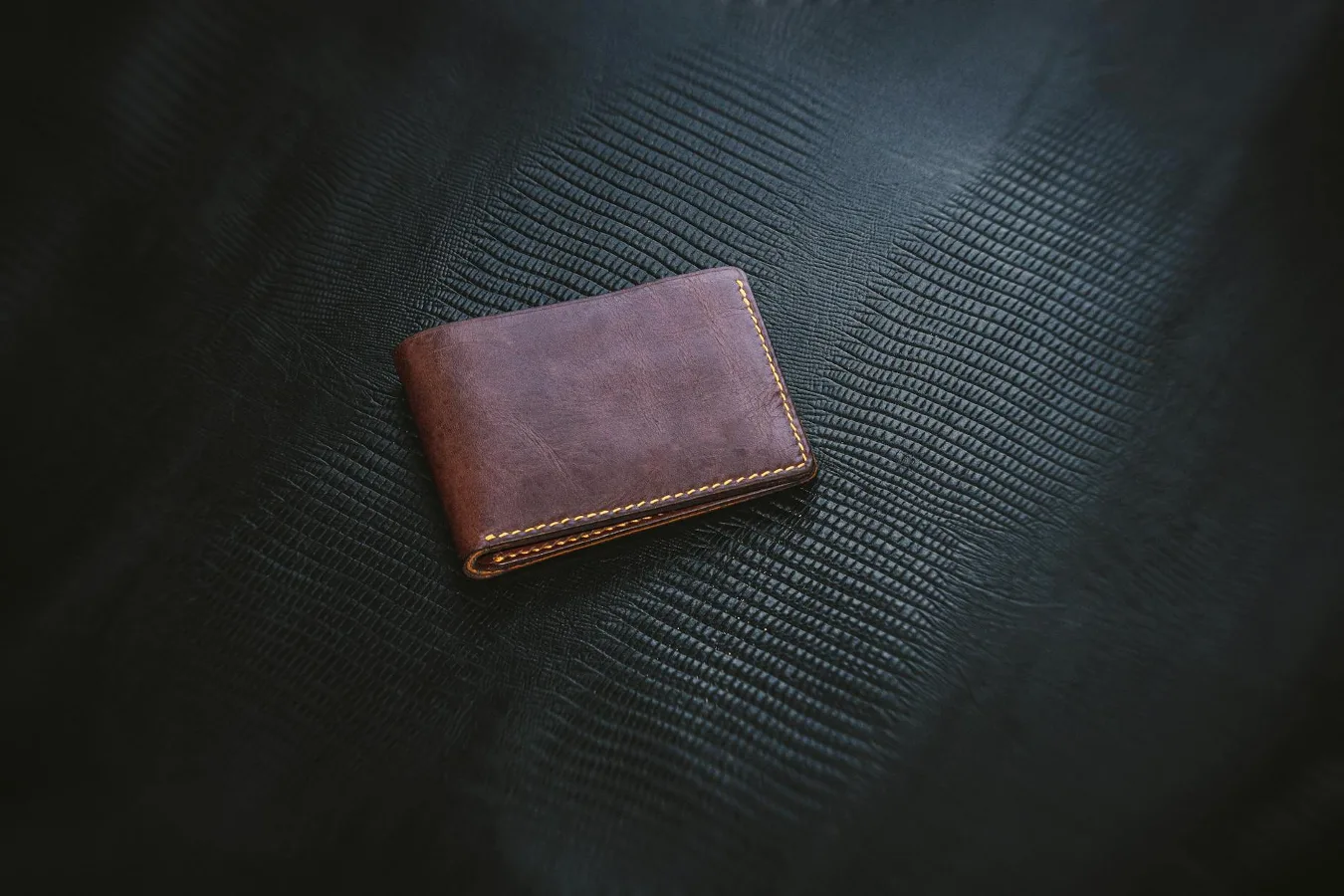
What slim RFID wallets for men are really for
Slim RFID wallets for men are designed for one job first: carrying the essentials without the bulk of a traditional wallet. That usually means a few cards, some folded cash, and a shape that sits more comfortably in a front pocket or a tighter jeans pocket. best front pocket carry options offers more detail on this point. how to choose a minimalist men’s wallet offers more detail on this point.
The RFID feature is there to help reduce the risk of contactless card skimming, but it should not be treated as the main reason to buy. For most shoppers, the real decision is about size, pocket comfort, organization, and material quality. If a wallet is too bulky, awkward to open, or poorly made, the RFID layer does not make it a good wallet.
That is why the best slim RFID wallet is usually the one that matches your daily carry, not the one with the longest feature list.
When a slim RFID wallet makes sense
This style works well if you prefer carrying less and want to avoid the back-pocket bulge that many traditional bifolds create. It is also a practical option for commuting, air travel, nights out, and anyone who wants a more streamlined silhouette.
A slim RFID wallet tends to make sense when:
- you carry only a few essential cards
- you want easier front-pocket carry
- you dislike thick wallet edges pressing against your leg or seat
- you want a cleaner setup for everyday carry
- you do not need a dedicated coin pocket or large receipt storage
It is less ideal if you routinely carry many loyalty cards, store receipts inside your wallet, or like a traditional fold that separates bills and cards more fully. A slim design often asks you to be more selective, which is part of the point.
Step-by-step criteria for choosing one
1. Start with your actual carry, not the wallet’s advertised capacity
A common mistake is shopping for the biggest slim wallet instead of the most realistic one. If you carry three cards most days, a wallet built for ten may still feel bulky once it is filled. A compact design that fits your real routine usually works better than extra slots you never use.
Think through what you carry on an ordinary day:
- primary debit or credit card
- photo ID
- one backup card
- some folded cash
- transit card, if needed
If you are carrying more than that, consider whether the extra items belong elsewhere. Many people move loyalty cards, membership cards, and rarely used cards into a digital wallet, phone case, or travel organizer.
2. Decide how much pocket comfort matters
For many buyers, comfort is the real upgrade. Slim wallets are often chosen because they reduce pressure and bulk, especially when seated for long periods. A wallet that is technically thin but rigid, boxy, or overly stiff may still feel intrusive in a front pocket.
Pay attention to shape as much as thickness. Rounded edges, a flexible body, and a low-profile construction often feel better than a rigid block, even if both wallets list similar dimensions. This is one of the most overlooked considerations in wallet shopping.
3. Match the layout to how you use cards
There is no single best layout. The right structure depends on whether you want quick access, tighter retention, or more separation between cards and cash.
- Card holder style: Best for minimal carry and quick access to a few cards.
- Slim bifold: Better if you still want a familiar folding format and room for folded bills.
- Money clip hybrid: Useful for users who carry cash more often and want a smaller footprint.
- Front-pocket wallet: Often emphasizes portability and comfort over storage depth.
If you use tap-to-pay often, you may not need a wallet with many slots at all. If you still rely on physical cards throughout the day, a little separation and easy access can matter more than shaving off a few millimeters.
4. Look closely at the RFID layer, but keep expectations realistic
RFID-blocking wallets are meant to interfere with unauthorized scanning of certain contactless cards. That can be reassuring, especially when traveling or carrying multiple payment cards. Still, the presence of RFID blocking should be viewed as a protective feature rather than a guarantee against every kind of card fraud.
For that reason, it is smart to think of RFID as one part of a broader security habit. Good card management, monitoring statements, and using contactless cards responsibly remain important. A wallet cannot replace basic financial caution.
Also, not every card uses the same technology in the same way. If you rely on transit cards, building access cards, or other tap-enabled cards, check whether the wallet design may interfere with the access you want. In some setups, that is a feature; in others, it becomes a daily nuisance.
5. Choose materials for durability, feel, and maintenance
Material choice affects more than appearance. It shapes how the wallet ages, how much structure it keeps, and how much attention it needs.
- Leather: A common choice for men who want a more traditional look, good hand feel, and a wallet that can soften over time. Quality varies widely, so stitching and finish matter.
- Metal: Often associated with a firmer, more rigid build. It can feel durable and secure, but may be less forgiving in a pocket.
- Synthetic materials: Often lighter and sometimes easier to maintain, though they may not develop the same character as leather.
The practical question is not which material sounds best in theory, but which one suits your use. If you want a wallet that looks polished with business attire, leather may be the easiest fit. If you want maximum structure and a very compact frame, a metal card holder may be more appropriate. If low maintenance matters most, a synthetic option may be easier to live with.
6. Check how cash is handled
Many slim wallets claim to handle cash, but not all do it well. Some rely on a simple center fold, while others use a clip, band, or exterior pocket. The wrong cash setup can make a slim wallet feel awkward in use even if the card storage is excellent.
Ask yourself whether you still carry bills often. If the answer is yes, make sure the wallet can hold folded cash securely without stretching out or becoming lopsided. If cash is rare in your routine, prioritize card access and compactness instead.
Examples of shopper profiles and the wallet style that fits them
Not every man needs the same kind of slim RFID wallet. A good match depends on daily habits more than style preference alone.
| Shopper profile | Likely best fit | Why it works |
|---|---|---|
| Light carrier | Card holder wallet | Keeps the footprint tiny while handling a few essentials |
| Traditional wallet user | Slim bifold | Feels familiar but reduces bulk |
| Frequent traveler | RFID-blocking front-pocket wallet | Convenient for quick access and easier pocket carry |
| Cash-aware user | Money clip hybrid | Balances folded bills with a lean profile |
| Style-focused buyer | Leather slim wallet | Often pairs well with workwear and dressier outfits |
This kind of matching matters because a wallet that looks ideal in a product photo can fail in daily use if it does not fit the way you move. The right wallet should feel almost invisible until you need it.
Trade-offs worth weighing before you buy
Slim RFID wallets solve some problems while creating others. That trade-off is normal, and it is better to expect it upfront.
- Less bulk, less storage: You gain comfort, but you may lose space for extra cards and receipts.
- Cleaner pockets, quicker pruning: Slim wallets encourage carrying only what matters, which is useful for many people but inconvenient if you like backups.
- More portability, less versatility: A smaller wallet is easier to carry, but not always as flexible as a larger bifold.
- Better pocket feel, different habits: You may need to adjust how you fold bills or which cards you keep on hand.
The biggest misconception is that “slim” automatically means “better.” A slim wallet is better only if it fits your routine. If you overstuff it, the whole point disappears quickly.
Common mistakes to avoid
Shoppers often focus on appearance and overlook how the wallet behaves after a few weeks of use. That is where problems show up.
- Buying for maximum capacity: A slim wallet packed to the limit stops feeling slim.
- Ignoring pocket shape: A wallet can be small on paper and still feel awkward if the corners are too sharp or the body is too stiff.
- Overlooking access speed: Some layouts look sleek but make it hard to retrieve the card you use most often.
- Assuming RFID protection solves every security concern: It is useful, but not a complete strategy.
- Forgetting your payment habits: If you use tap-to-pay heavily, your ideal layout may differ from someone who uses cards and cash equally.
A practical checklist for comparing options
Before buying, use a simple checklist to narrow your choices. It helps you compare wallets on practical grounds instead of letting marketing language do the work.
- Does it fit your actual daily card count?
- Will it sit comfortably in the pocket you plan to use most?
- Does the layout make your most-used card easy to reach?
- Can it carry cash the way you actually fold or store it?
- Does the material match your preferred balance of structure and flexibility?
- Will RFID blocking interfere with any cards you need to access quickly?
- Does the overall shape support the way you dress and travel?
If a wallet checks most of these boxes, it is probably a stronger buy than one with more slots or a more aggressive design.
Alternatives if a slim RFID wallet is not quite right
Some users discover that a slim RFID wallet is close, but not perfect. In that case, a few alternatives can solve the problem more effectively.
- Minimal card case: Best if you rarely carry cash and want the smallest possible footprint.
- Slim bifold without heavy structure: Good if you want a more traditional feel but still want reduced bulk.
- Money clip wallet: Works for people who keep cash on hand and want faster access to folded bills.
- Travel wallet: Better for trips, passports, tickets, and extra documents, though usually too large for daily pocket carry.
- Phone wallet case: Convenient for some users, though it can create its own bulk and compatibility concerns.
Choosing one of these is not a compromise. It is often the more practical move if your routine does not align with a slim RFID wallet’s strengths.
What to prioritize if you want one wallet to do the most
If you want a balanced option, focus on three things: a layout that matches your card count, a shape that feels good in pocket, and a material that suits how you dress and use the wallet. Those three factors usually matter more than the badge of RFID protection itself.
For many men, the best slim RFID wallet is the one that disappears into daily life. It should be easy to carry, quick to use, and restrained enough that you do not notice it until you need it. If you can find that balance, the wallet becomes a useful tool rather than just another accessory. men’s accessory buying guide offers more detail on this point.
That is the real standard to use while shopping: not whether the wallet looks slim in a photo, but whether it stays slim after your actual cards, cash, and habits are inside it.