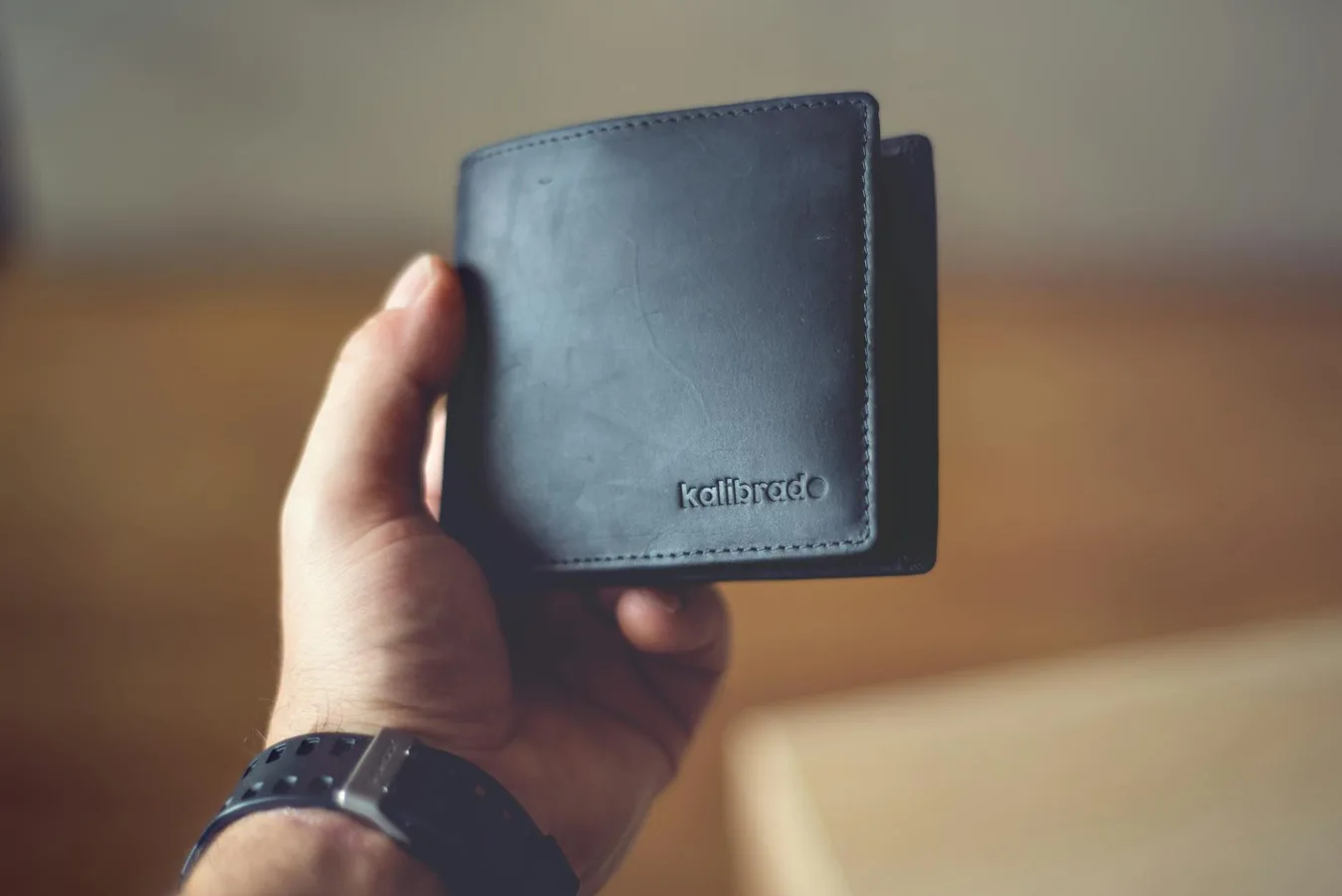
If you are shopping for wallets for men engraved, the real question is not just what looks good. It is which wallet will still feel useful after the novelty of the engraving wears off. A good engraved wallet should balance personalization, durability, and the way the recipient actually carries cash, cards, and ID. tactical wallets for men offers more detail on this point.
The best choice usually comes down to four things: wallet style, material, engraving method, and how the wallet will be used day to day. A slim front-pocket wallet may suit someone who carries only a few cards, while a bifold is often better for someone who still wants a traditional layout. The engraving should complement the wallet, not compete with it. how to choose a men’s wallet style offers more detail on this point.
Start with the buyer scenario
Most people looking for an engraved wallet are shopping for a gift first and a wallet second. That matters, because a personalized wallet has to do two jobs at once: it should feel thoughtful, and it should still work as an everyday accessory.
Think about who will use it. A college student, a commuter, a frequent traveler, and someone who prefers dressier accessories may all need different wallet shapes. A personalized wallet for men makes the most sense when the style matches the person’s habits. If he rarely carries cash, a bulky wallet can feel outdated fast. If he still likes carrying receipts, cards, and folded bills, an ultra-minimal design may frustrate him.
Engraved wallets are especially popular for birthdays, anniversaries, Father’s Day, weddings, and milestone gifts. In those situations, the personalization is often the point. But the most successful gifts usually solve a practical need too. That is why it helps to choose the wallet first, then the engraving.
What engraving changes, and what it does not
Engraving adds personal meaning, but it does not improve the wallet’s core construction. A wallet with weak stitching, stiff card slots, or poor leather will still feel like a mediocre wallet even if the initials look great. This is a common misconception: personalization does not make up for weak fundamentals.
Different engraving methods can create very different results. Laser engraving is often used for crisp initials, names, dates, or short messages. Debossing and embossing create a more tactile effect, especially on leather. Some wallets use metal plates or plaques instead of marking the material directly. Each method has trade-offs in appearance, permanence, and suitability for certain materials. leather wallet materials explained offers more detail on this point.
If the engraving is subtle, the wallet may feel timeless. If it is large or heavily decorated, it can lean more sentimental and less versatile. That may be perfect for a gift, but it is worth thinking about the recipient’s style before choosing a highly visible design.
Material choices matter more than the monogram
For an engraved wallet, material affects both the look of the personalization and the wallet’s long-term wear. Leather remains the most common choice because it tends to pair well with engraving, especially when the design is understated. It can also age in a way that feels personal rather than worn out, provided the quality is decent and the finish suits regular use.
Leather wallets vary widely. Full-grain and top-grain leather are often favored for a more substantial feel, while corrected-grain or coated finishes may look smoother but can be less characterful. Softer leathers may develop a patina over time, which can be appealing if the engraving is simple. If the wallet has a heavy finish or coating, though, some engraving styles may not show as clearly.
Non-leather options can also work well, especially if the recipient prefers a lighter or more modern look. Synthetic materials may be easier to maintain, but the engraved result depends on the product’s construction. A wallet that looks sleek in photos may still feel less durable over time than a well-made leather alternative.
Material trade-offs to weigh
- Leather: classic appearance, often best for personalization, but may require more care.
- Synthetic materials: easy to wipe clean, often lighter, but may not age as elegantly.
- Metal and hybrid wallets: modern and structured, but engraving placement and card access can be more limited.
Pick the wallet style before the personalization
The style of the wallet is just as important as the engraving. The right shape determines comfort, pocket fit, and how much the wallet can hold without becoming awkward.
Bifold wallets
Bifolds are a familiar choice for men who want a traditional layout. They usually offer room for several cards and some cash while still folding neatly into a back pocket or jacket pocket. For engraved gifting, bifolds often provide enough surface area for initials, a name, or a short message without looking crowded.
Slim wallets
Slim wallets suit minimalist carriers. They usually fit front pockets more comfortably and encourage carrying only essentials. If the recipient already dislikes bulky wallets, a slim design is often the safer choice. The trade-off is capacity: these wallets can feel restrictive if he carries many cards or folded bills.
Front-pocket wallets
Front-pocket wallets are popular with people who want comfort, reduced bulk, or a more modern everyday-carry setup. They can be a smart choice for commutes, travel, or long days on the move. The engraving area may be smaller, so the personalization needs to be restrained and well placed.
Money clips and hybrid wallets
Money clip hybrids or card holder styles work best for someone who carries very little. These can be strong gift options when the goal is a clean, contemporary look. Just be sure the recipient actually uses cash often enough to benefit from a clip, rather than finding it unnecessary.
Engraving placement is easy to overlook
One of the most overlooked details is where the engraving sits. Placement affects both appearance and wear. A mark on the exterior front may be immediately visible, which is great for gifting, but it may also show scuffs sooner. A discreet inside engraving can feel more personal and less exposed to daily abrasion.
Some buyers prefer initials on the outside and a date or message inside. That approach can keep the wallet elegant while still making it meaningful. If the recipient prefers understated accessories, a hidden engraving may be the better fit.
Also consider readability. Tiny lettering can look refined, but it may become hard to read if the wallet texture is pronounced or the surface is dark. A design that works on smooth leather may not translate well to pebbled leather or heavily textured materials.
How to evaluate practicality before buying
An engraved wallet should still function like a dependable everyday item. The most useful comparison points are not flashy. They are the things that affect daily convenience.
| Factor | What to look for | Why it matters |
|---|---|---|
| Card capacity | Enough slots for essentials without stretching | Overstuffed wallets wear out faster and feel uncomfortable |
| Cash storage | Room for folded bills if needed | Some recipients still use cash regularly |
| Pocket fit | Comfort in front or back pocket | Daily carry comfort affects whether the wallet gets used |
| Closure style | Open, snap, zipper, or clip | Controls accessibility and bulk |
| ID access | Clear window or easy-access slot if needed | Useful for drivers, travelers, and work ID use |
It helps to remember that more storage is not always better. A wallet designed to hold too much becomes bulky, especially after cards and receipts start piling up. For many men, a simpler layout is easier to live with.
Trade-offs to expect with personalized wallets
Personalized wallets are appealing because they feel special, but there are a few practical trade-offs to consider.
- Less flexibility: A highly personalized wallet may be harder to re-gift or repurpose later.
- Reduced resale value: Custom engraving is usually permanent, which can lower practical resale appeal.
- Potential style risk: If the engraving style is too decorative, the wallet may not suit everyday use.
- Longer lead time: Customization often adds processing time compared with a standard wallet.
None of these are dealbreakers, but they matter if you need the gift quickly or are unsure about the recipient’s taste. If you are uncertain, a subtle monogram or initials usually carries less style risk than a full-name design or a long message.
Common mistakes shoppers make
The most common mistake is choosing engraving before choosing the wallet type. That often leads to a wallet that looks personal but does not suit the recipient’s carrying habits.
Another mistake is ignoring material finish. A wallet may be described as leather, but the finish can affect how the engraving appears and how the wallet ages. A very glossy finish may feel dressy but show wear differently than a matte or natural leather surface.
People also forget to match the message to the occasion. A romantic quote might make sense for an anniversary, but initials and a date may feel more versatile for a birthday or graduation. If the gift is for a professional setting, an understated design usually works better than something elaborate.
Finally, do not overlook everyday comfort. A wallet that is too thick, too rigid, or too large may stay in a drawer instead of being used. For a gift, that is the outcome you want to avoid.
Who should choose subtle personalization
Subtle engraving is often the best route if the recipient values practicality, dresses conservatively, or prefers accessories that blend in rather than stand out. Initials, a short last name, or a discreet date can make the wallet feel personal without pushing it into novelty territory.
This is especially useful for office settings, travel, and formal occasions. A wallet that works in a suit pocket or blazer pocket should usually look restrained. Subtle personalization also tends to age better visually, because it does not compete with the wallet’s natural wear pattern.
When a different gift may be smarter
There are situations where an engraved wallet is not the best choice. If the recipient already carries a wallet he likes and does not plan to replace it, the gift may be redundant. If he prefers digital payments and carries almost nothing, a wallet can feel unnecessary.
In those cases, a different personalized accessory may be a better fit. Card holders, keychains, money clips, watch accessories, or other personalized men’s accessories can sometimes deliver the same thoughtful feeling with less risk of mismatch. The right gift is the one he will actually use.
What to do next before ordering
Before you buy, confirm the practical details. Check the wallet style, the material, the engraving method, and the amount of space available for the personalization. If the retailer offers preview options, use them to judge whether the engraving looks balanced rather than crowded.
Then consider the recipient’s daily habits. Does he carry cards only, or cards and cash? Does he prefer front-pocket carry? Does he like minimalist gear or traditional leather accessories? Those answers matter more than a decorative design choice.
If you want the safest route, choose a well-made wallet in a classic style and keep the personalization simple. If you want the gift to feel more distinctive, use a message or placement that reflects the occasion while staying readable and tasteful. That combination usually creates the best balance of usefulness and sentiment.
For shoppers building out a broader accessories gift strategy, it can also help to compare this option with other everyday carry pieces, especially if you are planning gifts around leather goods, travel accessories, or giftable men’s essentials. That way the wallet fits into a larger style story rather than standing alone as a novelty item.