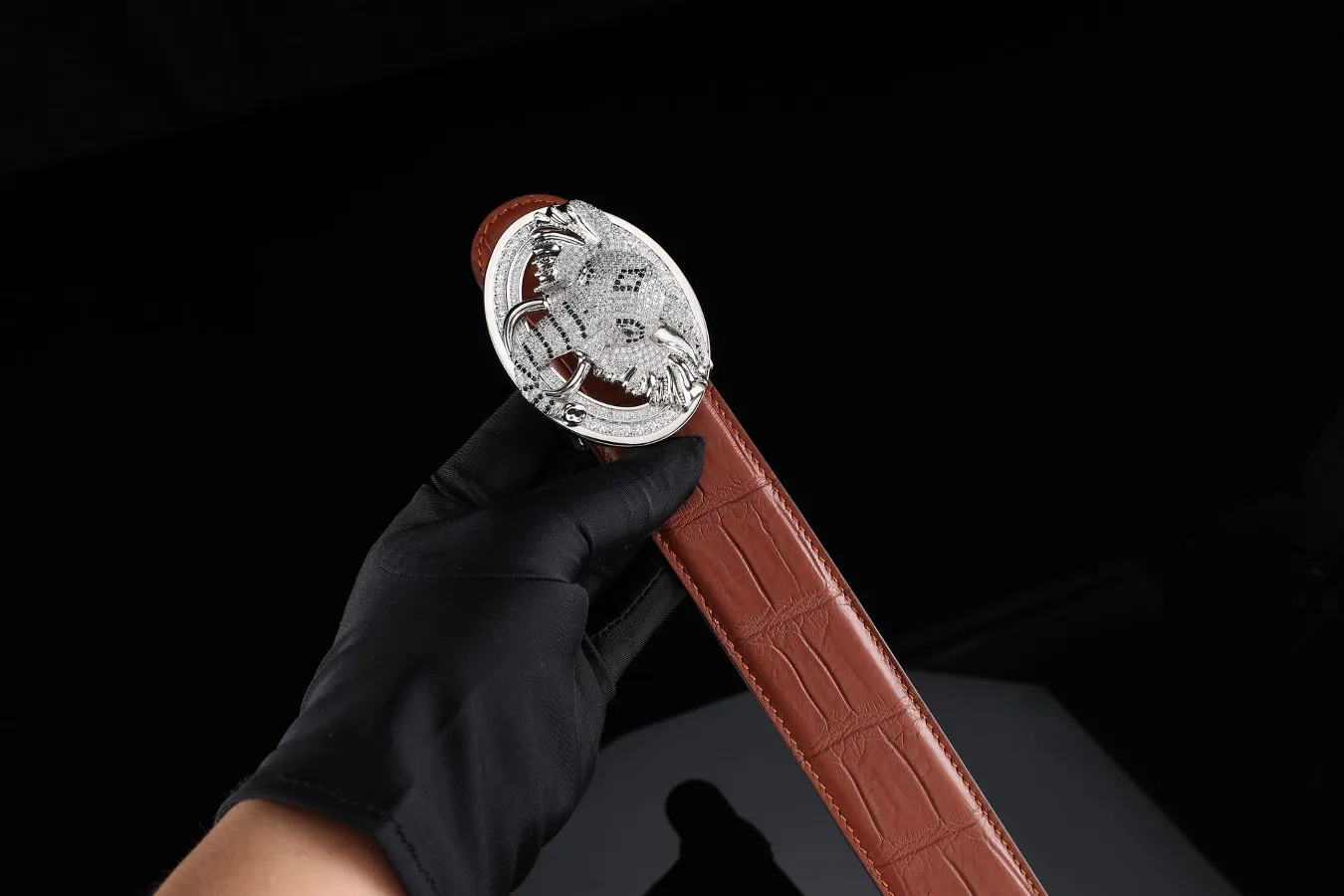
Wide belts for men are best understood as a style-and-function choice, not just a larger version of a standard belt. They can add visual weight, anchor casual outfits, and work especially well with jeans, workwear, and rugged tailoring. The key is choosing a width that fits the outfit, the belt loops, and your body proportions without looking bulky. best belts to wear with jeans offers more detail on this point. Brighton Belts for Men: A Smart Guide offers more detail on this point.
If you are shopping for one, start with the role the belt needs to play. A wide belt is usually less about subtle polish and more about presence: it can make a simple outfit feel more grounded, but it can also look out of place if the width is too aggressive for the trousers or too formal for the occasion.
Why wide belts appeal to many men
A wider belt does a few things at once. Visually, it creates a stronger line at the waist. Practically, it can feel more substantial and stable on heavier fabrics, denim, or utility-inspired clothing. For men who prefer straightforward, masculine accessories, that extra presence is often the main draw. Accessories guide offers more detail on this point.
Wide belts are also useful when you want the belt to be part of the outfit rather than disappear into it. That makes them especially relevant for casual looks, heritage-inspired outfits, western styling, and some smart-casual combinations. They are less about minimalism and more about definition.
Width matters more than most buyers expect
The most common mistake is treating width as a purely aesthetic choice. In reality, belt width affects comfort, compatibility, and appearance. A belt that is too wide may not slide cleanly through belt loops, may bunch at the waist, or may overpower slimmer pants. A belt that is too narrow may look flimsy on denim or larger frames.
A practical approach is to think in terms of balance. Wider belts usually pair better with sturdier fabrics, larger belt loops, and outfits that already have some visual weight. Slimmer trousers, dress pants, and refined tailoring usually call for a narrower profile.
Materials and construction deserve attention
For wide belts, material quality is especially noticeable because there is more surface area to see and feel. Leather remains the most versatile option, but not all leather belts behave the same. A well-made full-grain or top-grain leather belt typically has more structure and tends to age better than thinner, heavily processed alternatives. If you prefer a softer feel, some belts use layered construction, but the trade-off is often less long-term shape retention.
Stitching, edge finishing, and strap thickness matter too. A wide belt with weak stitching can start to curl, stretch unevenly, or look worn faster than expected. If the belt is meant for regular wear, especially with jeans or work pants, those construction details are worth more than a decorative buckle.
Common material choices
- Leather: the most versatile choice for durability and styling range
- Suede: softer visually, but less practical for rough daily wear
- Canvas or webbing: casual and functional, especially for outdoor use
- Synthetic materials: often budget-friendly, but quality varies widely
Buckle style changes the whole look
The buckle is not just hardware. On a wide belt, it becomes a focal point. A plain frame buckle keeps the look grounded and easy to wear. A larger or decorative buckle can push the belt toward western, workwear, or statement territory. That can be useful, but it also limits how often the belt will work across different outfits.
If you want a wide belt for everyday use, a simpler buckle is usually the safer choice. If the belt is meant to be the centerpiece of a specific style, such as western or rugged casual wear, a more distinctive buckle can make sense. The main question is whether you want the belt to blend in or stand out.
Fit and sizing are often overlooked
Many men focus on pant size and forget that belt sizing is not always identical. A good belt should leave enough tail after fastening without looking overly long, and it should fasten comfortably on one of the middle holes. That gives you room for weight changes and different layers, while keeping the belt visually balanced.
With wide belts, fit matters even more because stiffness can make a poor size feel worse. Too small, and the belt may pull awkwardly. Too large, and the extra length can look sloppy. If you are choosing between sizes, think about how you actually wear your clothes: tucked shirts, thicker denim, or seasonal layering can all affect the best fit.
Measure the way the belt will be worn
- Measure from the buckle end to the hole you use most often
- Account for thicker waistbands if you wear denim or work pants
- Leave room for seasonal layers if you plan to wear sweaters or flannels
- Check that the belt width fits your belt loops before buying
How to wear a wide belt with confidence
Wide belts work best when the rest of the outfit supports them. With jeans, they can look natural and intentional. With chinos, they may work if the fabric is sturdy and the overall outfit leans casual. With dress pants, a wide belt is usually harder to pull off because the proportions can feel too heavy.
That does not mean wide belts are only for casual clothing. They can work with certain boots, heavier jackets, chore coats, denim shirts, and relaxed tailoring. The trick is to keep the outfit visually coherent. If the trousers are sleek and refined, a wide belt may feel out of place. If the clothes already have structure, the belt feels like part of the same language.
Outfits that usually suit wide belts
- Dark denim and boots
- Workwear-inspired outfits
- Casual shirts with sturdy trousers
- Layered cold-weather looks
- Western or heritage styling
Comfort and daily wear trade-offs
Wider is not always more comfortable. Some men like the stabilizing feel of a broad belt, but others find it stiffer, warmer, or more noticeable when sitting for long periods. This is especially relevant if the belt has thick leather or a large buckle.
A practical compromise is to choose a wide belt that is substantial without being rigid. If you plan to wear it all day, especially for commuting or desk work, comfort and flexibility may matter more than a dramatic look. For occasional wear, a stiffer and more structured belt can be perfectly fine.
When a wide belt is a good choice
There are a few situations where wide belts make clear sense. If your wardrobe leans casual and you wear jeans often, a wider belt usually feels proportionate. If you need a belt that looks strong with boots, outerwear, or heavier fabrics, the added width can improve the outfit. And if you want the belt itself to function as an accessory rather than a background piece, wide belts offer that opportunity.
They are also useful for men who prefer accessories with visible structure. A wider belt can make a simple tee-and-jeans combination feel more finished without adding much complexity.
When a narrower belt is the better option
Wide belts are not the answer for every wardrobe. If most of your trousers are tailored, tapered, or dressy, a slimmer belt will usually look cleaner. The same is true if you prefer minimal, understated styling. A wide belt can become the loudest element in the outfit faster than expected.
Men with smaller belt loops, lightweight trousers, or a very streamlined style often get more mileage from a narrower belt. In other words, the best belt is not the widest one; it is the one that fits the clothes and the occasion.
Common mistakes to avoid
A few avoidable errors come up often when buying wide belts for men. The first is choosing a width that does not fit the loops on your pants. The second is picking a decorative buckle that dominates every outfit, even the simple ones. The third is assuming that any wide belt will work with any jeans or trousers.
Another common misconception is that a wide belt automatically looks more masculine or more stylish. It only works when the proportions are right. A well-sized, well-made narrower belt can look sharper than a poorly chosen wide one.
- Ignore belt loop width at your own risk
- Do not buy solely based on buckle appearance
- Avoid overly flashy hardware if you want versatility
- Do not assume one belt will cover every dress code
Practical buying checklist
If you want a wide belt that earns its place in your wardrobe, check the basics before focusing on style details. Look at the width, the material, the flexibility, the buckle, and how the belt will interact with your most-worn pants. A belt that works with two or three reliable outfits is usually a better purchase than one that only looks good in isolation.
| What to check | Why it matters |
|---|---|
| Width | Must fit belt loops and suit the outfit proportions |
| Material | Affects durability, flexibility, and visual texture |
| Buckle | Changes the formality and style direction |
| Size | Determines comfort and how polished the belt looks |
| Construction | Impacts shape retention and everyday longevity |
Alternatives if wide belts feel too bold
If you like the idea of a stronger belt but are unsure about going wide, there are sensible alternatives. A mid-width leather belt gives you more presence than a slim dress belt without moving fully into rugged territory. A textured belt can add visual interest while staying easier to pair. For some outfits, a better-fitting pair of pants or a more structured waistband may solve the problem without needing a statement belt at all.
That flexibility matters because accessories should support your wardrobe, not force it into a style you do not actually wear.
FAQ
What width counts as a wide belt for men?
There is no universal cutoff, but wide belts are generally considered broader than standard dress belts and are usually chosen for more casual or rugged outfits. The exact best width depends on your pants, belt loops, and personal style.
Are wide belts good for jeans?
Yes, jeans are one of the most natural matches for wide belts. Heavier denim and sturdier loops usually suit the added width better than dress trousers do.
Can you wear a wide belt with dress pants?
Sometimes, but it is usually harder to make work. Dress pants tend to look better with a slimmer, cleaner belt profile unless the outfit is intentionally relaxed or styled around heavier pieces.
How should a wide belt fit?
It should fasten comfortably on one of the middle holes, leave a reasonable amount of tail, and sit cleanly through the belt loops without forcing the fabric or bunching at the waist.
What is the most versatile type of wide belt?
A simple leather wide belt with restrained hardware is usually the most versatile. It works across more casual outfits and avoids locking you into a single style direction.
Choosing the right one for your wardrobe
The best wide belt for men is the one that fits your pants, matches your styling habits, and feels comfortable enough to wear often. If your wardrobe leans toward denim, boots, casual shirts, and layered outerwear, a wide belt can be a strong everyday accessory. If your clothes are more tailored, a narrower option may serve you better.
Think in terms of compatibility first and style second. That order usually leads to a belt you will actually wear, which is the real test of whether it belongs in your wardrobe.