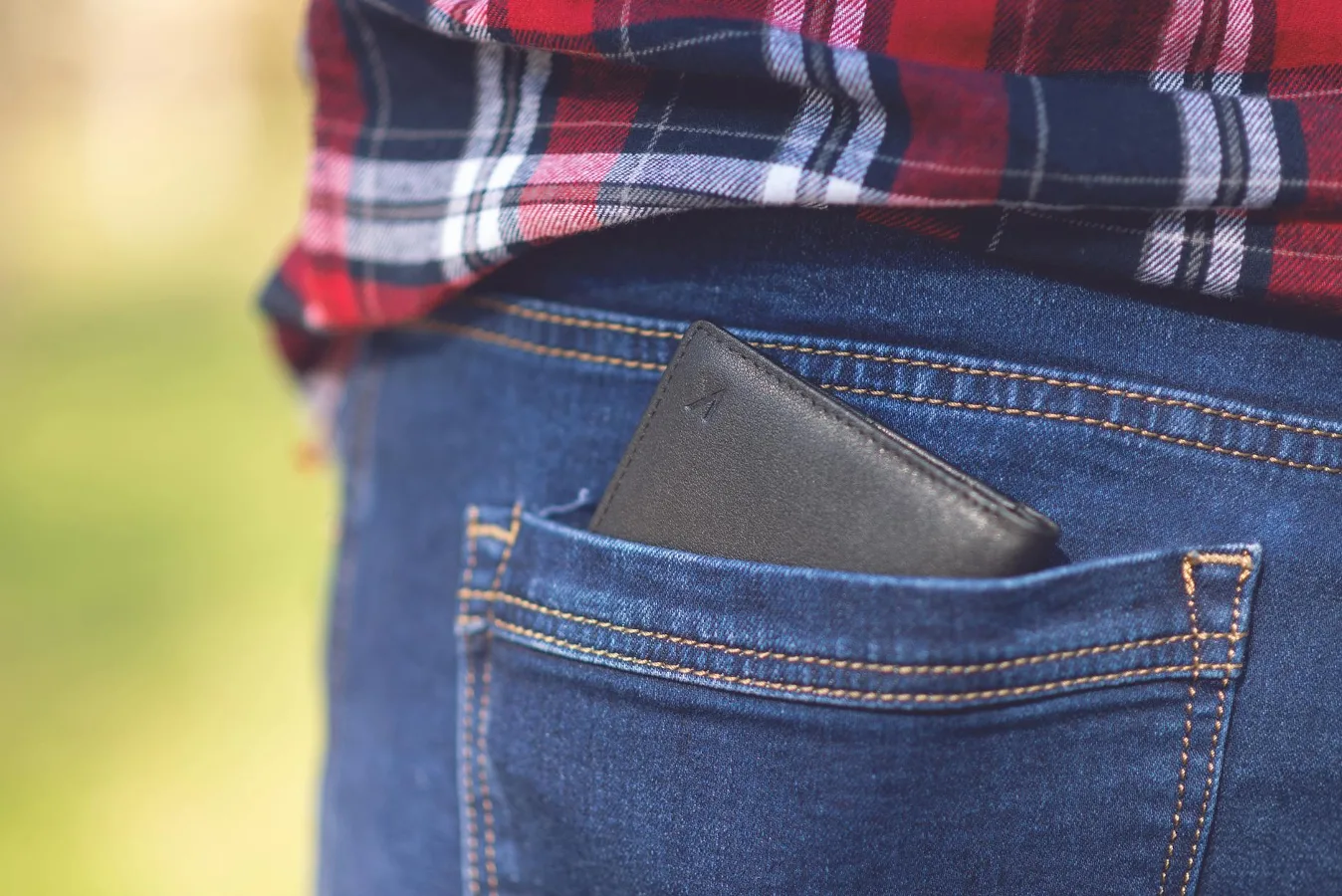
Front pocket wallets for men are designed to carry the essentials without the bulk of a traditional back-pocket wallet. If you want less pocket pressure, a cleaner silhouette, and quicker access to cards or cash, a front pocket wallet is usually the better fit. Tactical Wallets for Men: Buyer Guide offers more detail on this point.
The right choice depends less on style alone and more on how you actually carry everyday items. Some men need room for several cards, ID, cash, and receipts. Others want the smallest possible profile and are happy with a card holder or money clip. The best front pocket wallet is the one that matches your routine, your clothing, and your tolerance for bulk.
Quick answer: what to look for
If you are shopping for front pocket wallets for men, start with three priorities: size, carry format, and pocket comfort. A wallet that is technically slim can still feel awkward if it is too tall, too rigid, or too stuffed for front-pocket use.
For most buyers, the most practical options fall into a few categories:
- Minimal card holder wallets for carrying only a few cards and little or no cash.
- Thin bifold wallets for men who want a familiar layout with reduced bulk.
- Money clip wallets for those who still carry folded bills regularly.
- Travel-oriented compact wallets for people who want a bit more organization without going back to a thick back-pocket wallet.
If your main goal is comfort, choose the smallest wallet that still fits your essentials. If your main goal is organization, look for a slim wallet with a clear card layout and enough structure to keep items accessible without stretching out.
Compare the main front pocket wallet types
Different wallet formats solve different problems. The best front pocket wallet for one person may feel overly stripped down to another.
| Wallet type | Best for | Main advantage | Possible drawback |
|---|---|---|---|
| Card holder | Light carriers | Very slim and easy to pocket | Limited space for cash |
| Thin bifold | Traditional users who want less bulk | Familiar layout with improved comfort | Can become thick if overloaded |
| Money clip wallet | Cash-and-card users | Combines paper money storage with a compact shape | Less secure for loose items |
| Front pocket trifold alternatives | People who need more compartments | More organization than a card holder | Usually bulkier than true slim wallets |
A common misconception is that all slim wallets feel the same once you put them in your pocket. In practice, shape matters as much as thickness. A wallet with a tall profile or stiff edges can feel bulkier than a well-designed wallet with slightly more capacity. common mistakes when buying a wallet offers more detail on this point.
The details that matter most
1. Capacity without overpacking
Front pocket wallets work best when they stay close to their intended capacity. Overstuffing is one of the fastest ways to turn a comfortable slim wallet into a pocket nuisance. Cards can become harder to remove, seams may stretch, and the wallet can lose the low-profile shape that made you want it in the first place.
Think about what you carry every day rather than what you might carry occasionally. If you only need a few cards, choose a simpler design. If you regularly carry more than the essentials, look for a wallet that has a slightly more generous layout but still stays narrow.
2. Comfort in the front pocket
Front-pocket carry is often chosen for comfort. Many men prefer it because it reduces pressure when sitting, especially compared with a bulky back-pocket wallet. That said, comfort depends on the wallet’s edges, thickness, and how it sits against your leg.
Soft leather may feel more forgiving, while some structured materials hold their shape better but can feel firmer in the pocket. A wallet that is too rigid may create a noticeable lump, especially in slimmer pants or dress trousers. If you wear fitted clothing, a flatter profile is usually more practical than a chunky design with extra compartments.
3. Access and daily convenience
A wallet should be easy to use without slowing you down. For front-pocket carry, that means cards should slide out cleanly and cash should not require a complicated fold-and-fumble routine. Too much security or compression can make a wallet annoying for routine purchases.
Look for a layout that matches your habits. If you tap to pay often and only need a couple of cards, a simple card holder is usually enough. If you still use cash frequently, a design with a money slot or clip may be more practical than a pure card sleeve.
4. Material and long-term wear
Material affects both appearance and longevity. Leather is the classic choice because it feels familiar, looks polished, and often ages well when cared for properly. It can also be more forgiving in front-pocket use because it may soften over time.
Fabric, synthetic, and hybrid wallets can be lighter and sometimes slimmer, but they vary widely in feel and durability. Some are better for travel, gym bags, or active use than for a dressed-up office setting. If you want a wallet that works with business casual clothing, leather or leather-like finishes often blend in more naturally.
Pay attention to stitching, edge finishing, and how the wallet is reinforced at stress points. Those details matter because front-pocket wallets are handled often and pulled in and out frequently.
5. Security and card protection
Some shoppers look specifically for RFID-blocking wallets, while others care more about physical card protection. RFID-blocking can be useful in certain situations, but it should not be the only reason to buy a wallet. The wallet still has to fit your carry style and hold up in everyday use.
Also consider how tightly cards are held. A wallet that is too loose can let cards slip out, while one that is too tight can make access frustrating. Balanced retention is more practical than extreme compression.
How to choose based on your routine
Choosing a front pocket wallet becomes easier when you match the design to your daily habits.
- For minimal carry: Choose a card holder or slim sleeve if you only need ID and a few cards.
- For mixed cash and card use: Choose a thin bifold or money clip wallet that keeps bills organized without adding much bulk.
- For office or dress wear: Choose a flatter, more refined design that disappears better in tailored pants.
- For travel: Choose a compact wallet with clear organization so you can separate essential cards and documents more easily.
- For active or casual wear: Choose a durable wallet that can handle frequent movement, pocket friction, and occasional moisture exposure.
One overlooked consideration is pocket shape. Jeans, chinos, and dress pants do not all carry the same way. A wallet that feels fine in relaxed denim may feel bulky in slimmer trousers. If you switch outfits often, choose a truly low-profile option rather than one that only works in loose pants.
Common mistakes to avoid
Many buyers focus only on thickness, but a few other mistakes can lead to disappointment.
- Buying too much wallet for your needs. Extra slots sound useful until the wallet becomes unnecessarily thick.
- Ignoring pocket comfort. A wallet can look great and still be uncomfortable in daily carry.
- Choosing style over access. Some sleek wallets are harder to use than they appear.
- Overstuffing from day one. A front pocket wallet is not meant to be packed like a travel organizer.
- Assuming one format fits every outfit. A wallet that works with jeans may not work with dress pants.
- Skipping material care. Especially with leather, regular maintenance affects appearance and lifespan.
A practical rule: if you are unsure, choose a slightly simpler wallet than you think you need. Front pocket carry usually rewards restraint more than extra storage.
Style considerations without sacrificing function
Men often want a front pocket wallet that looks understated rather than trendy. That is usually the right instinct. A wallet should complement everyday clothing instead of demanding attention.
Neutral colors such as black, brown, dark tan, and charcoal tend to be the easiest to pair with workwear, casual clothes, and travel outfits. If you prefer a more visible accessory, texture and stitching can add character without making the wallet harder to use.
For a cleaner silhouette, avoid oversized logos, bulky embossing, and unnecessary hardware. These details can create extra visual noise and sometimes add actual bulk as well.
When a front pocket wallet may not be the best choice
Front pocket wallets are not ideal for everyone. If you carry many loyalty cards, business cards, receipts, folded bills, and other small items every day, a slim wallet may feel too restrictive. In that case, a compact bifold with a bit more organization or a separate card holder for special use may be a better fit.
Front-pocket carry can also feel less comfortable for people who sit for long periods in tight clothing. While it often reduces pressure compared with a rear wallet, the front pocket location still needs enough room to avoid a noticeable bulge. If your pants are already slim, even a modest wallet can feel intrusive.
For some users, the best solution is not one wallet but two: a slim daily-carry wallet for essentials and a larger travel wallet or desk wallet for less frequently used items.
Maintenance and care basics
Wallet maintenance is usually simple, but it matters more in a slim wallet because shape and structure are part of the design.
- Do not overload it. This helps preserve the wallet’s profile.
- Remove unnecessary receipts and old cards regularly. Slim wallets are meant to stay lean.
- Keep leather clean and conditioned as needed. Follow the care guidance that matches the material.
- Let moisture dry naturally. Avoid stuffing a wet wallet back into a pocket.
- Check seams and card edges periodically. Early wear is easier to manage than a complete breakdown.
If you use the same wallet every day, small habits make a noticeable difference. The goal is not perfection; it is keeping a compact wallet functional and comfortable over time.
What to prioritize before you buy
Before choosing from the many front pocket wallets for men, narrow your decision with a simple checklist:
- What do you carry every day: cards only, or cards plus cash?
- Do you want the lowest possible profile or a little more organization?
- Will the wallet be used mostly with jeans, business casual clothes, or both?
- Do you prefer leather, synthetic, or hybrid construction?
- Is easy access more important than maximum retention?
- Will you need something suitable for travel as well as daily use?
If you answer those questions honestly, the right wallet style usually becomes clear. The best front pocket wallet is not the one with the most features; it is the one that fits your routine without creating extra bulk or friction.
For shoppers building a broader accessories rotation, front pocket wallets are one of the easiest upgrades because they improve everyday comfort without requiring a major style change. They also pair naturally with other low-profile carry items, from slim card holders to compact travel accessories, making them a smart starting point for a more organized setup. slim wallet styles for everyday carry offers more detail on this point.