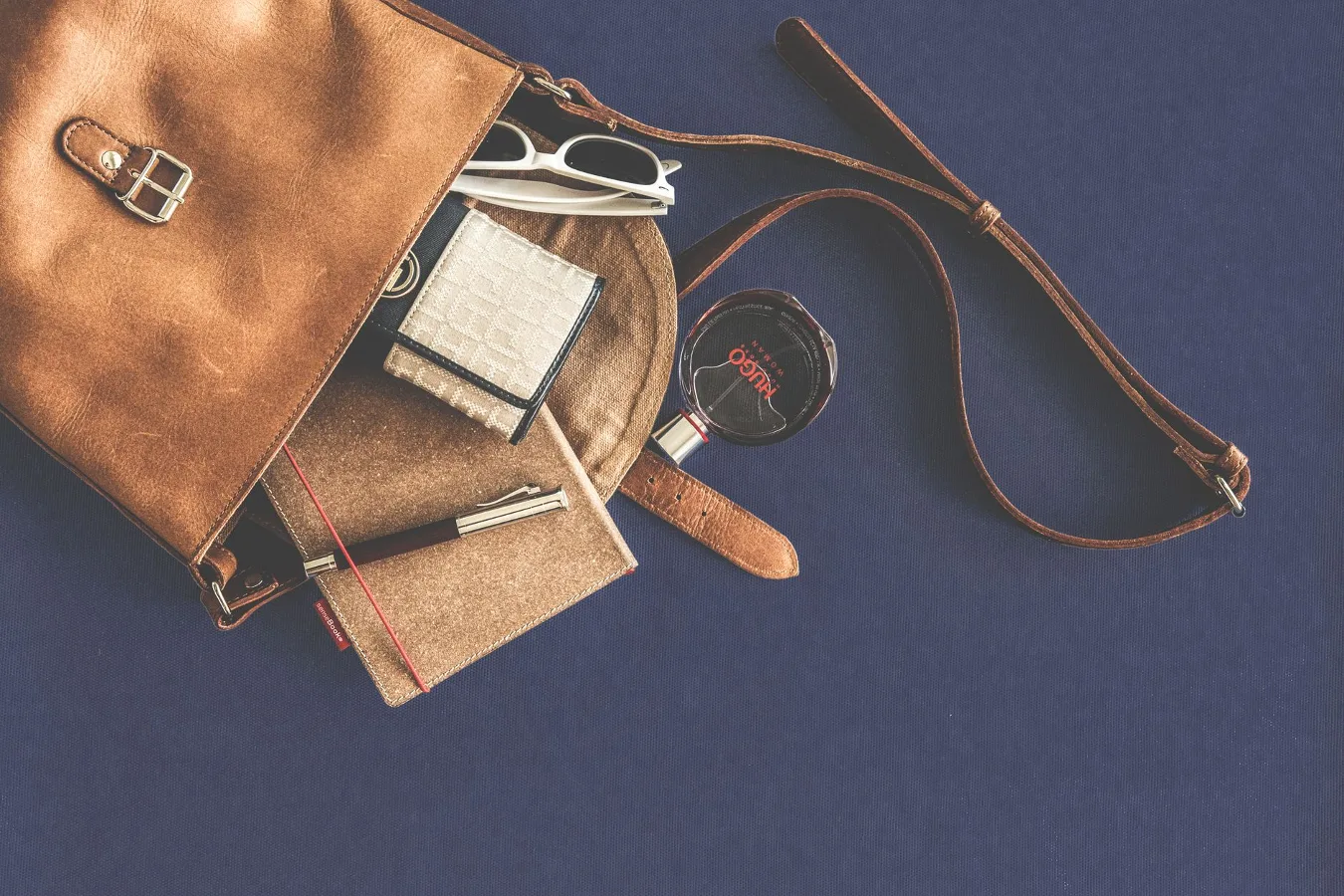
Leather travel accessories are best understood as the small pieces of gear that keep a trip organized, protected, and easier to manage: passport holders, travel wallets, dopp kits, cord organizers, luggage tags, document sleeves, and similar carry items. They appeal to travelers who want something durable, tidy, and visually polished, but the right choice depends less on the word “leather” itself and more on how the item will actually be used. Luxury Leather Travel Accessories Guide offers more detail on this point. how to choose a travel wallet offers more detail on this point.
If you are comparing options for a personal trip, business travel, or gift purchase, start with the basics: what needs to be carried, how often the item will be used, and how much upkeep you are willing to accept. Leather can be a strong long-term material for travel accessories, but only when the construction, layout, and finish fit the job.
What leather travel accessories are really for
The main value of leather travel accessories is organization. A well-made passport holder keeps documents together. A travel wallet separates cards, boarding passes, and cash. A leather dopp kit keeps toiletries contained. A cord pouch prevents chargers and earbuds from tangling in a bag. These items are not just decorative add-ons; they solve small but annoying travel problems.
That said, not every traveler needs the same pieces. A frequent business traveler may care most about a slim document holder and a compact charger case. Someone packing for weekend getaways may prefer a larger toiletry bag and a luggage tag that survives repeated handling. The best accessory is the one that reduces friction without adding bulk.
Key factors that matter before you buy
Construction matters as much as material
Leather gets a lot of attention, but construction usually determines whether an accessory feels useful or frustrating. Look at stitching, zipper quality, edge finishing, lining, pocket layout, and closure type. A leather travel accessory can look premium and still fail if the seams are weak or the zipper snags. For travel use, the stress points are obvious: repeated opening and closing, being packed tightly, and being handled in a hurry.
Clean internal organization also matters. A passport holder with too many slots can become bulky. A dopp kit with a wide opening may be easier to use than a narrow one. A cable organizer should hold items securely without forcing them into awkward folds that strain cords or create unnecessary clutter.
Leather type changes the trade-offs
Not all leather behaves the same way. Full-grain leather is often chosen for its strength and aging potential, while corrected-grain or finished leather may look more uniform and resist surface wear differently. “Genuine leather” is a broad label that does not tell you much about durability or feel on its own. For travel accessories, the practical question is whether the leather suits the amount of handling, packing, and exposure the item will face.
Softer leather can feel refined but may show scuffs more readily. Firmer leather may hold its shape better in a bag. For accessories that need structure, such as document holders or luggage tags, shape retention can matter more than a supple feel. For pouches and organizers, flexibility may be more important than stiffness.
Weight and bulk are easy to overlook
One common misconception is that premium materials automatically improve a travel setup. Sometimes they do, but leather can add weight compared with nylon or coated fabric, especially in larger items like toiletry bags or laptop sleeves. That may not matter for short road trips, but it becomes relevant if you pack light or fly often.
Bulk is just as important. A beautiful leather wallet can be inconvenient if it takes up too much space in a jacket pocket or bag slot. A travel organizer that is too rigid may not fit comfortably alongside headphones, snacks, or a charging brick. The right balance depends on whether the accessory is meant to be carried in hand, stored in a tote, or packed into luggage.
Maintenance should match your travel habits
Leather travel accessories usually need more care than synthetic alternatives. They may need to be kept dry, cleaned gently, and conditioned occasionally depending on the leather type and finish. If your travel style involves wet weather, beach trips, or constant airport movement, you may want to be realistic about how much upkeep you will actually do.
This does not make leather a poor choice. It simply means the material works best for travelers who value appearance, feel, and longevity enough to support routine care. If low maintenance is your top priority, coated fabric or nylon may be the smarter option for some categories.
Best types of leather travel accessories and how to use them
Passport holders and document sleeves
A leather passport holder is one of the most practical entry points into travel accessories because it protects an item that is used often and needs to stay accessible. The best versions are slim, easy to open, and organized without being crowded. If you travel internationally, look for a layout that fits the way you actually move through airports and border checks. Too many pockets can slow you down.
Document sleeves are useful for itineraries, printed confirmations, vaccination records, or other travel papers that still need to be carried in some situations. For a business traveler, a slim leather folder can keep papers from creasing while still fitting into a briefcase or tote.
Travel wallets
A travel wallet is often more useful than a regular wallet because it can separate currency, cards, boarding documents, and sometimes a passport. The best travel wallets are secure but not overbuilt. If the design becomes too thick, it may be harder to pull in and out during transit. Zipped styles offer more containment; open layouts can be faster but less protective.
Think carefully about your itinerary. If you mainly use digital boarding passes and tap-to-pay cards, a simpler wallet may be enough. If you cross borders, handle multiple currencies, or carry paper documents, a more structured layout makes sense.
Dopp kits and toiletry bags
Leather dopp kits are popular because they combine structure with a more polished presentation. They can be a strong choice for overnight bags, business travel, and gift sets. The real decision points are size, opening width, interior lining, and whether the bag is easy to clean if toiletries leak.
For practical use, a lined interior is often more helpful than an ornate exterior. A bag that opens wide may make airport security and hotel unpacking easier. If you pack bottles or grooming tools, check that the shape works for your routine rather than just the shelf appeal.
Luggage tags
Leather luggage tags are a small purchase, but they can be useful if you want something durable and visually easy to identify. Look for secure attachment hardware and a privacy flap or insert cover so your details are not exposed unnecessarily. Because luggage tags are handled frequently and exposed to abrasion, sturdier leather and good stitching matter more than decorative details.
A common mistake is buying a tag that looks elegant but is too delicate for checked baggage. If the tag will live on a carry-on, that is less of a concern. If it is going onto a checked suitcase, durability and secure fastening should come first.
Cable pouches and tech organizers
Tech accessories are a smart category for leather if you want a cleaner, more refined packing system. A leather cord organizer or small electronics pouch can keep chargers, earbuds, adapters, and backup cables from getting scattered. The most useful versions usually have a simple interior, enough structure to protect contents, and no unnecessary bulk.
Keep in mind that electronics accessories often benefit from lightweight construction. Leather can work well here, but only if the design does not become heavy or too rigid for the size of the items inside.
How to choose the right leather travel accessory for your trip style
The best purchase depends on travel context, not category labels. A frequent flyer who mainly travels for work may value slimness, understated styling, and quick access. A leisure traveler may care more about flexibility, capacity, and whether the accessory can handle souvenirs, receipts, toiletries, or mixed packing.
For short trips, compact accessories usually win. A travel wallet, passport holder, and small dopp kit may be enough. For longer or more complex itineraries, look for accessories that create order across categories: one piece for documents, one for toiletries, one for electronics, and one for identification. That separation reduces clutter and makes repacking easier.
Also consider where the accessory will live. Items that stay in a carry-on can prioritize elegance and organization. Pieces that sit in checked luggage need better abrasion resistance, stronger hardware, and finishes that are less vulnerable to rough handling.
Leather versus synthetic travel accessories
Leather is not automatically the best choice. Synthetic travel accessories often win on weight, price, weather resistance, and ease of cleaning. They are especially practical for travelers who want minimal maintenance or who expect their gear to be exposed to damp conditions, spills, or heavy packing pressure. best accessories for carry-on packing offers more detail on this point.
Leather has different strengths. It often offers a more refined appearance, a more structured feel, and a classic look that ages in a distinctive way when cared for properly. For some buyers, that makes it worth the trade-offs. For others, especially those focused on function alone, nylon, polyester, or coated canvas may be better suited.
A useful rule is this: choose leather where touch, appearance, and structure matter most; choose synthetic materials where low weight, easy cleaning, and rough handling matter most.
Common mistakes shoppers make
- Buying by material alone. A leather label means little if the design is bulky or the hardware is weak.
- Choosing the wrong size. A too-small wallet or toiletry bag becomes annoying fast, while an oversized one wastes space.
- Ignoring closure style. Zippers, snaps, magnetic closures, and open-top designs each solve different problems.
- Overlooking maintenance. Some finishes need more care than others, especially if you travel frequently.
- Prioritizing style over access. If an accessory is hard to open in transit, it will not stay useful for long.
- Forgetting about compatibility. Passport sizes, currency layouts, and cable storage needs vary by traveler.
What good value looks like
Long-term value in leather travel accessories comes from a combination of durability, usefulness, and how well the item fits your routine. A high-quality piece does not need to be elaborate. In many cases, the best design is the one with a sensible layout, reliable stitching, and enough structure to hold its shape without becoming cumbersome.
Value also depends on replacement frequency. A small item that you use on every trip may justify a more durable build than a piece you only carry occasionally. Conversely, a special-occasion accessory that spends most of its time in a drawer does not need the heaviest construction available.
Do not assume that more pockets, thicker leather, or extra hardware automatically make an accessory better. Often, restraint is the smarter design choice. The most travel-friendly leather accessories tend to be the ones that do one job clearly and do not try to become a catch-all solution.
Practical buying guidance
If you want a simple way to decide, start with your biggest travel friction point. If documents get misplaced, choose a passport holder or document organizer. If toiletries leak or rattle around, choose a dopp kit with better structure and lining. If cords and small electronics tangle constantly, choose a compact tech pouch. If your luggage is hard to identify, add a durable tag.
For most buyers, a good first leather travel accessory is one that will be used repeatedly on every trip. That makes it easier to justify the purchase and easier to judge whether the format works for your habits. From there, you can build a small set that supports the way you travel instead of collecting pieces that look appealing but do not solve a real problem.
If you are choosing a gift, aim for broadly useful items with modest sizing and neutral styling. Passport holders, luggage tags, and compact travel wallets are usually safer than highly specialized organizers, which depend more heavily on the recipient’s packing style.
Leather travel accessories can be a strong choice, but they reward thoughtful buying. Focus on layout, size, closure, weight, and maintenance before aesthetics. When those factors line up, the accessory feels practical every time you pack, not just attractive on the day you buy it.