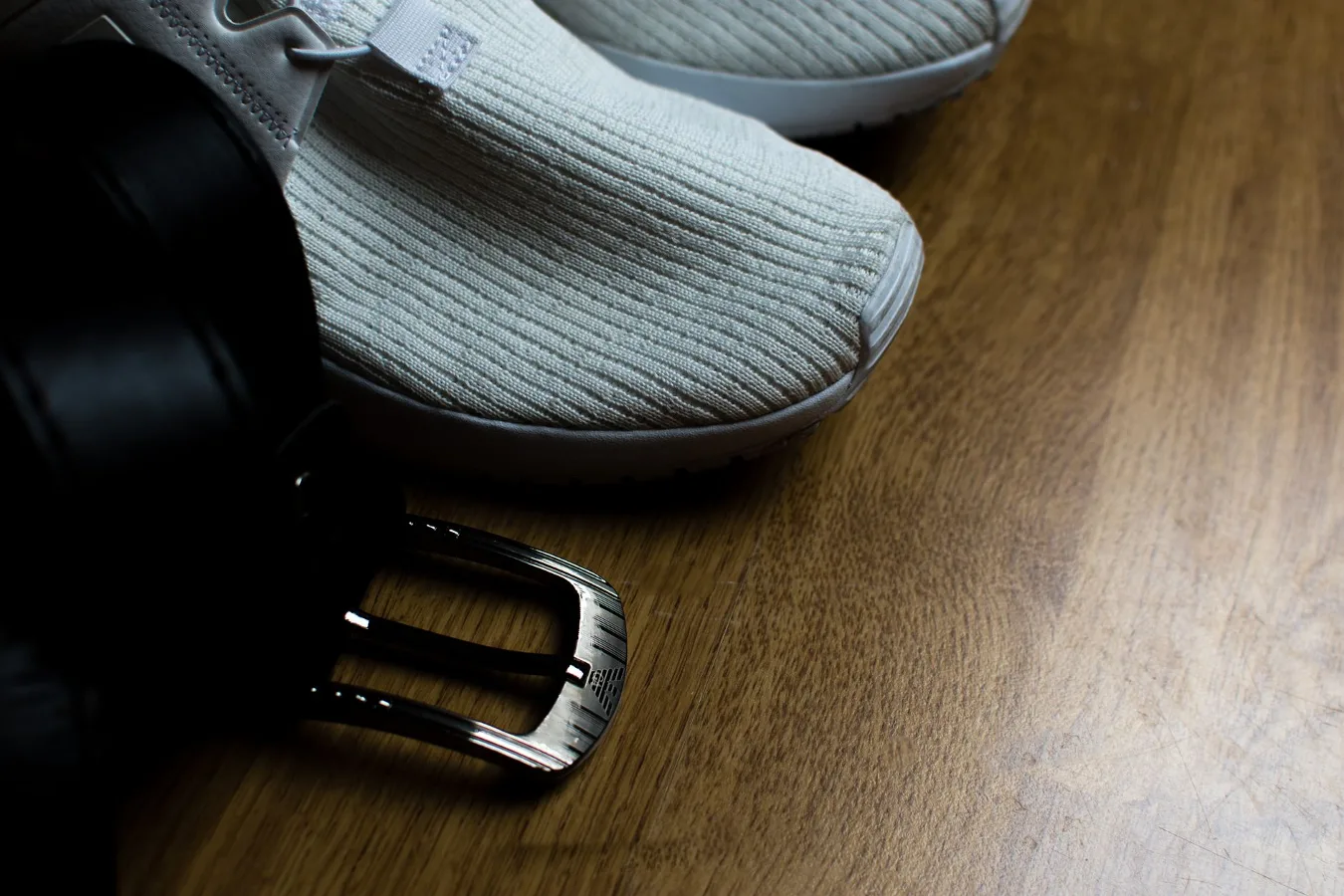
If you want a military-style belt for travel, the short answer is this: look for a belt with a simple, low-profile buckle, a comfortable strap, and hardware that is easy to remove if needed. For TSA screening, the most practical choice is usually a belt that can be taken off quickly or adjusted without fuss, especially if you travel often.
Military-style belts appeal to a lot of men because they are durable, straightforward, and easy to wear with casual clothes. The challenge is that not every military-inspired belt is travel-friendly. Some have bulky buckles, rigid hardware, or thick webbing that feels great day to day but slows you down at security checkpoints. The right choice depends on how often you fly, what you wear, and whether you want one belt that does double duty. men’s travel accessories guide offers more detail on this point. travel packing essentials for men offers more detail on this point.
Who this type of belt works best for
Military-style belts make sense for men who want an accessory that is tougher than a basic fashion belt but still simple enough for everyday use. They are especially useful if you wear jeans, cargo pants, chinos, or workwear-inspired outfits. They also suit travelers who prefer something less polished than dress leather, but more structured than a soft woven belt.
For TSA purposes, the best buyer is usually someone who values convenience over decoration. If you go through airport security often, a belt that can be removed quickly, packed flat, and put back on without adjusting a complicated clasp will save time and frustration. If you rarely fly, you may care more about durability and comfort than quick removal.
What TSA-friendly really means
TSA-friendly is a practical term, not a formal product category. It usually means the belt is easy to remove before screening and easy to put back on afterward. In some cases, it may also mean the belt uses a buckle style that is less likely to draw extra attention or create a hassle during screening.
A common misconception is that there is a single buckle type that always passes through security without removal. That is not a safe assumption. Policies and screening practices can vary, and belts are often removed regardless of style if they have noticeable metal hardware. A better approach is to choose a belt that is easy to take off and rethread, or one with a buckle design that minimizes inconvenience.
What usually helps at airport security
- A slim or flat buckle instead of a heavy decorative one
- A strap that is easy to slide through belt loops
- A closure that is simple to open and close
- Materials that do not feel overly stiff or bulky
- Hardware that does not snag clothing or pack space
Buyer scenario: which version fits your routine
If you need one belt for commuting, travel, and casual outfits, a restrained military-style web belt is often the most versatile option. It offers the rugged look without the maintenance demands of some leather belts. If your wardrobe leans more polished, a leather belt with a military-inspired buckle may be a better balance.
If your trips are frequent and you want to move quickly through security, convenience should matter more than style detail. In that case, a belt with a removable buckle or a simple adjustment system is easier to live with than one that looks impressive but takes time to manage. On the other hand, if you want a belt primarily for weekend wear, you may accept a little extra hardware in exchange for a stronger visual style.
For men who use one belt across many settings, the best compromise is usually understated. Avoid oversized emblems, heavy plated buckles, or novelty hardware. Those details can make the belt less adaptable and more likely to stand out at security or clash with different outfits.
Material and hardware factors that matter most
For military-style belts, the main decision is often between webbing, nylon, canvas, and leather. Each option has strengths, and each comes with trade-offs.
Webbing and nylon
Webbing and nylon belts are practical for travel because they are lightweight, flexible, and easy to pack. They also fit the military-inspired look well. These belts usually feel more casual than leather, which makes them a strong match for sneakers, boots, field jackets, and relaxed pants.
The trade-off is appearance. Webbing can look too casual for dressier outfits, and some versions may feel more utilitarian than refined. If your wardrobe is mostly office casual, check whether the strap texture and buckle finish look intentional rather than purely functional.
Canvas
Canvas belts can work well if you want a softer, less technical appearance. They are comfortable and often casual enough for everyday wear. The limitation is that canvas may not hold its shape as consistently as leather or tightly woven webbing, depending on construction. best casual belts for everyday wear offers more detail on this point.
If you care about packing and breathability, canvas can be a reasonable middle ground. If you want the cleanest, most structured silhouette, other materials may serve you better.
Leather with military-inspired hardware
Leather is the best choice if you want a belt that can move between casual and smart-casual outfits. A military-inspired buckle or subdued hardware can add visual interest without making the belt look like costume gear. This is often the most flexible option for men who want one belt for jeans, chinos, and travel days.
The trade-off is maintenance. Leather typically needs more care than webbing or nylon, and some leather belts can feel heavier or more rigid when new. If you want a belt that handles rough use and odd travel conditions with less concern, fabric-based options are easier.
Buckle design
The buckle is the detail that affects TSA convenience most. A large decorative buckle may look strong on paper, but it can be annoying at security and less comfortable when sitting for long periods. A slim frame buckle, simple prong buckle, or easy-release design is often more practical.
Look closely at how the buckle attaches to the strap. If the buckle is removable, the belt may be easier to travel with. If the buckle is fixed and bulky, the style may still work, but it becomes less convenient for frequent flyers. Also consider whether the buckle finish resists scratching, since travel wear tends to show up quickly on bright metal surfaces.
Comfort and fit are more important than the look suggests
Military-style belts often attract buyers because they seem sturdy, but stiffness can be a problem if the belt does not match your waist, pants rise, or daily movement. A belt that feels secure while standing can become uncomfortable when sitting in a car, on a plane, or at a desk.
Pay attention to adjustability. Some web belts offer easy micro-adjustment, while others rely on fixed holes or a rigid clasp. Adjustable belts can be more forgiving if your wardrobe includes different pants fits or if you wear layers in colder months. Fixed-hole belts are simpler, but they demand a more exact fit.
Also check whether the belt width works with your pants loops. A belt that is too wide may be hard to thread through denim or chinos, while a very narrow belt can look undersized and may not provide the firm feel many people want from a military-style accessory.
Trade-offs to think through before you buy
Military-style belts are appealing because they are durable, but durability alone does not make them the best choice for every situation. A belt that excels outdoors may feel too casual for office settings. A belt that looks sharp in photos may not be the easiest to travel with. The right choice depends on where you expect to wear it most often.
There is also a difference between looking tactical and actually being useful. Some belts borrow military cues mainly for style, with little attention to comfort or practical hardware. Others are designed for function first and style second. Decide which matters more to you, because the best-looking belt is not always the best daily belt.
Another overlooked consideration is packing space. A thick or stiff belt can take up more room than expected in a carry-on, and a bulky buckle can scratch other items if tossed into a bag. If you travel light, slim hardware and flexible materials are worth prioritizing.
Common mistakes shoppers make
- Choosing a heavy buckle because it looks rugged, then finding it annoying at security
- Buying a belt that is too casual for the rest of the wardrobe
- Ignoring width and discovering it does not fit the belt loops well
- Focusing only on style and overlooking comfort for long wear
- Assuming all military-style belts are automatically TSA convenient
- Picking stiff materials without considering how often the belt will be removed
How to narrow the options quickly
If you want the simplest decision path, start with use case. For frequent travel, choose a belt with a slim, removable, or easy-to-open buckle and a strap that does not feel rigid. For everyday casual wear, focus more on appearance, width, and how well the belt matches your shoes and pants. For a single do-everything belt, understated leather or a neat web belt is usually the safest bet.
Then ask three questions: does it fit my belt loops, can I remove it quickly at security, and will I actually want to wear it with most of my clothes? If the answer is yes to all three, you are probably looking at the right category.
Good alternatives if military style is not quite right
If you like the practicality but not the look, consider a classic leather belt with simple hardware. It is easier to dress up and can still be travel friendly if the buckle is restrained. If you like easy travel above all else, a very simple casual belt with minimal hardware may be better than a military-inspired option.
For very casual wardrobes, a woven belt or stretch belt can be more comfortable than a rigid military-style strap. Those alternatives may not deliver the same rugged appearance, but they can be easier for long travel days and hot weather.
Next steps before you add one to your wardrobe
Before buying, compare the buckle, strap width, material, and adjustability against your actual routine. Think about the pants you wear most, how often you go through airport security, and whether you want the belt to work with both casual and slightly dressed-up outfits.
If you travel often, prioritize simplicity. If style matters more than speed, you can afford to choose a more distinctive buckle or heavier construction. The best military-style belt for men is not the most rugged one on the shelf; it is the one that fits your wardrobe, your travel habits, and how much effort you want to spend at security checkpoints.
FAQ
Are military-style belts allowed through TSA?
Yes, belts are generally allowed, but you may still be asked to remove them during screening. The practical goal is not to avoid removal at all costs, but to choose a belt that is easy to take off and put back on.
What buckle style is best for airport travel?
A slim, simple buckle is usually the easiest to manage. Removable or low-profile buckles tend to be more convenient than large decorative metal designs.
Is a web belt better than leather for TSA?
For frequent travel, web belts often feel easier because they are light, flexible, and simple to repack. Leather is better if you want a more polished look and broader outfit compatibility.
What width should I choose?
Choose a width that fits your belt loops comfortably and matches the overall proportions of your pants. A belt that is too wide or too narrow will feel awkward regardless of the material.
Can one belt work for travel and everyday wear?
Yes, but the safest choice is usually a restrained design with minimal hardware. That gives you the best chance of wearing it with casual outfits while keeping airport security hassles low.