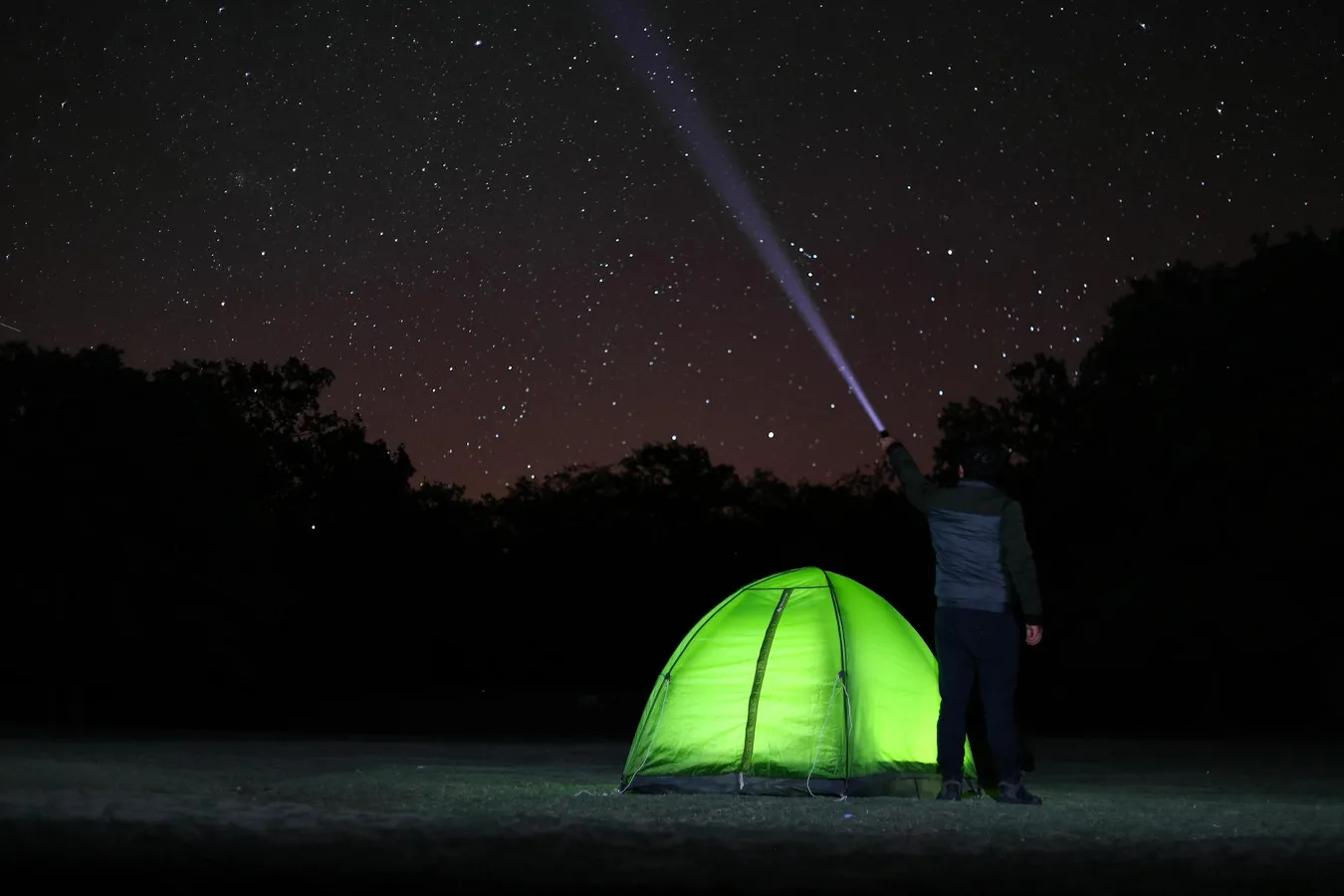
If you need a camping tent for shower use, the best choice is usually a privacy tent or changing shelter designed for quick setup, decent ventilation, and enough headroom to move comfortably. For most campers, the right model is less about looking like a full tent and more about creating a private, practical space for washing up, changing clothes, or pairing with a portable camp shower. how to set up a camp shower area offers more detail on this point. choosing a privacy tent for camping offers more detail on this point. dog camping tent offers more detail on this point.
The important question is not just whether a shelter offers privacy. It is whether it can handle moisture, drain or dry reasonably well, stand up to wind, and fit the way you camp. A shower tent that works for a family base camp may be overkill for a solo weekend trip, while a lightweight popup shelter may feel cramped or unstable in exposed conditions.
When a camping shower tent actually makes sense
A shower tent matters most when your campsite does not already provide private wash facilities and you want a cleaner, more comfortable routine. It can also help when you are camping with family, traveling in a van, staying at dispersed sites, or using a solar shower bag where hanging and privacy are both concerns.
These shelters are commonly used as:
- a private stall for outdoor showering
- a changing room after swimming, hiking, or paddling
- a restroom enclosure for campsites without facilities
- a sheltered spot for gear that should stay out of public view
A common misconception is that any small tent can serve the same purpose. In practice, a regular sleeping tent is usually a poor substitute. It may trap moisture, lack easy entry, and be harder to clean after soap, sand, or mud get inside. A purpose-built privacy tent is generally easier to manage for wet use.
What to look for before you buy
For a shower tent, the best evaluation criteria are not complicated, but they are easy to overlook. Focus on the shelter’s real job: giving you privacy, keeping the space usable when wet, and setting up without frustration.
1. Privacy and coverage
Look for a design that blocks sightlines from standing height and does not leave obvious gaps at the corners or around the zipper area. Taller campers should check the overall height carefully, since a shelter can technically offer privacy and still feel awkward if you cannot stand or bend naturally inside.
Also consider whether the shelter has a full door or only partial coverage. A more open design may feel breezier, but it can be less reassuring in busy campgrounds.
2. Ventilation
Ventilation is one of the most overlooked considerations in a shower tent. Wet use creates humidity fast, and a poorly vented shelter can feel stifling, especially in warm weather. Mesh panels, roof vents, and roll-up windows can help, but they should not compromise privacy too much.
If you plan to use soap, a camp stove nearby, or a solar shower bag with warm water, airflow becomes even more important. The goal is a balance: enough ventilation to reduce condensation and stuffiness without turning the tent into a visual fishbowl.
3. Floor design and drainage
Some shower tents have sewn-in floors, while others use a more open or detachable base. Each approach has trade-offs. A floor can help keep feet cleaner and reduce mud, but it can also trap water if drainage is poor. A floorless or open-bottom design may drain better, yet it can feel less tidy and may let in dirt from the ground.
If you want to use a bucket, solar shower, or rinse-off system, think about where the water will go. A shower tent is not the same as a bathroom. Without smart drainage, the floor can become slippery or messy very quickly.
4. Stability in wind
Because shower shelters are often lightweight and tall, they can catch wind more easily than low-profile camping gear. Guy lines, stakes, and a sensible shape all matter. If you camp in open desert, on beaches, or in exposed mountain sites, stability should weigh heavily in your decision.
A shelter that is easy to pop up is convenient, but simplicity should not come at the expense of secure anchoring. A private shelter that flaps, leans, or collapses is frustrating and can be unsafe if you are using water inside.
5. Setup speed
For many campers, quick setup is the real reason to buy a dedicated shower tent. After a long day on the road or trail, the last thing you want is a complicated pole system. Pop-up frames and instant shelters are appealing because they remove friction from a simple task.
That said, very fast setup can mean a bulkier packed size or less refined structure. If you are trying to fit all your gear into a small vehicle, packed dimensions may matter more than a few minutes saved during setup.
6. Packed size and portability
Consider how the shelter will travel. A family car camper can usually carry a larger privacy tent without much trouble, but backpackers and minimalist travelers need something far more compact. Some shower tents are better described as car-camping accessories than portable backcountry gear.
This is a useful decision point: if you will only use the shelter at drive-in campsites, portability can be secondary to comfort and sturdiness. If you need to move camp often, the opposite is true.
Types of camping shower shelters and who they suit
Not every shower shelter is built for the same use case. Understanding the common formats can help you avoid paying for features you will not use.
Pop-up privacy tents
These are popular because they are quick to deploy and simple to understand. They suit car camping, family trips, and short stays where convenience matters more than compact packing. Their main trade-off is that they can be less stable in wind and may be awkward to repack the first few times.
Pole-supported privacy shelters
These often feel more structured and may hold shape better than the easiest pop-up models. They can be a better fit if you value sturdiness and plan to use the shelter often. The trade-off is a slightly more involved setup.
Multi-use utility tents
Some products are marketed as changing rooms, toilet tents, or shower enclosures. These can be practical if you want one shelter for several campsite tasks. The challenge is making sure the design truly suits wet use and not just dry privacy.
Open-bottom shower enclosures
These are especially useful when drainage matters. They can be easier to keep from becoming swampy, but they provide less separation from the ground. For some campers, that is a worthwhile compromise. For others, a floor is a comfort requirement.
Practical examples of choosing the right one
The best camping tent for shower use depends on the trip, not just the product listing.
- Family campground trip: A taller privacy tent with a stable frame, a zippered door, and room for towels or toiletries makes sense. Comfort and privacy matter more than ultra-light weight.
- Beach camping: Ventilation and wind resistance become more important. An open-bottom shelter may help with sand and drainage, but it should still anchor well.
- Van or car camping: A bulkier pop-up shelter may be fine if it packs in the vehicle. This is where convenience and interior space can outweigh portability.
- Remote dispersed camping: Stability, low weight, and fast setup matter more. A simpler shelter may be better than a more elaborate one.
- Use with a portable shower bag: Focus on height, headroom, and water management. If the bag hangs overhead, the shelter needs enough vertical space to make washing practical.
Useful checklist before you buy
Before choosing a camping shower tent, it helps to slow down and match the shelter to the way you actually camp.
- Will you use it mostly for showering, changing, or both?
- Do you need full privacy, or is partial coverage acceptable?
- Will you camp in windy or exposed places?
- Is ventilation important because of heat or humidity?
- Do you need a floor, or would an open base drain better?
- How much room do you need to stand and move?
- Can you carry the packed size in your vehicle or pack?
- Do you need room for a shower bag, towel hook, or storage pocket?
- Will you use it only occasionally, or on most trips?
This checklist is also where a lot of shoppers realize they do not need a dedicated shower tent at all. If the main goal is simply to rinse off privately at a drive-in campsite with a friend or family member nearby, a smaller privacy screen or changing shelter may be enough.
Common mistakes to avoid
One of the biggest mistakes is choosing a shelter by footprint alone. A tent may be wide enough on paper but still feel unusable if the ceiling is too low or the door placement is awkward.
Another common issue is ignoring ventilation. A sealed enclosure can feel private, but it may also become hot and muggy fast. That matters even more when you are showering with warm water or changing in humid weather.
People also underestimate how much water management matters. If you plan to soap up inside the shelter, think about splash, runoff, and slippery surfaces. A shower tent should make campsite hygiene easier, not create a messy cleanup problem.
Finally, do not assume the lightest option is the best. For shower use, a little extra weight can be worth it if the structure is more stable, the door closes better, or the interior is more comfortable.
Alternatives worth considering
If a dedicated camping shower tent seems like too much gear, there are a few practical alternatives depending on your situation.
- Changing tent: Best if your main need is privacy rather than wet use.
- Folding privacy screen: Useful for quick coverage, though it offers less enclosure.
- Campsite bathroom shelter: A multi-use enclosure can handle changing and toilet duties in addition to showering.
- Vehicle-based changing setup: Convenient if you already camp from a van, SUV, or truck and only need occasional privacy.
These alternatives are useful because they can solve the same problem with less setup, less bulk, or less cost. The right answer depends on how often you need a private wash space and how much gear you are willing to manage.
How to make the shelter more useful at camp
Even a good shower tent can feel limited if you do not think through the setup around it. A small ground mat outside the entrance can help with muddy feet. A towel hook or gear organizer inside can keep essentials from ending up on the ground. If your shelter allows it, placing it near a stable water source or wash station makes the whole routine easier.
For many campers, the real value of a shower tent is not luxury. It is reducing friction in everyday camp routines. Being able to change out of wet clothes, rinse off after a hike, or keep toiletries separated from sleeping gear can make a trip feel much more organized.
What matters most in the end
The best camping tent for shower use is the one that fits your campsite, your climate, and your routine. If you camp casually at developed sites, comfort and ease of use may matter most. If you camp in exposed or remote places, stability and portability become more important. If you need a multi-use privacy space, versatility may outweigh extra bulk.
Think in terms of trade-offs, not perfection. A shower tent should solve a real campsite problem without creating a new one. When you match privacy, ventilation, drainage, and setup style to the way you camp, the result is a shelter that feels genuinely useful instead of just another piece of gear.