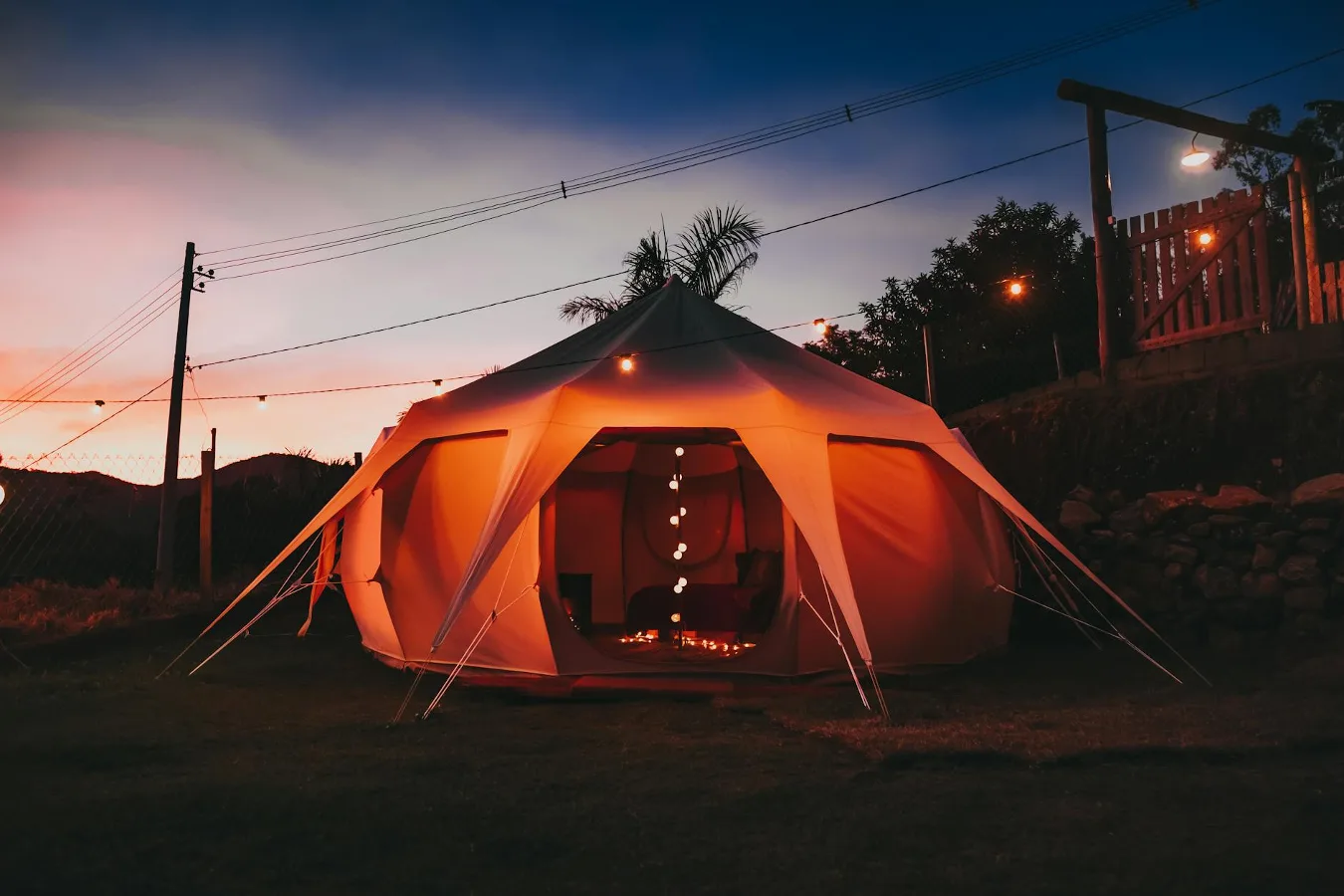
Camping tent lights are worth choosing carefully because the wrong light can make a tent feel harsh, cluttered, or difficult to use after dark. The right setup gives you enough visibility to find gear, read, change clothes, and settle in without turning your shelter into a glare-heavy room. SUV Camping Tent Buying Guide offers more detail on this point.
For most campers, the best tent light is not just the brightest one. It is the one that fits your camping style, power source, tent size, and need for either task lighting or a softer glow before sleep. That usually means balancing brightness, mounting options, battery life, color modes, and how easy the light is to pack and use. how to light a tent safely offers more detail on this point.
When camping tent lights matter most
Tent lighting matters any time your shelter becomes part of the living space, not just a place to sleep. That includes car camping, family camping, rainy weekends, shoulder-season trips, and any setup where you expect to spend time inside the tent after sunset.
It matters less if you only use a tent to sleep and do everything else outside or at a camp kitchen. Even then, a simple light can still help with late-night organization and reduce the chance of fumbling around for a headlamp.
A good tent light can also improve safety in small but meaningful ways. It helps you spot loose items on the floor, find zippers, and avoid stepping on shoes, cords, or sleeping gear. The effect is practical rather than dramatic, but that is often what matters most in camp. sleeping bag bags offers more detail on this point.
How to choose camping tent lights
Choosing tent lighting works best when you think about how the light will be used, not just how it looks in a product listing. The most useful lights usually do a few things well instead of trying to be everything at once.
1. Match the light to the task
Start with the main use case. If you want to read, sort gear, or change clothes, you need a light that spreads illumination evenly without creating harsh hotspots. If you only need a small glow to locate essentials, a compact lantern or clip-on light may be enough.
For sleeping areas, softer lighting is usually better than a strong overhead beam. Many campers prefer a dimmer setting or a warmer mode because it feels less disruptive late at night. For cooking in a tent vestibule or organizing muddy gear, a brighter setting may be more useful.
2. Think about brightness in context
Brightness should be judged relative to tent size and purpose. A light that seems perfectly fine for a two-person shelter can feel excessive in a small one-person tent. Likewise, a tiny light can feel inadequate in a family tent with tall ceilings and multiple sleeping areas.
Instead of chasing the brightest option, look for adjustable brightness. Dimming is one of the most practical features because it helps one light serve multiple jobs: bright for setup, lower for winding down, and very low for overnight use.
3. Choose a power source that fits your trip
Power choice affects convenience more than many shoppers expect. Battery-powered lights can be straightforward and easy to swap, especially for short trips or backup use. Rechargeable lights reduce disposable battery use, but they depend on recharging access and planning.
If you camp at developed sites with vehicle access, rechargeable tent lights are often easier to manage. If you backpack or expect long stretches without charging, a battery-based option or a light with a power bank strategy may be more practical. The best choice depends on how reliably you can replenish power during the trip.
4. Look at mounting and placement
How a light attaches can matter as much as the light itself. Common options include hooks, magnets, clips, loops, and hanging designs. A hanging light works well for overhead coverage, while a clip-on light can be better for a gear loft, tent pocket, or nearby pole.
Placement affects comfort. A light placed too high may create glare. A light placed too low may leave the center of the tent dim. For many campers, the ideal setup is a light that can hang near the center and also be moved closer to a reading area when needed.
5. Favor easy controls
In a tent, simple controls matter. You do not want to fumble through complicated settings when your hands are cold or your space is cramped. A clear on/off switch, a usable dimming button, and an easy way to cycle modes can make a light feel much more practical at night.
One overlooked detail is whether the controls are too sensitive. A light that turns on accidentally in your bag can waste power and create frustration. That is a small design issue on paper, but it becomes a real drawback in use.
6. Check the light color and comfort level
Many campers prefer a softer color temperature inside tents because it feels less stark than cool white light. Warm-toned light can be easier on the eyes late in the evening. Some lights also include red mode, which is useful if you want minimal disruption while moving around before sleep.
Color preference is personal, but the main point is simple: tent lights should support the mood and routine of camp, not dominate it. A harsh beam can make a tent feel less restful than it should.
7. Consider weather resistance and durability
Camping gear gets handled often, packed tightly, and occasionally exposed to moisture. A tent light does not need to be rugged in the same way as a headlamp for harsh trail use, but it should be able to tolerate normal outdoor use and a bit of rough handling.
For frequent campers, durable housings, secure switches, and dependable attachment points are worth attention. If you expect condensation, damp ground, or occasional drizzle during setup, moisture resistance becomes a useful practical feature rather than a luxury.
Best tent light setups by camping style
Different camping styles call for different lighting approaches. A setup that works well for one kind of trip may feel awkward on another.
Car camping
Car campers can usually prioritize comfort and convenience. Rechargeable lanterns, larger hanging lights, or a combination of overhead light and a small task light can work well. Since weight is less critical, you can focus on ease of use, multiple brightness settings, and long runtime.
Family camping
Family setups benefit from simple, durable lights that are easy for different people to use. A shared lantern in the main tent and individual smaller lights for kids or adults can reduce confusion. The main goal is even light without making bedtime too stimulating.
Backpacking
Backpackers usually need compact, lightweight lighting that earns its place in the pack. Clip-on lights, tiny lanterns, or multi-use lights can make sense if they are efficient and reliable. Here, the trade-off is clear: smaller and lighter often means less ambient coverage or shorter runtime.
Cold-weather or shoulder-season camping
In cooler conditions, simple controls and battery management matter more because cold can affect performance and comfort. A light that is easy to operate with gloves or cold hands is more useful than one with an awkward interface. It also helps to have a backup lighting plan in case power runs lower than expected.
Common mistakes people make with tent lighting
- Buying for brightness alone. A very bright light can be uncomfortable inside a tent and may create more glare than usefulness.
- Ignoring placement. Even a good light can feel poor if it hangs too high, points into your eyes, or leaves corners dark.
- Choosing a power source that does not match the trip. Rechargeable lights are great until you cannot recharge them. Battery lights are simple until you forget spares.
- Overlooking dim mode. Dimming is one of the most useful features for tents because one setting rarely fits every task.
- Forgetting about storage. A tent light that is awkward to pack or easy to switch on accidentally can become annoying fast.
A common misconception is that tent lighting should work like indoor room lighting. It usually should not. A tent is a small, shared, flexible space, so a softer and more adjustable light is often a better fit than a fixed bright source.
Practical comparison: what to prioritize
| What you need | Best light traits | Trade-off to expect |
|---|---|---|
| Reading and relaxing | Warm, dimmable, even light | May not be ideal for detailed gear work |
| Gear organization | Brighter output, wide coverage | Can feel harsh at bedtime |
| Backpacking | Lightweight, compact, efficient | Less coverage or fewer features |
| Family camping | Easy controls, durable build, hanging option | Often bulkier than minimalist lights |
| Backup lighting | Simple operation, dependable power | May lack advanced features |
Checklist before you buy camping tent lights
- Does the light match your main tent use: reading, organizing, or general ambience?
- Can it dim or switch to a softer mode?
- Is the power source convenient for your type of camping?
- Does it have a practical way to hang, clip, or position inside the tent?
- Will it feel comfortable in a small enclosed space?
- Is it easy to turn on and off in the dark?
- Will it fit your packing style and storage space?
- Do you need one light or a layered setup with a lantern plus a headlamp?
Examples of useful tent lighting setups
A solo camper in a small tent may do well with a compact hanging light set to a low or medium level, plus a headlamp for outside chores. That keeps the tent calm while preserving flexibility.
A car camper with a larger shelter may prefer a central lantern for shared light and a smaller clip-on light near a sleeping area. That gives a better balance between group convenience and individual comfort.
A backpacker may choose a light that is small enough to carry comfortably and simple enough to use without extra accessories. In that case, versatility is often more important than visual appeal.
If you camp with children, the most practical choice is often a light that is easy to operate, not too bright, and difficult to damage accidentally. A light that is pleasant to use tends to work better than one with too many modes.
Alternatives to a dedicated tent light
Not every camper needs a separate tent light. Some use a headlamp, especially for quick tasks and minimal setups. Others prefer a lantern outside the tent or in the vestibule and keep the interior darker for sleeping.
Headlamps are useful because they are hands-free and mobile, but they can feel too focused for general tent use. A lantern gives broader coverage but may take up more space. A layered approach is often the most flexible: one main tent light for ambient use and one personal light for hands-on tasks.
If your tent is only used for sleeping, a full lighting setup may be unnecessary. In that case, a small backup light and a headlamp might be enough.
FAQ
What kind of light is best for inside a tent?
A dimmable light with broad, even coverage is usually the most practical choice. Hanging lanterns and small clip-on lights work well because they spread light without feeling too direct.
Are rechargeable camping tent lights better than battery-powered ones?
Neither is automatically better. Rechargeable lights are convenient if you can recharge them easily, while battery-powered lights can be simpler for short trips or backup use. The right choice depends on your camping routine.
Should tent lights be bright?
They should be bright enough for the tasks you plan to do, but not so bright that they feel harsh in a small enclosed space. Adjustable brightness is usually the most useful feature.
Do I need a red light mode for camping?
No, but it can be helpful if you want a softer option late at night. A red mode is a nice extra, not a requirement.
Can one light handle the whole tent?
Sometimes, yes. In larger tents or shared setups, a single light may leave dark corners or create glare. Many campers prefer one main lantern plus a smaller personal light.
For most buyers, the best camping tent lights are the ones that fit the way you actually camp. If you choose based on tent size, trip length, power access, and how sensitive you are to brightness at night, you are much more likely to end up with a light you use often instead of one that stays in the gear bin.