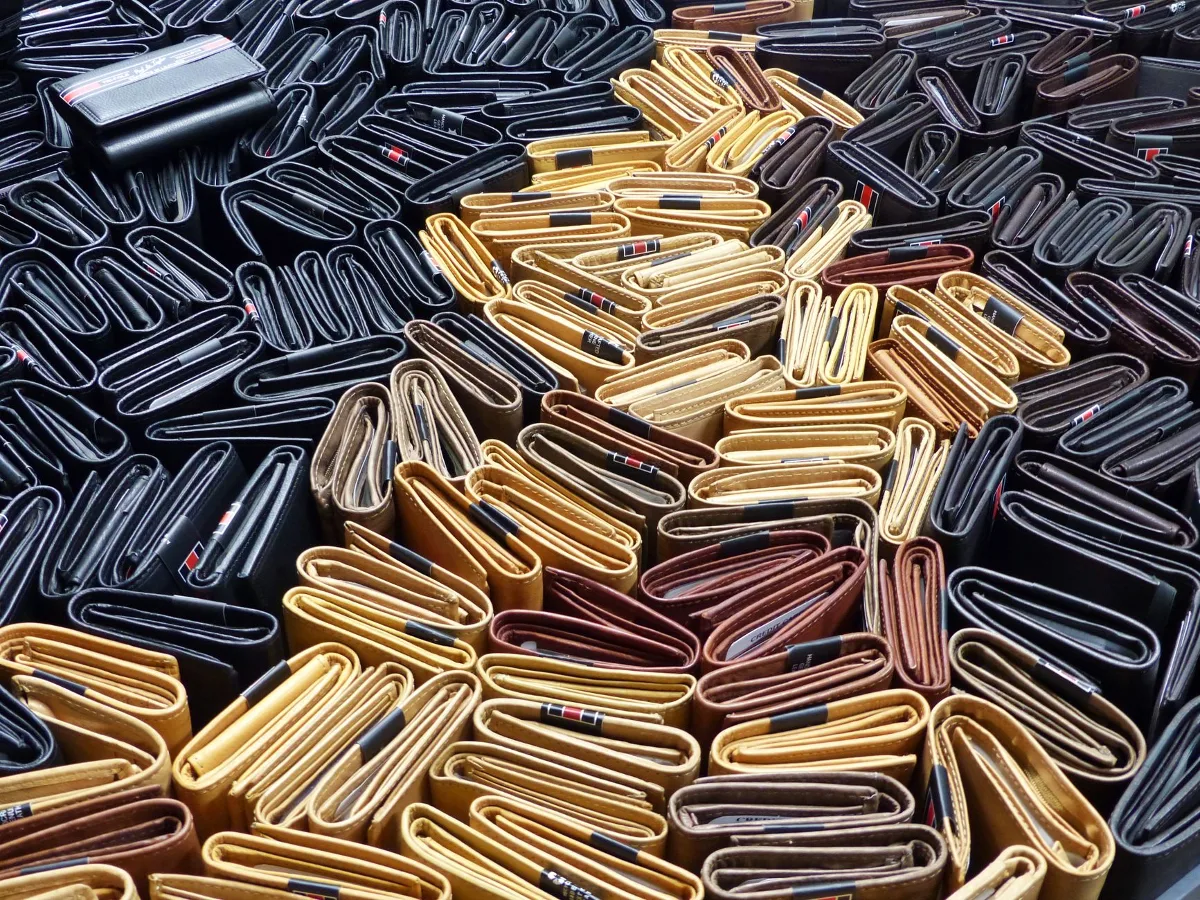
If you want a wallet that keeps cards, cash, and ID organized without feeling like a simple card sleeve, a trifold can be a smart middle ground. The best trifold wallets for men usually offer more storage and separation than a bifold, while still staying compact enough for daily use. best wallets for everyday carry offers more detail on this point.
The catch is that trifold wallets are not automatically better for everyone. Their extra panel gives you more slots and structure, but it can also add thickness, especially once you load it with cards, receipts, and folded bills. That trade-off is the main reason to compare layout, material, and carry style before buying. accessory buying guides offers more detail on this point.
What makes a good trifold wallet
A strong trifold wallet does three things well: it organizes essentials clearly, closes without fighting the contents inside, and holds up to regular handling. That sounds simple, but many wallets fail in one of those areas once they are actually used every day.
The most useful trifold wallets are designed around practical capacity, not just maximum slot count. A wallet with too many card pockets can tempt you to overfill it, which makes it harder to carry in a front pocket and can stress the stitching over time. A better design gives you enough structure to separate essentials without turning into a bulky brick.
Pay attention to the following decision points before narrowing down your options.
- Material: leather, synthetic leather, canvas, or mixed materials
- Layout: how the cards, cash, and ID are arranged
- Thickness: both empty and loaded
- Closure: open-fold design, snap, or other fastening style
- Durability: stitching, edge finish, and hinge areas
- Carry comfort: pocket feel in jeans, chinos, or jackets
- Security: whether you want RFID-blocking features or simply a snug fit
Trifold wallet strengths and trade-offs
Trifold wallets appeal to men who want more organization than a slim bifold can offer. They often work well for people who carry several cards, an ID, a transit pass, business cards, and some cash. The extra fold creates more sections, which can make day-to-day access easier if the internal layout is logical.
That said, the most common drawback is bulk. A trifold wallet can feel thicker in a pocket than it looks in product photos, especially if the leather is stiff or if the design uses thick padding. Once loaded, the wallet may press more noticeably when sitting, and it may print through lighter pants more than a slim card holder would. leather wallet care tips offers more detail on this point.
Another nuance is break-in time. Some leather tri-folds start out firm and become easier to manage after some use, but that does not mean they will become thin. Break-in can improve comfort and flexibility without changing the basic footprint. Buyers sometimes mistake that temporary stiffness for a flaw, when it is really just part of the material’s behavior.
How to compare the best trifold wallets for men
The best choice depends on how you actually carry your essentials. A wallet for someone who keeps six cards and a folded bill or two does not need the same internal structure as one for someone carrying multiple IDs, insurance cards, gift cards, and receipts. Compare the wallet against your real routine, not an idealized one.
1. Material and finish
Leather remains the most common choice because it balances structure, appearance, and long-term wear. Full-grain and top-grain leather are often discussed for their durability and aging characteristics, but the more important question is whether the material matches your preference for softness, rigidity, and maintenance.
Softer leather can feel more comfortable quickly, while firmer leather may hold shape better and resist sagging. Synthetic materials can be easier to wipe clean and may cost less, but they can also lack the same feel or develop wear in a different way. If you want a wallet that looks more polished for office settings, leather usually fits that use case best.
2. Organization without overload
A common misconception is that more card slots automatically make a wallet better. In practice, extra slots are only useful if you truly need them. Too many pockets can encourage clutter, which makes the wallet thicker and harder to access.
Look for a layout that separates your most-used items from rarely used ones. For many people, that means one easy-access ID window, a few card slots for daily essentials, and a section for cash or backup cards. If you carry a lot of loyalty cards, a trifold can help, but only if the wallet remains manageable once filled.
3. Comfort in the pocket
Comfort matters more than buyers sometimes expect. A wallet can look refined in hand and still be awkward in a back pocket. Trifold styles often work better when carried in a jacket pocket or a roomier pants pocket, especially if you prefer to sit for long periods.
If you want a wallet primarily for front-pocket carry, measure carefully and keep the load light. Some trifold wallets can work in the front pocket, but not every design is suited to that use. Shape, thickness, and edge softness all affect how the wallet feels against your leg.
4. Closure and access
Trifold wallets usually rely on folding tension rather than a secure external closure, though some styles use snaps or similar fasteners. A secure closure can help the wallet stay compact, but it can also slow access if you open it constantly throughout the day.
Think about how often you use the wallet. If you reach for cards several times a day, a simpler open-fold design may be less frustrating. If you mostly store the wallet and use it only occasionally, a more secure closure may be worth the slight inconvenience.
5. Durability at the fold points
The fold lines are the stress points on any trifold wallet. Stitching quality, edge finishing, and the way the panels align all influence how well the wallet ages. A wallet that looks neat at first can become frustrating if the panels stretch unevenly or the fold areas begin to flare.
Durability is not just about the outer material. The lining, thread, and cut consistency matter too. Poorly aligned pockets can create pressure points that make the wallet harder to close or more likely to wear in specific places.
Which trifold wallet type fits which buyer
Different users have different priorities, and that is where a trifold wallet either makes sense or feels like overkill. Matching the wallet to the use case is often more useful than chasing the most feature-packed option.
| Buyer type | What to look for | Main trade-off |
|---|---|---|
| Daily commuter | Easy-access card slots, secure ID window, slim profile | Less room for extras |
| Office user | Polished leather, balanced organization, clean stitching | May need regular conditioning if leather |
| Frequent traveler | Multiple compartments, backup card storage, secure closure | Added thickness |
| Minimalist carrier | Light structure, only essential slots, compact fold | Less storage flexibility |
| Gift buyer | Classic appearance, versatile layout, neutral styling | Style preference can be subjective |
One overlooked consideration is how the wallet behaves once it is only partly filled. Some trifold wallets look and feel best when properly loaded. Others become awkward if you carry too little because the panels do not settle neatly. That matters if you do not plan to fill every slot.
Common mistakes to avoid
- Buying for slot count alone: more storage can create more bulk and more clutter.
- Ignoring pocket type: a wallet that feels fine in a jacket may be uncomfortable in jeans.
- Overstuffing every compartment: this stresses the folds, weakens structure, and shortens usable life.
- Choosing style over access: an elegant exterior does not help if the inside layout is inconvenient.
- Assuming all leather behaves the same: texture, softness, and stiffness vary widely.
- Skipping care considerations: some materials need regular cleaning or conditioning to stay presentable.
A practical mistake many buyers make is assuming a trifold is automatically a better “upgrade” from a bifold. That is not always true. If your current wallet already feels thin, organized, and easy to use, moving to a trifold may add weight without adding meaningful convenience.
When a trifold is the right choice
A trifold wallet makes the most sense if you want more order than a slim bifold provides, but you still prefer a traditional fold-over wallet rather than a minimalist card holder. It is especially useful for people who carry a mix of cards and cash and do not want everything stacked together in one compartment.
It can also be a good option if you like a more classic wallet silhouette. Some men simply prefer the familiar feel of a traditional wallet in hand, and a trifold can deliver that while offering slightly more organization than simpler designs.
If you are trying to reduce pocket bulk as much as possible, however, a trifold may not be the best fit. In that case, a slim bifold, a front-pocket wallet, or a compact card case may be more comfortable and easier to live with every day.
Alternatives worth considering
Not every buyer needs a trifold. The best alternative depends on what problem you are trying to solve.
- Bifold wallet: good if you want a classic shape with less bulk.
- Front-pocket wallet: better for lighter carry and sitting comfort.
- Card holder: ideal if you mainly use cards and rarely carry cash.
- Money clip wallet: useful for very simple carry and quick access.
If you are comparing these styles, focus less on fashion labels and more on how many items you actually use each day. The best wallet is the one that fits your habits without making you reorganize your routine around it.
How to narrow down the best option
Use a short checklist before you buy:
- List the items you carry daily, not occasionally.
- Decide whether you want front-pocket, back-pocket, or jacket-pocket carry.
- Choose the material based on feel, maintenance, and appearance.
- Check whether the interior layout matches your actual card count.
- Consider how much thickness you can tolerate when sitting.
- Think about whether you need a more polished look or a more rugged one.
That approach helps you avoid a wallet that looks appealing online but feels inconvenient in real use. The goal is not the most feature-rich trifold; it is the one that stays comfortable and organized after weeks of everyday carry.
For shoppers comparing the best trifold wallets for men, the winning choice is usually the one that strikes the cleanest balance between storage, thickness, and durability. If you keep that balance in mind, you will narrow the field quickly and avoid the most common regret: buying more wallet than you actually need.