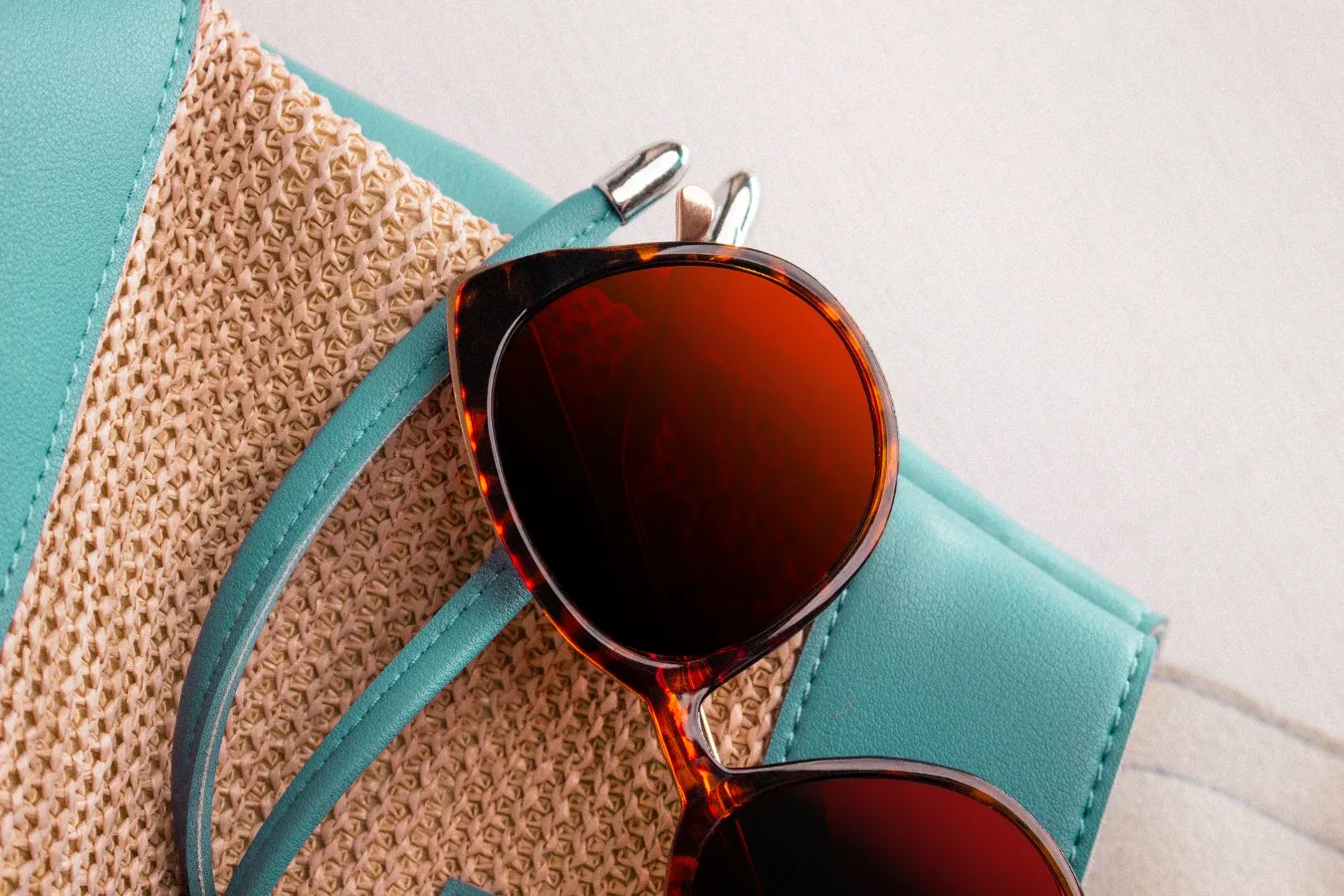
Brown sunglasses are a strong all-purpose choice if you want eyewear that feels easy to wear, looks natural with most outfits, and does not draw attention as much as high-contrast black or brightly colored frames. The real question is not whether brown sunglasses are “good,” but which brown tone, frame shape, and lens type make sense for your face, wardrobe, and daily routine. sunglasses square sunglasses offers more detail on this point.
For most shoppers, brown sunglasses work best as a practical, low-risk option. They suit warm and neutral wardrobes especially well, and they can feel softer than black frames while still looking polished. The trade-off is that brown is broad category: a tortoiseshell frame, a matte caramel frame, and a deep brown wrap style can all create very different results. Black Sunglasses: A Practical Buying Guide offers more detail on this point.
Who brown sunglasses are best for
If you want sunglasses you can wear often without overthinking them, brown is one of the easiest places to start. It tends to blend well with denim, white, beige, olive, navy, tan, and other everyday colors. That makes it useful for people who want one pair to cover errands, commuting, weekend wear, and casual travel.
Brown sunglasses are especially appealing if you prefer a softer look than stark black frames. They can feel less severe around the face, which is one reason many people choose them for longer wear. They also work well for shoppers who like classic style but do not want something that feels too trend-driven.
They are less ideal if you want a very high-contrast, fashion-forward statement piece. In that case, oversized black, white, mirrored, or colored frames may better match the look you have in mind.
The main trade-offs to think about
Brown sunglasses are versatile, but versatility is not the same as perfection. A lot depends on how the color is executed.
- Lighter brown frames often feel softer and more casual, but they may show wear, dust, or fingerprints more easily than darker finishes.
- Darker brown frames can look more refined and anchor the face well, but they may behave similarly to black frames if you want a lighter visual effect.
- Tortoiseshell patterns add depth and texture, but they can be busier and harder to coordinate if you prefer minimal accessories.
- Brown lenses can be comfortable for bright conditions, yet lens tint preference is personal and should be chosen for visibility as much as style.
A common misconception is that brown sunglasses are automatically more flattering than other colors. In reality, frame shape, size, bridge fit, and lens proportion matter just as much as color. A well-proportioned pair in almost any neutral color can look better than a poorly fitting brown frame.
Lens tint matters as much as frame color
People often search for brown sunglasses while thinking only about the frame, but the lens tint can change how the whole pair feels and performs. Brown and amber-tinted lenses are often chosen for their warm appearance and their ability to make the world look a little softer in bright light. For many wearers, that can reduce visual harshness compared with some cooler tints. Red Sunglasses: How to Choose the Right Pair offers more detail on this point.
If you are choosing sunglasses for everyday use, ask yourself how you spend your time. If you move between shade and sun, drive frequently, or want a comfortable option for walking around town, a balanced brown tint can be a practical starting point. If you need sunglasses for a specific activity, the best tint may differ.
Polarized brown lenses are worth considering if glare is a concern, especially around reflective surfaces such as roads, water, or wet pavement. Polarization is not the same as UV protection, though, so those are separate features. A pair can be brown and still offer weak sun protection if it is not properly made or labeled.
Frame materials and what they change
The material of brown sunglasses affects comfort, weight, durability, and the overall look more than many shoppers expect.
Acetate
Acetate frames are common in classic brown and tortoiseshell sunglasses. They often have a richer color depth and can look more substantial on the face. Many people like acetate for its polished appearance and the way it supports bolder shapes. The trade-off is that thicker acetate styles can feel heavier than slim metal frames.
Plastic and resin
These materials can keep sunglasses lightweight and accessible. They are useful for casual wear, but quality can vary widely. A lightweight frame is not automatically better if the hinges are weak or the frame flexes too much around the temples.
Metal with brown accents
Metal frames can work well if you want a more minimal profile. Brown may appear in the lens tint, temple tips, or subtle accent detailing rather than the entire frame. This can be a smart choice for people who want brown sunglasses without a heavy visual presence.
Mixed materials
Combination frames can offer a useful compromise: the visual warmth of brown with the lighter feel of metal or a more durable structure in key stress points. For shoppers focused on long-term value, mixed materials can be worth a closer look.
Fit details that make or break the pair
Even a flattering brown frame can become annoying if the fit is off. Before style considerations, check the basics.
- Bridge comfort: The frame should sit securely without pinching or sliding down your nose.
- Temple pressure: The arms should rest comfortably without squeezing the sides of your head.
- Lens coverage: Sunglasses should shield your eyes well without looking oversized for your features.
- Alignment: The frame should sit evenly, not tilt to one side.
Overlooked detail: some brown frames look great in product photos because the warm color softens the silhouette, but the same design can feel much larger or smaller in real life depending on lens width and bridge size. That is why dimensions matter more than color alone.
If you already know which shapes suit you, use that as a filter first. Round, square, oval, cat-eye, aviator, and wayfarer-inspired styles each create a different effect. Brown can work across all of them, but the shape determines whether the result looks classic, sporty, relaxed, or sharp.
How to style brown sunglasses
Brown sunglasses are easy to coordinate, which is part of their appeal. They tend to work naturally with warm and earthy palettes, but they are not limited to them.
For casual outfits, brown frames pair well with denim, canvas jackets, knits, striped tees, and other understated basics. If your wardrobe leans toward beige, olive, rust, cream, or tan, brown sunglasses usually feel integrated rather than added on.
For smarter outfits, darker brown frames or tortoiseshell styles can look refined without the intensity of black. They are often a good fit for people who want one accessory that can move between relaxed and slightly dressed-up settings.
If your wardrobe is mostly cool-toned or monochrome, brown can still work. The key is to repeat the tone somewhere else, such as in shoes, a watch strap, a belt, or another accessory. That helps the sunglasses feel intentional rather than random.
Situations where brown sunglasses are a smart choice
Brown sunglasses are particularly practical when you want one pair to do a lot of jobs.
- Daily commuting: Neutral styling makes them easy to wear repeatedly.
- Travel: They coordinate with a wider range of outfits than more distinctive fashion colors.
- Outdoor errands: A comfortable, familiar tint can be easier to wear for long stretches.
- Weekend casual wear: Brown often feels relaxed without looking sloppy.
- Office-adjacent style: Certain brown frames look polished enough to wear before or after work.
If you want a single pair that disappears into your routine, brown is often more forgiving than trend-heavy colors. If you want your sunglasses to be the focal point of the outfit, that is a different goal.
What to check before buying
Use these practical checks to narrow your options:
- Frame shape: Choose a shape that suits your face and the level of contrast you want.
- Lens tint: Decide whether you want brown, amber, or a darker neutral tint.
- UV protection: Make sure the sunglasses are appropriate for sun exposure, not just attractive.
- Polarization: Consider it if glare reduction matters in your routine.
- Material: Balance durability, weight, and appearance.
- Fit: Check bridge width, temple length, and overall proportion.
- Finish: Matte brown, glossy brown, and tortoiseshell all send different style signals.
Another common mistake is choosing brown sunglasses because they look good on a model, then ignoring proportion. A frame that is too wide can overwhelm the face, while a frame that is too narrow can feel cramped and look accidental. Brown does not hide poor fit; it only makes the issue a little less obvious at first glance.
Alternatives if brown is not quite right
If you like the idea of brown sunglasses but want to compare nearby options, a few alternatives are worth considering.
- Tortoiseshell: Best if you want brown’s warmth with more texture and visual movement.
- Black: Best if you want maximum contrast and a sharper, more defined look.
- Champagne or beige: Best if you want something lighter and more delicate.
- Green or olive frames: Best if you want an earthy tone that feels a little less common.
- Clear frames with brown lenses: Best if you want subtle styling with a warm tint.
These options can sit close to brown in mood, but they each behave differently in an outfit. Tortoiseshell is the nearest practical alternative for many shoppers because it preserves warmth while adding dimension.
Care and maintenance for brown sunglasses
Care is straightforward, but it matters if you want the frames to keep their color and finish. Wipe lenses with a microfiber cloth rather than a rough shirt sleeve, and store them in a case when they are not in use. That reduces scratches and helps the frame keep its shape.
If your sunglasses have a glossy brown finish, fingerprints may be more visible. Matte finishes can hide smudges better, but they may show rubbing or wear in high-contact areas over time. Tortoiseshell patterns are forgiving visually, yet they still need the same care as any other frame.
A useful habit is to handle the frame by the temples when putting it on and taking it off. That small change helps keep the arms aligned and reduces the risk of loosening the hinges.
Next steps if you are narrowing down a pair
If you already know you want brown sunglasses, the best next step is to decide what matters most: softness, structure, glare reduction, or versatility. That answer will tell you whether to focus on a matte brown frame, a tortoiseshell classic, a slim metal design with brown lenses, or a sportier polarized option.
From there, compare fit and material before color details. Brown is a flexible shade, but the right pair still depends on the practical basics: comfort, proportions, and how well the frame fits your routine. If you get those right, brown sunglasses are one of the easiest accessories to wear often and wear well.
FAQs
Are brown sunglasses flattering?
They can be, especially if you want a softer look than black frames. Flattery depends more on frame shape, size, and fit than on the color alone.
Do brown sunglasses work with everything?
They work with a lot of outfits, especially neutral and earth-tone wardrobes. They are not universal, but they are one of the easiest colors to coordinate.
Are brown lenses or brown frames better?
They solve different problems. Brown frames affect style, while brown lenses affect how the world looks through the sunglasses. Many people choose them together, but you should consider each separately.
Should I choose polarized brown sunglasses?
Choose polarization if glare is a concern in your daily routine. It can be useful for driving, bright pavement, and reflective surfaces, but it is not required for everyone.
Is tortoiseshell the same as brown?
Not exactly. Tortoiseshell usually mixes brown with other tones and creates more visual texture than a solid brown frame.