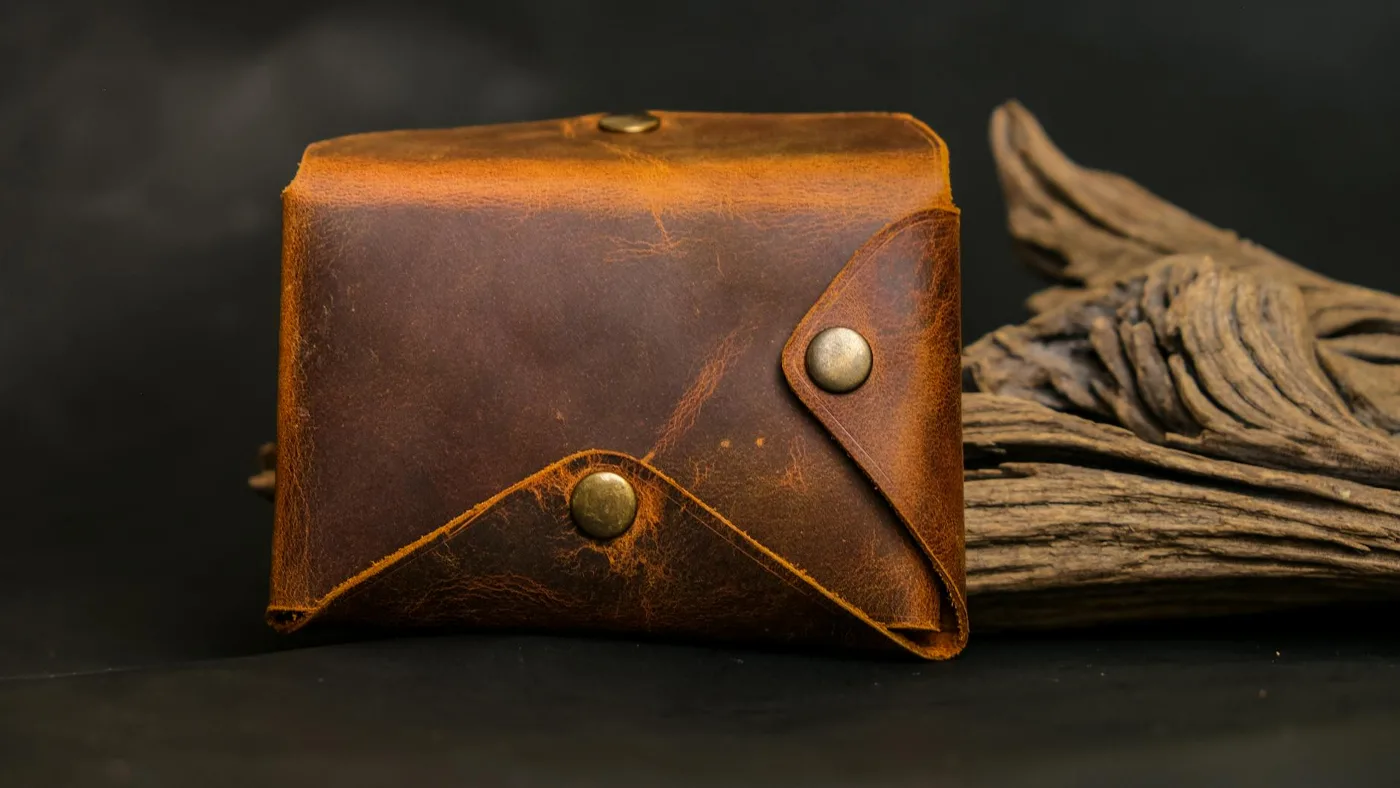
Quick answer: what to look for in a western leather wallet
Leather wallets for men western style usually work best when they combine durable leather, a practical layout, and the right amount of western detail. If you want one wallet that feels authentic without becoming costume-like, focus on the leather type, stitching, capacity, and the specific western accents you actually want to live with every day. Cowboy Wallets for Men: A Practical Guide offers more detail on this point. best men’s wallet styles for everyday carry offers more detail on this point.
The strongest choices tend to be wallets that use a simple billfold or rodeo-style layout, since those formats fit western aesthetics naturally. Tooled leather, embossed patterns, conchos, and distressed finishes can add character, but they should not get in the way of everyday use. A good western wallet should still be easy to carry, hold cards securely, and age in a way that looks intentional rather than worn out.
For most buyers, the right wallet is the one that matches how you carry cash and cards. If you prefer a slimmer pocket profile, a compact bifold usually makes more sense than a long wallet. If you carry a lot of receipts, membership cards, or cash, a rodeo wallet or trifold may be more practical, especially for jeans or jacket pockets.
Why western wallets look different from standard leather wallets
Western wallets stand apart because they borrow from ranch, rodeo, and cowboy styling cues. That can mean floral tooling, basket weave embossing, latigo-style textures, raw or distressed finishes, decorative stitching, stitched border patterns, or a concho accent. The look is rooted in American western wear, but the modern versions range from understated to heavily decorated.
That style difference matters because western wallets often serve two purposes at once: they are everyday accessories and part of an outfit identity. Some men want a wallet that quietly fits the rest of their belt, boots, and hat. Others want a wallet with enough visual detail to feel distinct when it is pulled out at a counter or ride check. Neither approach is wrong, but the best purchase depends on how visible you want the wallet to be.
One common misconception is that western style automatically means bulky. That is not always true. Some of the best western leather wallets keep the decorative work on the exterior while staying relatively trim inside. Others lean into a larger profile by design, especially long wallets and rodeo formats. The right version depends on carry preference more than style alone.
Compare the main western wallet styles
If you are narrowing down options, start with the format before you focus on decoration. The shape and storage layout affect daily comfort more than the pattern on the leather.
| Style | Best for | Trade-offs |
|---|---|---|
| Bifold | Everyday pocket carry, fewer cards, cleaner profile | Less room for bulkier cash stacks or extra cards |
| Trifold | More storage in a compact footprint | Can feel thicker in the pocket |
| Rodeo / long wallet | Cash carry, western styling, jacket or rear pocket use | Not as convenient for front-pocket minimalists |
| Money clip wallet | Light carry, easy access, slimmer build | Usually less organized for cards and receipts |
Bifold wallets are the safest starting point if you want a western look that still behaves like a standard wallet. They are easy to use, familiar, and easy to pair with casual denim or workwear. A western bifold often offers enough surface area for tooling or embossing without becoming oversized.
Trifold wallets provide more slots and can be useful if you carry several cards. The downside is thickness. Once loaded, a trifold may press uncomfortably in a pocket and lose some of its shape over time. If you choose one, look for well-finished edges and stitching, because the extra folds place more stress on the wallet.
Rodeo or long wallets are strongly associated with western style. They suit men who carry cash often or prefer the visual lines of a longer wallet. They can feel authentic in a western wardrobe, especially with boots, jeans, and a belt buckle that already leans rugged. The limitation is simple: they are less discreet and often less convenient for compact carry.
Money clip wallets can work if you want the western aesthetic without much bulk. They are useful for light daily carry, but they are not always the best choice if you need a full set of card slots, ID windows, or room for receipts. They are more minimal, which is either a benefit or a drawback depending on your habits.
The details that separate a good wallet from a gimmick
Western styling can hide quality differences, so the details matter. Leather type is one of the biggest indicators of long-term satisfaction. Full-grain leather generally offers the most character over time because it develops a patina and tends to age naturally. Top-grain leather can also be a good option when the finish is even and the construction is solid. Lower-grade leather or heavily coated materials may look polished at first but can wear less gracefully. guide to full-grain leather offers more detail on this point.
Construction matters just as much as material. Clean edge finishing, straight stitching, reinforced stress points, and tight slot construction all help a wallet hold up under daily use. Western details should feel integrated, not pasted on. If tooling, embossing, or decorative overlays look uneven or interfere with opening and closing, the design may be prioritizing appearance over function.
Storage layout is another overlooked factor. A wallet with too many card slots may seem appealing, but overfilling it can stretch the leather and make it harder to close. A simpler layout often lasts longer because it encourages realistic use. If you usually carry only a few cards, do not pay for a layout built for much heavier loads.
Hardware deserves attention too. Conchos, snaps, magnetic closures, and chains are all associated with western accessories, but each one adds a different kind of maintenance or wear risk. A snap can be handy, while decorative hardware can also catch on fabric or eventually loosen. If the hardware is the main appeal, make sure the wallet still functions well on its own.
How to choose based on your carry habits
The best western wallet for one man may be a poor fit for another because carry habits vary so much. Think through what you actually keep in your wallet rather than what the product photos suggest.
- If you carry mostly cards: choose a bifold with clean card slots or a slim money clip wallet.
- If you carry cash regularly: look at a bifold with a strong bill compartment or a rodeo wallet.
- If you carry IDs, work cards, and receipts: a trifold or long wallet may be more practical.
- If you want the western look to show: choose a wallet with tooling, stitching, or a concho that is visible on the exterior.
- If you want subtle western style: look for leather, stitching, and shape first, then choose minimal decoration.
Fit is not only about pocket size. It is also about the way the wallet behaves after it fills up. A wallet that feels perfect empty may become awkward once loaded with cards and folded bills. That is why a little restraint is often better than buying the largest available option.
Another practical nuance: front-pocket carry changes the equation. A rugged western bifold may still be comfortable in a front pocket if it stays relatively slim. A long wallet usually works better in a rear pocket or jacket pocket. If you like the style of a rodeo wallet but hate bulky pockets, consider whether you actually need the full length every day.
Style considerations that matter in real life
Western wallets are often chosen as much for appearance as utility, so the styling choice should be deliberate. A wallet that matches your boots, belt, or overall wardrobe can feel cohesive. But a wallet that is too ornate for your usual outfits may look out of place, especially if your clothing leans modern or business casual.
There is also a difference between authentic western influence and novelty styling. Subtle tooling, honest leather texture, and restrained stitching usually age better than oversized graphics or excessive embellishment. If you want something versatile, lean toward classic western motifs rather than highly themed designs.
Color plays a role too. Brown, tan, saddle, and distressed finishes are the most adaptable in western menswear. Black leather can still work, especially for a sharper or more understated look, but it often reads less traditional unless the tooling or hardware brings the western character through clearly.
For men who dress in denim, work shirts, boots, and jackets, a western wallet can feel like a natural extension of the wardrobe. For others, it may be more of a statement accessory. In either case, the goal is balance: the wallet should complement your style rather than dominate it.
Common mistakes to avoid
Buying a western leather wallet is not complicated, but a few mistakes show up often.
- Choosing style before function: a wallet that looks great but is hard to use will get frustrating quickly.
- Overstuffing too many slots: loading every pocket can distort the shape and shorten the wallet’s useful life.
- Ignoring leather quality: decorative tooling does not guarantee durable leather.
- Picking hardware that does not suit your routine: snaps, chains, or oversized conchos can be useful, but they are not for everyone.
- Buying the most detailed option by default: some western designs are best when the decoration stays subtle.
- Forgetting about pocket fit: a wallet can look ideal online and still feel awkward in daily carry.
A less obvious mistake is assuming all western wallets are meant to be large. That assumption leads some buyers to overlook slimmer options that might suit them much better. Western style can be expressed through leather finish, stitching, and shape rather than just size.
Care and longevity
Leather wallets last longer when they are not constantly overloaded and when they are kept reasonably clean and dry. That is especially true for wallets with tooling or textured surfaces, where grime can collect in grooves and decorative areas. Wiping the surface gently and storing the wallet away from prolonged moisture helps preserve its appearance.
If the wallet has a finish that is meant to age, some wear is part of the appeal. Patina, softening, and slight creasing can make the leather look better over time. The goal is not to keep it looking factory fresh forever. The goal is to let it age in a controlled way instead of becoming misshapen.
Conditioning may be appropriate depending on the leather type, but it should be done sparingly and only with products suitable for the material. Over-treating leather can make it feel greasy or alter the finish. If the wallet has decorative elements, test care methods carefully and avoid assuming one treatment suits every surface.
Who western leather wallets suit best
Western leather wallets make the most sense for men who like durable materials and a style that feels rooted in workwear, ranch wear, or classic American casual dress. They also suit anyone who wants an accessory with more character than a plain wallet, but without moving into flashy territory.
They are especially useful if you want your wallet to coordinate with other western accessories such as a tooled belt, boots, or a denim-heavy wardrobe. At the same time, they can work for men who simply want a rugged leather billfold with a little personality. The style range is broad enough to be expressive without becoming niche.
If your priority is maximum minimalism, a western wallet may still be a good fit, but you will probably want a simple bifold or slim money clip rather than a heavily decorated rodeo style. If your priority is organizing lots of cards and cash, a longer or trifold design may make more sense, even if it adds some bulk.
The best choice is the one that reflects your habits first and your style second. With western wallets, those two priorities can overlap nicely, but only if you choose the format and detailing with care.