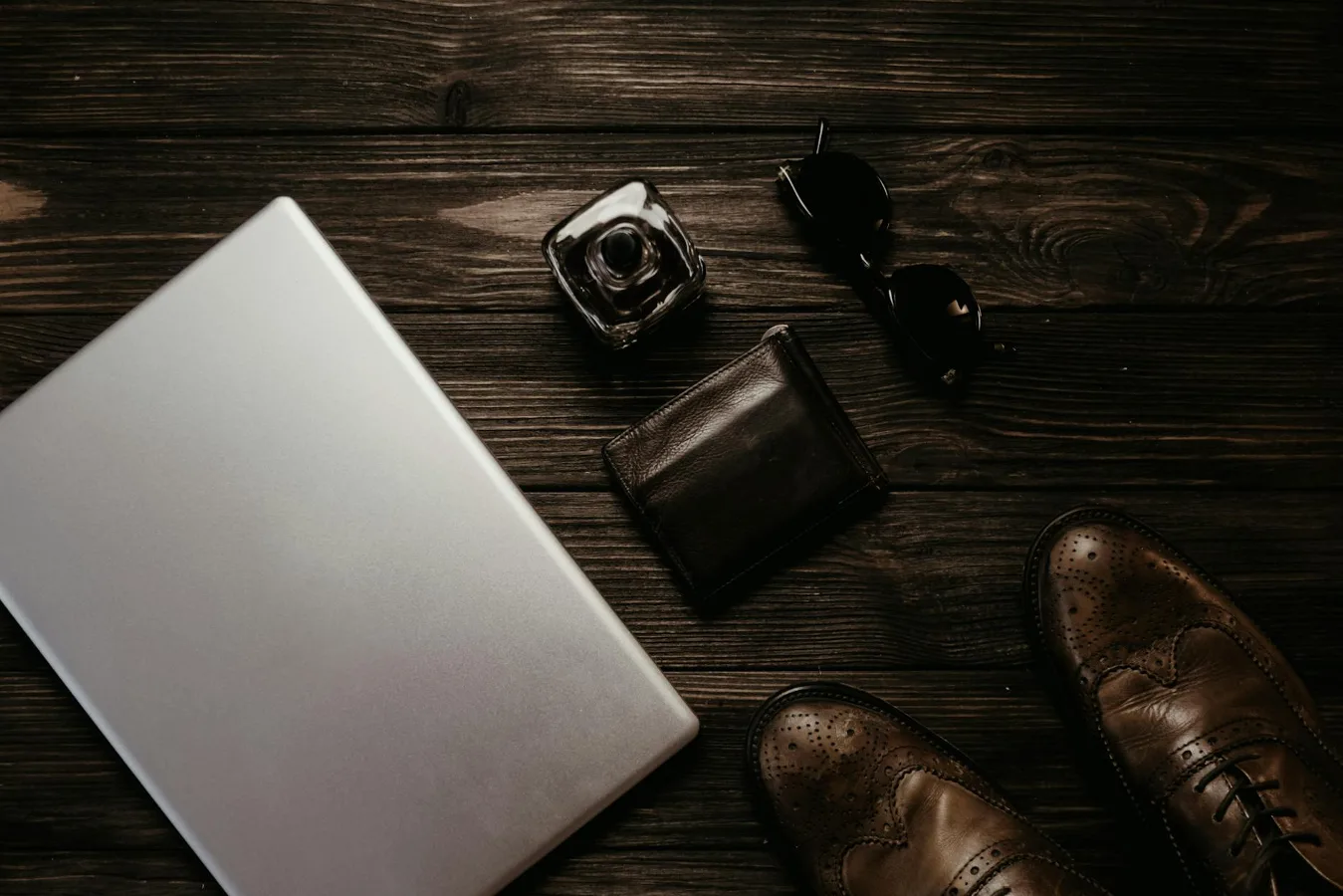
Western wallets for men are best chosen as a balance of style, carry comfort, and durability. If you want the look of tooled leather, distressed finishes, stitching details, or rodeo-inspired design without ending up with a bulky wallet that is awkward in daily use, focus on the construction first and the Western styling second. Western Leather Belts for Men: A Buying Guide offers more detail on this point. work belts for men offers more detail on this point.
The right choice depends on how you carry money and cards, how much pocket space you have, and how much visual detail you want. Some Western wallets are built for everyday minimal carry. Others are more decorative and work better as an occasional statement piece or gift. The key is matching the wallet to real use, not just the theme.
What makes a wallet feel truly Western
Western style is usually communicated through a combination of materials, texture, and decoration. Common elements include genuine leather, embossed or tooled patterns, contrast stitching, conchos, stitched borders, rugged finishes, and traditional billfold silhouettes. The look can lean classic ranch, rodeo, Southwestern, or modern rustic.
That said, not every wallet with fringe, embossing, or a bronzed logo is a good wallet. A Western wallet still needs to function like a wallet: it should hold cards securely, fit your pocket comfortably, and age in a way that suits the material. Decorative details matter, but they should not crowd out everyday usability.
Start with the buyer scenario, not the design
The most useful way to shop for western wallets for men is to begin with the scenario. The best wallet for a truck driver, a ranch hand, an office commuter, and a gift shopper can be very different.
Choose based on how it will be used
- Everyday carry: Look for a slim bifold or compact trifold with enough card slots for daily essentials.
- Gift purchase: A decorative wallet with Western detailing can make sense if the recipient likes rustic style.
- Formal or mixed wardrobe: A restrained leather wallet with subtle tooling or stitching is usually easier to pair with different outfits.
- Long days on the move: A thinner profile reduces pocket pressure when sitting, driving, or working outdoors.
A common mistake is buying the most visually impressive wallet and only later realizing it feels too thick in the pocket. Western style is versatile, but carry comfort still decides whether the wallet gets used every day.
Trade-offs to expect before you buy
Western wallets often sit in a trade-off zone between ornament and practicality. More decoration can make a wallet look distinctive, but it may also increase thickness, weight, or the risk of finish wear over time. By contrast, simpler western-inspired designs are easier to carry but may feel less distinctive.
Another trade-off is between softness and structure. Softer leather often feels comfortable and breaks in well, but it may stretch faster if overloaded. Firmer leather can hold its shape better, yet it may need more time to become comfortable in the pocket. Neither choice is automatically better; it depends on your priorities.
There is also a visual trade-off. A wallet with bold tooling, turquoise accents, or heavy contrast stitching makes a stronger statement, but it may be harder to coordinate with everyday business clothing. A more understated leather billfold is easier to wear across settings.
Material and build factors that matter most
For western wallets for men, materials are not just about appearance. They affect durability, feel, aging, and how well the wallet holds up under regular pocket use. Leather remains the most common choice, but the quality and finishing vary widely.
Leather quality and finish
Leather wallets can range from smooth, refined finishes to rugged, distressed, or tooled surfaces. The best material choice depends on the look you want and how much wear you expect. A wallet intended for daily carry should have edges, stitching, and folds that are cleanly finished, because those areas usually reveal build quality first.
If you like a weathered look, remember that patina and scuffing are part of the appeal. If you prefer a cleaner appearance, choose a finish that resists obvious marking and check how the wallet is treated around corners and seams.
Tooled leather and embossed detailing
Tooled and embossed leather are among the most recognizable Western wallet features. Tooling can add depth and authenticity, but it also introduces texture that may wear differently than smooth leather. Embossed patterns are often less bulky than heavily layered decorative elements, which can make them a better choice for daily carry.
If you are comparing two wallets that look similar, check whether the pattern is purely decorative or part of the wallet’s structure. Lightweight decoration usually wears more gracefully than glued-on trim that may lift with time.
Stitching, edges, and reinforcement
Strong stitching is a practical signal of long-term value. On a wallet, stitching around the perimeter and card compartments helps the shape stay intact under repeated use. Neat edges also matter because rough finishing can fray or feel uncomfortable in the hand and pocket.
Pay special attention to stress points such as the fold, corner seams, and card-slot openings. A wallet can have attractive styling and still be poorly finished if those areas are weak.
Pick the right silhouette for your carry style
Western wallets come in several familiar formats, and the best one depends on how much you carry and how slim you want the profile to remain.
Bifold
A bifold is the most versatile option for many buyers. It usually offers a balanced mix of capacity and comfort, and it tends to work well when you want a classic Western look without extra bulk. A bifold also usually transitions more easily between casual and semi-dress settings.
Trifold
A trifold can carry more, but that extra storage often comes with a thicker profile. For buyers who keep many cards, a trifold may be convenient. For anyone sensitive to pocket bulk, it may feel too heavy or stiff, especially before it breaks in.
Money clip and minimalist styles
Some Western-themed wallets use a money clip or minimal card-holder design. These appeal to buyers who want a lighter carry and prefer a cleaner pocket feel. The trade-off is obvious: less space for receipts, extras, and a larger cash load.
If you rotate between jeans, boots, jackets, and dress pants, a slimmer wallet may be the most practical option. Decorative styling can still be present through leather texture, stitching, or subtle tooling rather than full-panel ornamentation.
Size and pocket comfort deserve more attention than they get
One overlooked consideration is how the wallet feels when you sit down. A wallet that looks great on a table can become annoying in a back pocket, especially if it is thick, rigid, or filled beyond its intended capacity. Western wallets often have a bold look, but that should not come at the expense of daily comfort.
Think about where you usually carry a wallet. Front-pocket carry usually calls for slimmer designs with rounded edges. Back-pocket carry allows more traditional shapes, but the wallet should still not be so thick that it creates pressure or distorts your seating posture.
It also helps to consider whether the wallet will be carried with other items such as keys, a phone, a knife, or a work badge. If your pockets are already crowded, a lower-profile wallet is the safer choice.
Style details that influence how it wears with your wardrobe
Western wallets can be subtle or highly expressive. The right version depends on whether you want the wallet to act as a visible style piece or a quiet functional accessory.
- Subtle Western cues: Smooth leather, simple stitching, and a restrained silhouette work with more outfits.
- Mid-level detail: Light tooling, stitched borders, or contrast accents create interest without overpowering the look.
- Statement styling: Strong embossing, conchos, or decorative overlays draw attention and fit more clearly into Western or country-inspired wardrobes.
If your clothes already include Western elements like boots, denim, belts, and snap shirts, a wallet with bolder details may feel cohesive. If your wardrobe is mostly neutral and urban, understated leather is easier to integrate.
Common limitations to keep in mind
Some Western wallets lean more toward decorative presentation than everyday practicality. That does not make them bad, but it does mean you should know what to expect.
Heavily decorated wallets can be bulkier, less flexible at first, and more sensitive to wear on raised surfaces or textured finishes. Very slim wallets may look clean but leave little room for receipts, store cards, or spare cash. If you routinely carry more than the basics, this matters more than style descriptions suggest.
Another limitation is that some visually bold wallets work best as gifts or special-occasion accessories rather than hard-use daily carry items. If you need a wallet for work, travel, or constant pocket use, practicality should win over presentation.
How to compare western wallets before buying
A simple comparison checklist makes the decision easier:
- Capacity: Does it hold your normal card load without stretching?
- Profile: Will it stay comfortable in your usual pocket?
- Leather feel: Do you prefer soft, broken-in texture or firmer structure?
- Design level: Do you want subtle Western accents or a stronger statement?
- Construction: Are the seams, slots, and edges finished cleanly?
- Use setting: Will it fit casual wear, workwear, or both?
This kind of comparison is more useful than chasing the most ornate design. A wallet that fits your routine will age better in practice because you will actually use it.
Alternatives worth considering if you are undecided
If you like the Western aesthetic but are not sure a fully decorated wallet is the right move, there are a few practical alternatives.
A plain leather bifold with rustic stitching can deliver a Western feel without going full theme. A minimalist card holder in brown or tan leather can echo Western materials while keeping the carry slim. For gift buyers, matching the wallet with a belt, key fob, or card case can create the same style impression without requiring the wallet itself to be highly decorative. bifold vs trifold wallet guide offers more detail on this point.
These alternatives are especially useful if you want something that works across more settings. The more universal the wallet needs to be, the more restrained the styling should usually become.
Next steps for choosing the right wallet
Before you buy, decide what matters most: carry comfort, visual character, capacity, or gift appeal. Then narrow your search by silhouette and material rather than by decoration alone. That order of decision-making prevents the most common mistake, which is choosing a wallet for the look and discovering later that it does not fit the way you actually carry.
If you want a dependable everyday option, look first at a well-finished bifold in genuine leather with moderate Western detail. If you want a stronger style statement, choose a more decorative wallet, but keep an eye on thickness, stitching quality, and pocket comfort. If your goal is a gift, prioritize an attractive finish and a broadly useful format so the wallet feels special without becoming impractical.
Western wallets for men work best when they combine character with restraint. The right one should look like it belongs in a Western wardrobe, but still behave like an everyday wallet.