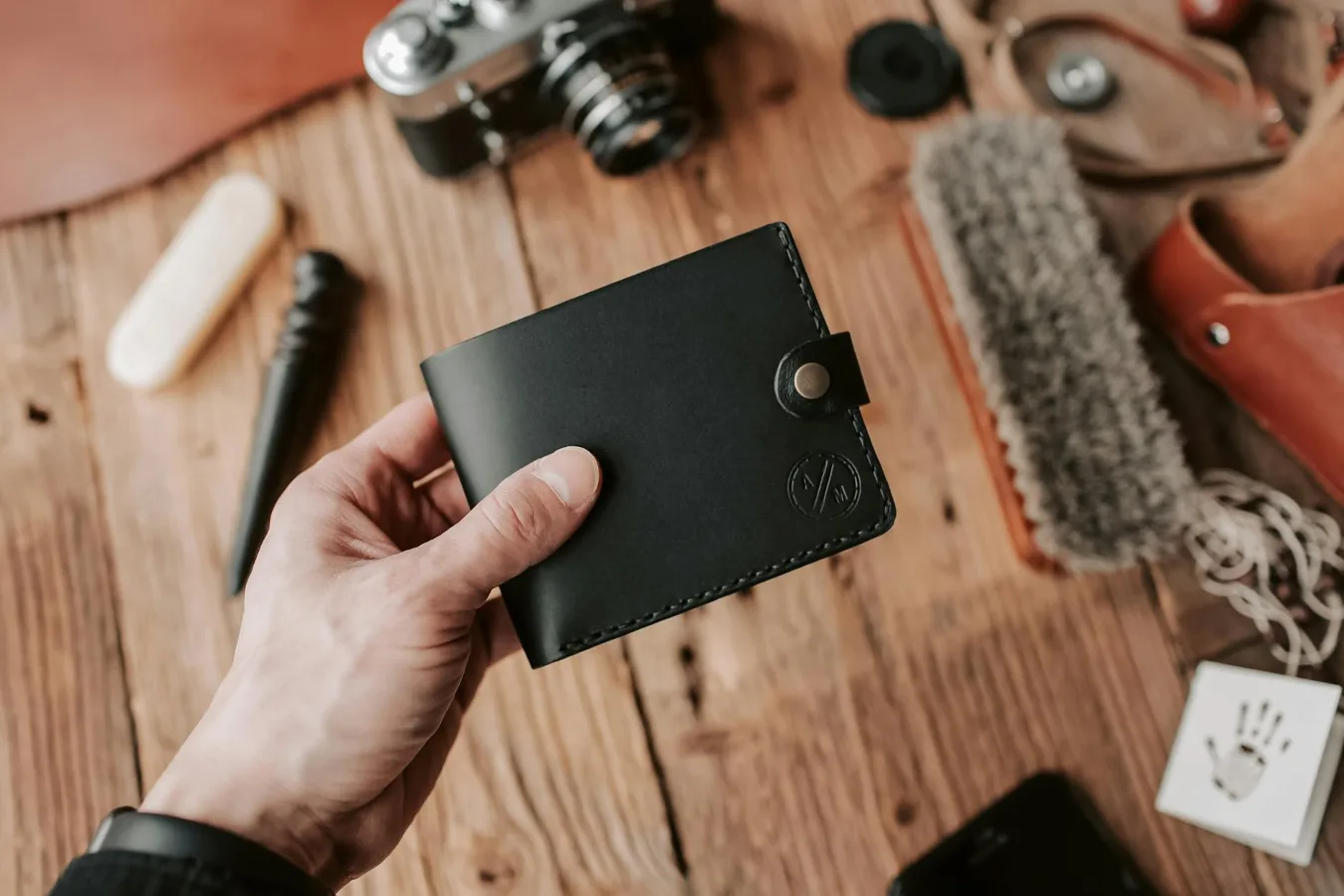
Quick answer: what makes a wallet unique?
Unique wallets for men usually stand out in one of three ways: a different silhouette, a less common material, or a smarter way to organize everyday carry. That might mean a front-pocket wallet, a metal card holder, a slim bifold with an unusual texture, a wallet with a money clip, or a design built around travel, cards, or minimal bulk. men’s accessory essentials offers more detail on this point.
The best choice is not the most unusual-looking one. It is the wallet that fits your carry habits, clothing, and daily routine without making life harder. A wallet can be distinctive and still practical; the goal is to find the right balance between style, capacity, and comfort.
How to judge unique wallets for men
“Unique” means different things depending on the buyer. For some men, it is about understated details such as grain, stitching, or a folded leather construction. For others, it is a more obvious design like a carbon-fiber card holder, a vertical bifold, or a wallet that swaps a billfold for a magnetic money clip. The smartest approach is to evaluate the wallet by how it works in real life, not just how it looks online. gift ideas for men who like practical gear offers more detail on this point.
Style and silhouette
The silhouette affects both appearance and comfort. A traditional bifold feels familiar and often works well for men who still carry cash, receipts, and several cards. A slim card holder or front-pocket wallet feels more modern and may suit lighter carry habits. Vertical wallets, trifold designs, and modular wallets can look distinctive, but they also change how you access cards and cash.
If the wallet is meant to be a style statement, look at proportion first. A bold material or an uncommon shape can be more effective than decorative hardware. Many wallet designs become less appealing once they bulge, crease awkwardly, or overwhelm a smaller pocket.
Materials and texture
Materials are one of the easiest ways to make a wallet feel unique. Full-grain leather, top-grain leather, canvas, nylon, metal, cork, and hybrid constructions all create different visual and tactile impressions. Leather usually feels more traditional and ages in a recognizable way. Metal and composite wallets lean more modern. Fabric-based wallets can be lighter and more casual, though they may not offer the same polished look.
Texture matters almost as much as the base material. Pebbled leather, smooth leather, woven panels, and matte finishes all change the character of the wallet. A subtle texture often ages better visually than a highly decorative surface, especially for everyday use.
Storage layout
Many people buy a distinctive wallet and then discover the layout does not match how they carry. Count the things you actually use: ID, credit cards, debit cards, transit cards, business cards, cash, receipts, or spare keys. A wallet with clever styling is not helpful if it forces you to overstuff it or makes cards hard to reach.
Some unique wallets for men use a minimalist layout with just a few card slots. Others add features such as pull tabs, cash straps, coin pockets, or hidden compartments. These extras can be useful, but they also add bulk and sometimes complexity. If you want a wallet that remains useful for years, choose the layout that fits your habits today rather than a theoretical future carry setup.
Comfort and pocket fit
A wallet is a pocket item, so comfort matters more than many shoppers expect. A wallet that looks great on a desk may still feel awkward in jeans, chinos, or a jacket pocket. Front-pocket wallets are often chosen because they reduce sitting discomfort and help keep carry slim. Traditional bifolds can still work well, but they deserve a closer look if you typically sit for long periods.
One overlooked consideration is how the wallet behaves when partially full. Some unique designs only look clean when loaded in a very specific way. If you carry receipts, folded bills, or several thick cards, the shape may distort. That does not automatically make the wallet a bad option, but it does affect whether the design is genuinely practical.
Comparing the main wallet styles
Unique wallets for men do not need to be unusual in every category. Sometimes a familiar format with one smart twist is the best answer. The comparison below can help narrow the field.
| Wallet style | What stands out | Best for | Possible drawback |
|---|---|---|---|
| Front-pocket wallet | Compact and easy to carry discreetly | Minimal everyday carry and comfort | Limited space for cash and extras |
| Slim bifold | Classic format with reduced bulk | Men who want familiar organization in a cleaner profile | Can still feel bulky if overfilled |
| Vertical wallet | Less common shape and distinct access pattern | Users who want a more contemporary look | May require a short adjustment period |
| Card holder | Very slim and modern | Light card-only carry | Not ideal for cash-heavy routines |
| Money clip wallet | Combines structure with a simple cash solution | Men who carry a few cards plus bills | Less protective for loose bills |
| Coin-pocket wallet | Practical storage for loose change | Travel, commuting, and cash users | Usually bulkier than minimalist options |
| Metal or composite wallet | Modern materials and sharp visual identity | Durability-focused shoppers and tech-forward style | Can feel rigid in pocket use |
The right style depends on which compromise you can live with. A slim card holder may feel elegant, but it is not a good fit if you carry cash regularly. A coin-pocket wallet can be highly practical, but it may lose the clean profile many people want from a unique accessory. The best wallets are usually the ones that solve a routine problem without creating a new one.
What often gets overlooked
One common misconception is that “unique” automatically means “better.” In reality, many unusual wallets are simply different, not more useful. A highly original fold, a striking pattern, or a rare material may look appealing, but the design still needs to handle daily friction: repeated opening, card access, pocket wear, and the slow accumulation of bulk.
Another overlooked factor is how the wallet fits with the rest of a man’s wardrobe. A sleek metal wallet can look sharp with modern tailoring, but it may feel out of place with rugged boots and workwear. Likewise, a heritage leather wallet may suit classic dressing better than a highly technical wallet with exposed hardware. The best choice often complements the rest of the accessories rather than competing with them.
Travel habits also matter. If you move through airports, train stations, or busy city environments, the wallet’s layout and accessibility become more important than novelty. Easy card access, secure storage, and a profile that does not attract unnecessary attention can all be more valuable than visual flair.
How to choose based on use case
If you want a unique wallet for yourself, start with how you actually carry.
- For minimal carry: choose a card holder, slim sleeve, or front-pocket wallet.
- For mixed cash and cards: a slim bifold or money-clip design is often the most balanced choice.
- For travel: look for organized storage, easy access, and a shape that works in a jacket or carry-on bag.
- For formal style: smooth leather, restrained stitching, and a clean profile usually work best.
- For casual or rugged style: canvas, waxed fabric, textured leather, or hybrid materials can feel more distinctive.
If you are shopping for a gift, the safest route is usually a wallet that looks special without being difficult to use. A highly experimental design can be memorable, but only if the person will actually want to carry it. Neutral colors, quality materials, and a recognizable layout often make a better long-term gift than novelty alone.
Common mistakes to avoid
The biggest mistake is buying for the display photo rather than the pocket. A wallet may look refined when empty and fail once cards, bills, and receipts are added. Check whether the wallet is designed for the amount you really carry, not the minimum it can technically hold.
Another mistake is ignoring access. Some compact wallets require cards to be stacked tightly, which can slow down everyday use. Others make cash storage awkward. If you pay attention to card and cash movement during the day, you will often spot the trade-off quickly.
It is also easy to overvalue a novelty feature. RFID-blocking layers, hidden compartments, or magnetic closures can be useful in the right context, but they are not reasons to buy on their own. Focus on whether the feature improves your routine. Otherwise it just adds complexity.
Finally, do not assume that a more expensive wallet will automatically be more distinctive or more durable. Craft, finish, material choice, and construction quality matter, but the price alone does not guarantee that the design will age well or suit your lifestyle.
Materials that tend to age well
For many shoppers, the most appealing unique wallets for men are the ones that develop character over time. Leather is the most familiar example, especially when the finish is meant to soften with use. Over time, natural wear can give a wallet a richer look, though that same aging process may be a drawback if you want something that stays crisp. leather chain wallets for men offers more detail on this point.
Other materials offer a different kind of longevity. Metal and composite designs often keep their shape well, while technical fabrics may resist everyday scuffing and feel lighter in use. The trade-off is that these materials may not offer the same warmth or classic feel as leather. If your style leans traditional, a distinctive leather grain or color may be the better path. If your style is more modern, a harder-edged material can make the wallet feel more intentional.
When a unique wallet is not the best choice
There are times when a straightforward wallet is better than an unusual one. If you need quick access to multiple cards throughout the day, a very original layout may slow you down. If you rotate between different bags or pockets, a wallet with a nonstandard shape may be less convenient. And if you are buying for someone who values simplicity above all else, a subtle, classic wallet may be more appreciated than a highly stylized option.
That does not mean unique wallets are impractical by default. It means the design should support a real need. A wallet that is unusual only for the sake of being unusual can feel gimmicky after the novelty wears off.
Practical alternatives worth considering
If a single unique wallet does not seem like the right fit, a few alternatives can still give you a distinctive result.
- Wallet sleeve: very slim and easy to carry, especially for card-focused routines.
- Money clip: useful if you want minimal bulk but still need a place for bills.
- Travel organizer: better for passports, tickets, and multiple documents than a standard wallet.
- Card case with ID window: a simple solution for people who need fast access to identification.
- Hybrid wallet: combines classic styling with modern features such as pull tabs or RFID layers.
These alternatives can be especially useful if the goal is not to impress with a singular design but to improve how you carry. In many cases, a restrained design with one unusual detail is more wearable than an aggressively unconventional wallet.
Choosing with long-term value in mind
Long-term value usually comes from restraint. A wallet that is thoughtfully made, easy to use, and suited to your routine often lasts longer in your rotation than one bought for novelty alone. Look for a design that matches your clothes, your commute, and your actual storage needs. If you want a distinctive accessory, aim for one strong feature rather than several competing ones.
For most buyers, the best unique wallet for men is the one that feels personal without becoming inconvenient. That might be a slim leather bifold with unusual stitching, a minimalist metal card holder, or a compact front-pocket wallet that finally solves the bulk problem. Distinctive is useful only when it still works every day.