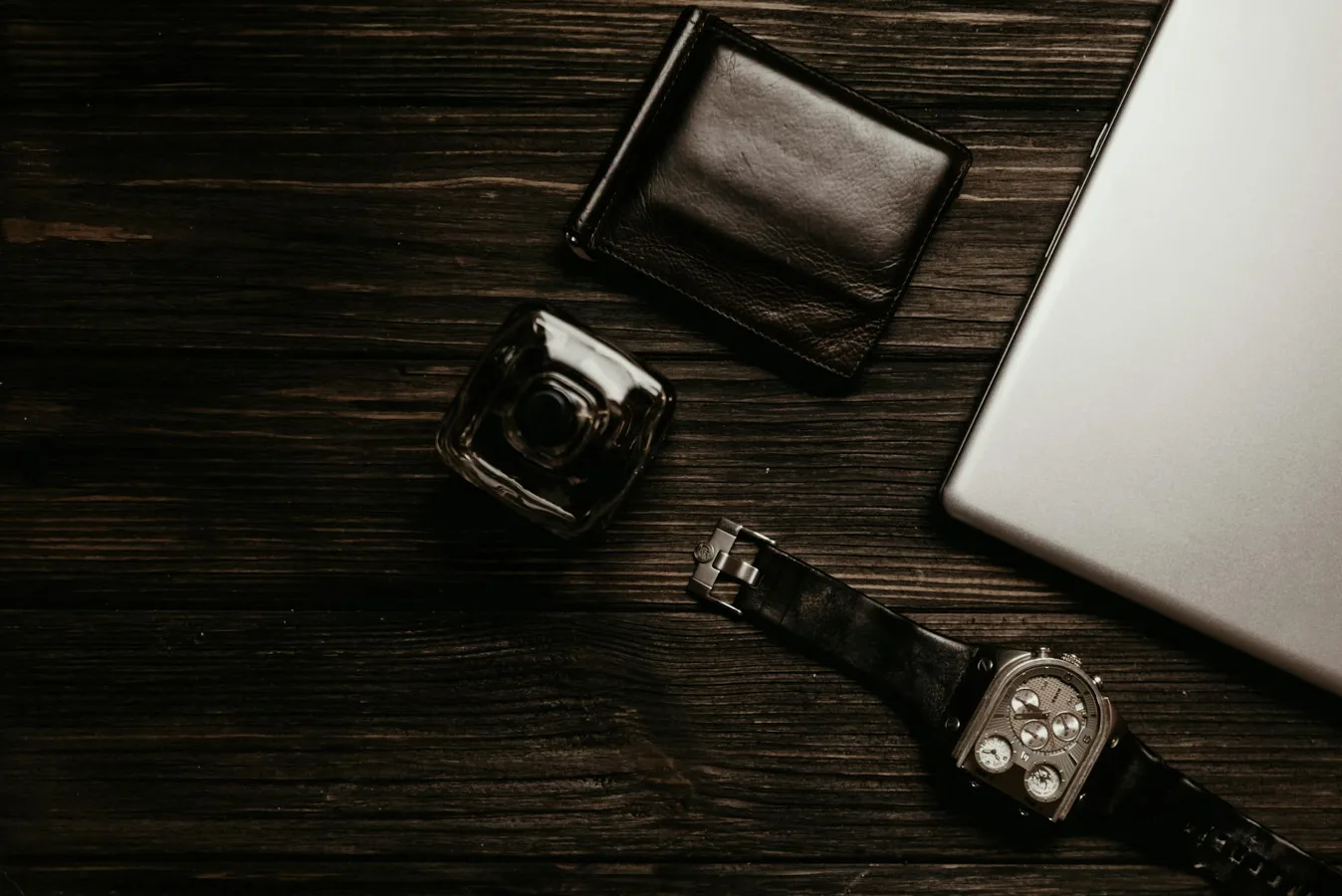
Bi-fold wallets for men are the standard choice for anyone who wants a familiar shape, a straightforward layout, and enough room for cards and cash without moving to a bulkier wallet. They are easy to understand, easy to use, and still flexible enough to work for different lifestyles—from office commuters to weekend carry. Engraved Wallets for Men: A Buyer’s Guide offers more detail on this point. Western Wallets for Men: Buyer’s Guide offers more detail on this point.
If you are comparing bi-fold wallets, the real question is not whether they exist; it is which one fits your daily habits. The best option depends on how many cards you carry, whether you still use cash, how much pocket bulk you can tolerate, and whether you want a wallet that breaks in softly or keeps its structure.
Why bi-fold wallets still make sense
A bi-fold wallet folds once down the middle, creating two panels that usually hold cards, cash, and sometimes an ID window or a coin pocket. That simple construction is part of the appeal. It gives you more room than a minimalist card holder, but it is less demanding than larger trifold styles or travel wallets.
For many men, the bi-fold hits a useful middle ground. It feels traditional, it is easy to open and scan, and it usually slips into a back pocket or jacket pocket without much fuss. That said, the format is not ideal for everyone. If you carry a large number of cards, receipts, transit passes, or business cards, a bi-fold can become thick quickly.
Start with your carry habits, not the wallet type
The most common mistake is buying a wallet based on appearance alone. A bi-fold that looks refined online can feel awkward in daily use if the layout does not match your routine. Before looking at materials or brand names, think through what actually goes in the wallet.
Ask yourself these practical questions
- How many cards do you use every day?
- Do you carry cash regularly, or only occasionally?
- Do you want a wallet that stays slim in a front pocket?
- Do you prefer quick access or tighter security around contents?
- Will you use it for work, travel, or casual everyday carry?
Your answers will quickly point you toward the right size and layout. Someone carrying four or five essentials can choose a slimmer bi-fold with fewer slots. Someone who uses a stack of loyalty cards, multiple IDs, or receipts may need a fuller layout, but should pay close attention to bulk and stitching quality.
Materials matter more than most buyers expect
Material choice affects how a bi-fold wallet feels on day one, how it ages, and how much attention it needs later. For most shoppers, the main decision is between leather and non-leather constructions, but even within those categories there are meaningful differences.
Leather
Leather is the classic option for bi-fold wallets because it can balance structure and flexibility well. Full-grain and top-grain leather are often associated with better long-term wear, though the exact feel depends on how the wallet is made. Leather can soften with use and develop character over time, but it also needs reasonable care. If you want a cleaner, more refined look for work or dress occasions, leather usually fits that brief.
Synthetic and fabric options
Synthetic materials and fabric-based wallets can be lighter, sometimes more water-friendly, and often more casual in appearance. They may suit travelers, students, or anyone who wants a lower-maintenance wallet. The trade-off is that they may not develop the same patina or long-wear appeal as good leather, and some can show wear differently over time.
Hybrid constructions
Some wallets combine leather exteriors with lined interiors, metal card mechanisms, or reinforced seams. These can be useful if you want a classic look with a more structured or modern layout. Just remember that extra features can add thickness and complexity without improving everyday usability for everyone.
Pay attention to size, thickness, and pocket comfort
One of the overlooked realities of bi-fold wallets for men is that the wallet often feels different once it is loaded. A design that seems slim in photos can become much thicker after cards, receipts, and folded bills are added.
This is why pocket comfort matters as much as appearance. A wallet that presses awkwardly in a back pocket can be distracting during long commutes or while sitting for extended periods. A slightly slimmer bi-fold may be better for front-pocket carry, while a more traditional size may suit jacket pockets or briefcases better.
Shape also matters. Some bi-folds are cut with rounded corners and flatter profiles to reduce visible edges. Others are built with firmer structure so they hold shape better in a bag or coat pocket. Neither is universally better; the choice depends on whether you value softness or form.
Layout details can make or break everyday use
Inside the wallet, small design choices make a real difference. A bi-fold can have card slots on both sides, one long bill compartment, hidden pockets, a clear ID window, or a combination of these. More slots do not automatically mean a better wallet.
Too many compartments can encourage overpacking. That leads to bulk, slower access, and worn-out seams. A cleaner layout is often easier to live with if you are trying to keep things organized. On the other hand, if you carry work badges, transit cards, or an ID that you use frequently, one well-placed window or quick-access slot may be genuinely useful.
What to look for in the layout
- Card access: slots should hold cards securely without making them hard to remove.
- Bill compartment: it should accommodate your usual cash folding method.
- ID storage: useful if you present identification often, but not necessary for everyone.
- Hidden pockets: helpful for backup cards or emergency cash if they do not make the wallet bulky.
- Stitching and lining: important for long-term durability and a cleaner interior feel.
Durability comes from construction, not just the label
Two wallets can be made from similar materials and still age very differently. The way a wallet is cut, stitched, edged, and finished has a direct impact on durability. A bi-fold that uses neat, consistent stitching and reinforced stress points is usually a safer choice than one that looks premium only from the outside.
Inspect the seam lines, the fold, and the corners. These are the places most likely to show wear first. If the wallet is leather, edge finishing matters because rough or poorly sealed edges may fray or crack sooner. If it is synthetic or fabric-based, look for strong reinforcements where the wallet folds and where the slots meet the main body.
Durability also depends on how much you ask the wallet to carry. A wallet loaded beyond its intended capacity will stretch card slots and weaken the fold more quickly, regardless of brand or material.
Style choices should match how you actually dress
Bi-fold wallets are often chosen because they feel versatile. That versatility is real, but style still matters. A polished leather wallet suits business casual outfits, formalwear, and classic wardrobe basics. A matte, textured, or fabric wallet may work better for relaxed clothing, outdoor wear, or a more modern look.
Color is another practical decision. Black and dark brown are the easiest to pair with most wardrobes and tend to read as conservative. Lighter browns, tan, or textured finishes can look less formal but often show wear differently. If the wallet is meant as a gift, a neutral color is usually the safest option unless you know the recipient’s preference. guide to black sunglasses offers more detail on this point.
Security features: useful for some buyers, unnecessary for others
Some bi-fold wallets include RFID-blocking materials. For certain shoppers, that feature offers reassurance. For others, it adds cost and may have little impact on daily convenience. The key is to view it as one factor, not a defining reason to buy.
Security is not only about RFID, either. A wallet that closes cleanly, holds cards snugly, and does not overexpose contents in a pocket may be more practical than a feature-heavy design. If you travel often or keep sensitive cards in your wallet, controlled access and good organization may matter more than extra compartments.
How to choose the right bi-fold for your needs
The best choice usually becomes clearer once you match wallet style to use case. Different users benefit from different design priorities, and forcing one wallet to do everything often leads to disappointment.
| Use case | What to prioritize | What to avoid |
|---|---|---|
| Everyday office carry | Clean leather, moderate card capacity, slim profile | Overbuilt layouts and bulky coin pockets |
| Front-pocket carry | Compact size, fewer slots, softer edges | Thick seams and excessive compartments |
| Cash-friendly carry | Wide bill compartment and easy fold access | Tight interiors that crease bills awkwardly |
| Travel use | Secure storage, easy ID access, room for backup cards | Wallets that get too thick when fully loaded |
| Gift purchase | Neutral style, balanced layout, reliable materials | Highly specialized features unless you know the recipient well |
This kind of matching is often more useful than chasing the “best” wallet in a general sense. A wallet that fits your routine well will usually feel better than one that looks impressive but creates friction every day.
Common mistakes shoppers make
Bi-fold wallets are simple enough that buyers sometimes underestimate the details. A few mistakes come up repeatedly.
- Buying for appearance only: a sharp-looking wallet can still be awkward in use.
- Overestimating slimness: a wallet feels different after it is filled.
- Choosing too many card slots: more storage can lead to unnecessary bulk.
- Ignoring pocket placement: back-pocket use, front-pocket use, and jacket-pocket carry all create different comfort needs.
- Skipping material research: not all leather, synthetics, or fabric blends perform the same way.
- Assuming features are essential: RFID blocking, coin pockets, and windows are useful only when they fit your routine.
Practical alternatives if a bi-fold is close, but not perfect
If you like the idea of a bi-fold but need a different balance of space and bulk, a few alternatives are worth considering. A slim card holder may be better if you carry only a few cards and almost no cash. A trifold offers more internal space, but usually at the cost of thickness. A money clip wallet can work for light cash carry and a small number of cards. Travel wallets and zip-around designs make sense when you need more organization and security than a standard bi-fold provides.
These alternatives are not automatically better; they simply solve different problems. The right choice depends on whether your priority is minimalism, capacity, organization, or versatility.
Care and maintenance affect long-term value
A wallet is a daily-use accessory, so small habits matter. Overstuffing is the fastest way to shorten the life of a bi-fold. Keeping only the cards you actually use, removing old receipts, and avoiding unnecessary strain at the fold will help the wallet hold its shape longer.
For leather wallets, occasional gentle conditioning may help maintain suppleness, but products should be used with care and according to the material type. For synthetic or fabric wallets, simple cleaning and keeping the interior free from debris is usually enough. The goal is not perfection; it is preventing avoidable wear.
How to make the final choice
If you want a straightforward way to decide, start with three filters: capacity, pocket comfort, and material preference. From there, narrow the options by style and any features you genuinely need. That approach keeps the purchase grounded in your daily routine rather than in marketing language.
A strong bi-fold wallet for men should feel easy to open, easy to carry, and easy to live with. It should hold your essentials without becoming awkward, match your wardrobe without demanding attention, and age in a way that suits your expectations. If you keep the focus on those practical details, the right choice usually becomes clear.