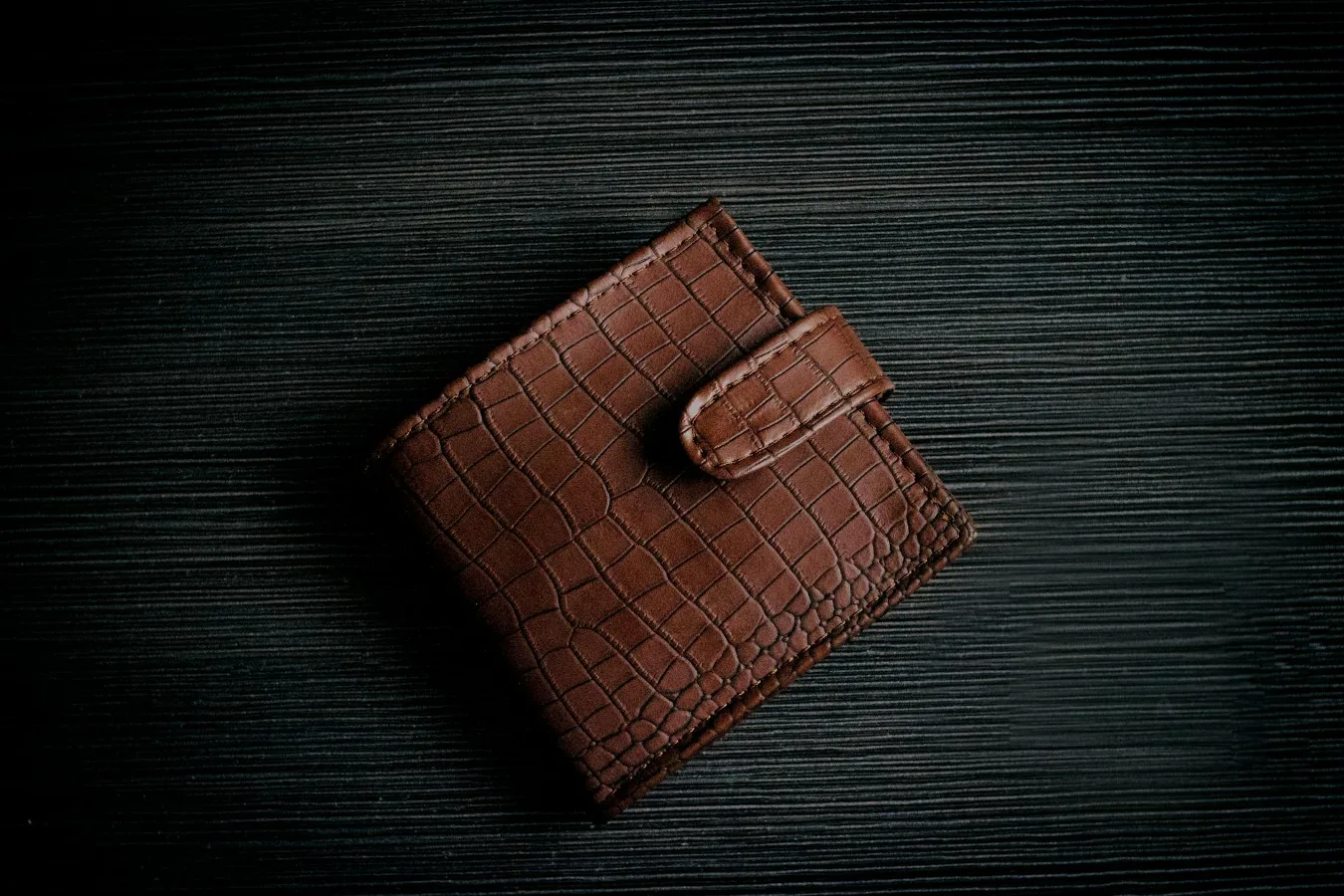
Leather chain wallets for men are a practical style choice if you want the look of a classic wallet with the added security of a chain attachment. They are especially appealing for people who want their wallet to stay connected to a belt loop, bag, or other anchor point while still fitting into a rugged, casual, or biker-inspired wardrobe.
The best option depends less on the chain itself and more on how the wallet is built: the leather quality, the way it carries in the pocket, the strength of the hardware, and whether the size suits your everyday routine. A good chain wallet should feel purposeful, not bulky or awkward.
What to look for first
If you are shopping for leather chain wallets for men, start with the fundamentals. The chain is only one part of the equation. The wallet still has to handle daily use comfortably, hold the right amount, and age well over time.
Leather quality and construction
Leather quality affects appearance, flexibility, and long-term wear. Genuine leather is a broad term, so it helps to pay attention to how the wallet is described and how the edges, stitching, and folds are finished. A wallet that looks good online can still disappoint if the leather is stiff, thin, or poorly stitched.
For chain wallets, construction matters even more than it does for a standard bifold. The wallet has to withstand repeated pulling, clipping, bending, and movement. Reinforced seams and secure attachment points can make a real difference in everyday durability. Bi-Fold Wallets for Men: How to Choose offers more detail on this point. best men’s wallets for everyday carry offers more detail on this point.
Chain type and hardware
The chain should feel secure without being uncomfortable. Some men prefer a slimmer chain for a cleaner look, while others want a heavier chain for a more pronounced style statement. Either way, the attachment hardware should be sturdy and easy to use. A weak clasp can undermine the entire design.
It also helps to think about finish. Hardware that clashes with your belt buckle, watch, or jacket hardware can look accidental. Matching tones are not mandatory, but coordinated metal finishes usually create a more intentional look.
Size and carry style
One common mistake is buying a chain wallet based on appearance alone and ignoring how it fits the way you dress. If you usually wear slim jeans or prefer front-pocket carry, a bulky wallet may feel uncomfortable quickly. If you carry several cards, receipts, or folded cash, a too-small design can become frustrating.
Look for a shape that fits your normal carry habits. A slim bifold style, a longer biker wallet, or a trifold each creates a different profile in the pocket and hangs differently once the chain is attached.
How different chain wallet styles compare
Not every leather chain wallet serves the same purpose. The right choice depends on whether you care more about style, security, storage, or comfort. The details below can help narrow the field.
| Style | Best for | Main trade-off |
|---|---|---|
| Slim chain wallet | Light carry and cleaner pocket profile | Less room for cards and cash |
| Long biker wallet | More storage and classic motorcycle styling | Can feel bulky in tighter pants |
| Bifold with chain | Balanced everyday use | May not suit those who want a minimal look |
| Trifold with chain | Higher capacity | Thicker when closed and carried |
Slim chain wallets work well if you carry the essentials and want the chain mainly for security or style. They are easier to wear daily, especially if you prefer a less noticeable wallet in your pocket.
Long biker wallets tend to have more visual presence. They often appeal to buyers who want a classic chain-wallet silhouette and enough room for cards, folded bills, and a few extras. The trade-off is size: what looks polished on a jacket or jeans can feel cumbersome in a tight pocket.
Bifold and trifold designs offer more familiar organization. They are often a better fit if you want the chain functionality without fully committing to a long wallet format. The downside is thickness, especially once pockets fill up.
Security is useful, but convenience still matters
The most obvious benefit of a chain wallet is security. Keeping the wallet attached can reduce the chance of dropping it or leaving it behind. That said, the chain is not a magic solution. It only works well if the length, clip, and attachment point suit your routine.
A chain that is too short can tug when you sit, stand, or reach into your pocket. One that is too long may swing around awkwardly. The best setup feels controlled and predictable. If you plan to clip it to a belt loop, consider how the wallet will move when you walk, sit in a car, or lean forward.
This is an overlooked consideration for many buyers: chain wallets are not only about theft deterrence. They are also about preventing accidental loss and keeping the wallet accessible in active settings. For some people, that matters more than the styling angle.
Styling considerations for men
Leather chain wallets can fit several style directions, but they are not equally at home in every wardrobe. They naturally work with denim, boots, leather jackets, workwear, and casual streetwear. In those contexts, the chain feels deliberate rather than decorative.
If your style leans more tailored or minimalist, a chain wallet may still work, but the execution matters. A cleaner leather finish, a slimmer chain, and subtle hardware are usually easier to integrate than a heavy, highly ornamented design.
The wallet should also match your typical carry method. A wallet that looks strong in a product photo may not pair well with a front-pocket carry habit or a slimmer silhouette. Style and practicality need to align, or the accessory starts feeling like a compromise instead of a useful part of your wardrobe.
Common mistakes to avoid
- Choosing style over function: A chain wallet that looks great but holds too little or feels bulky will quickly lose appeal.
- Ignoring the attachment point: The chain is only helpful if the clasp and anchor point work reliably together.
- Overstuffing the wallet: Leather and seams wear faster when a wallet is forced beyond its intended capacity.
- Buying the wrong chain length: Too short can pull; too long can get in the way.
- Overlooking pocket compatibility: A long wallet may not suit slim jeans or front-pocket carry.
- Assuming all leather is the same: Different leather finishes and constructions age differently and feel different in use.
Another common misconception is that a heavier chain automatically means better quality. Weight alone does not determine durability. The attachment points, clasp quality, stitching, and overall build matter far more than how substantial the chain feels in your hand.
Care and maintenance
Leather chain wallets need the same basic care as other leather goods, with a little extra attention for the hardware. Keep the wallet dry when possible, avoid trapping debris around the chain attachment, and store it flat or laid out so the leather does not deform unnecessarily.
If the wallet has a polished or treated finish, wipe it gently rather than scrubbing it. For the chain and metal parts, occasional cleaning helps prevent dull buildup from everyday wear. The goal is not perfection; it is preserving the wallet’s structure and appearance so it remains usable.
Do not neglect the inside of the wallet either. Receipts, coins, and loose cards can stretch pockets and create uneven pressure points. That kind of wear tends to show up sooner in chain wallets because they are often used more actively than a simple dress wallet.
When a chain wallet makes sense — and when it does not
A leather chain wallet makes sense if you want a secure, rugged accessory that still works in daily life. It is a strong fit for men who wear denim, workwear, boots, or biker-inspired outfits, and for anyone who wants a wallet that is harder to misplace. men’s accessory buying guide offers more detail on this point.
It may not be the best choice if you want a minimal, invisible carry setup or if you regularly wear fitted clothing that leaves little room in the pocket. In those cases, a slim bifold, card holder, or minimalist leather wallet may be more comfortable.
That trade-off is worth keeping in mind: chain wallets bring personality and security, but they also add visual weight and physical presence. The best version is the one that fits your habits, not just your aesthetic.
Alternatives worth considering
If you like the idea of a chain wallet but are not fully sold on the format, a few alternatives may fit better.
- Slim bifold wallets: Better for everyday discretion and easier pocket carry.
- Long bifold wallets: Offer a classic silhouette without the chain hardware.
- Card holders: Good for minimal carry, though they offer less room for cash and extras.
- Money clips with leather sleeves: A useful middle ground for men who carry fewer items.
These alternatives can be especially helpful if your main goal is organization rather than chain styling. Sometimes the best answer is not a chain wallet at all, but a wallet that solves the same practical problem in a simpler way.
Practical buying checklist
Before choosing a leather chain wallet for men, use a quick reality check:
- Decide how much you actually carry every day.
- Choose a wallet shape that matches your pocket style.
- Check how the chain attaches and where it will anchor.
- Look for stitching and edges that suggest solid construction.
- Pick hardware that fits your wardrobe and personal style.
- Think about maintenance and how often you will use it.
That checklist may sound simple, but it helps avoid the most common buying regrets. Many chain wallets look appealing as accessories first and wallets second. The better purchases do both jobs well.
Final take
Leather chain wallets for men work best when they balance durability, comfort, and style without trying to do too much. If you choose the right size, chain length, and leather construction, the result can be a wallet that feels secure, practical, and visually grounded in your wardrobe. If you pick purely for the look, you are more likely to end up with something bulky, awkward, or underbuilt.
For buyers who want a wallet with character and a bit more security than a standard carry piece, the format is still compelling. The key is matching the design to how you actually live, dress, and carry every day.