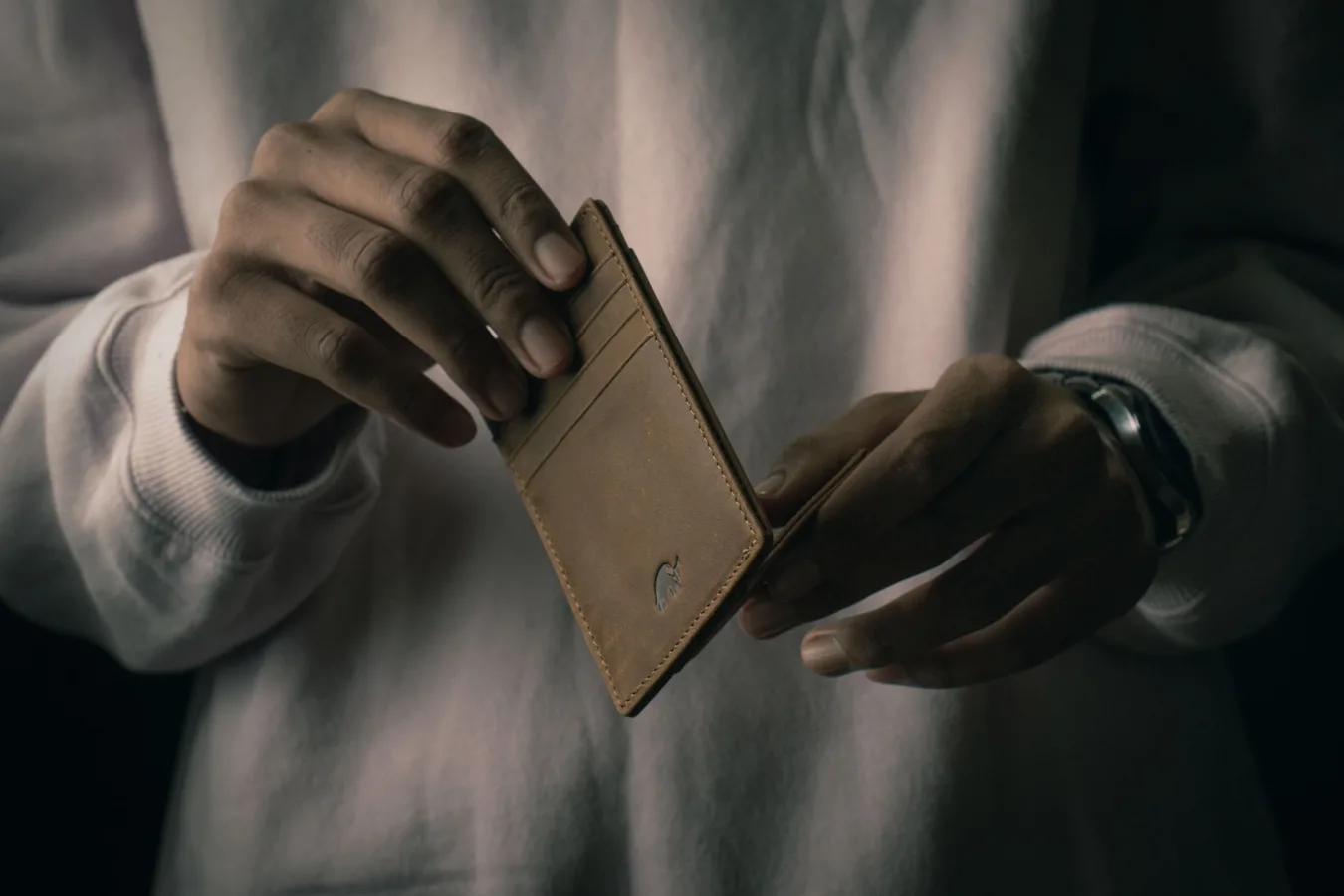
Front pocket leather wallets for men are best for anyone who wants a slimmer, more streamlined way to carry cash and cards. They work especially well if you want less bulk in your back pocket, faster access to your essentials, and a wallet that feels more natural with modern front-pocket carry habits. men’s accessories sizing guide offers more detail on this point. custom leather wallets for men offers more detail on this point. best leather accessories for everyday carry offers more detail on this point.
The right choice is usually not the thinnest wallet on the shelf. It is the one that fits your actual carry load, slides in and out without fighting your pocket, and still holds up to daily use. That balance is what separates a useful front pocket wallet from one that ends up abandoned in a drawer.
What makes a front pocket leather wallet worth buying
A front pocket wallet should solve a simple problem: too much bulk in the wrong place. For many men, that means replacing a bulky bifold with something slimmer, or switching to a compact leather wallet that carries only the cards and folded bills they use most often.
The most useful front pocket leather wallets usually share a few traits:
- Compact dimensions that fit comfortably in a front pants pocket or jacket pocket
- Simple organization so cards are easy to reach without a long search
- Flexible leather that softens with use without feeling flimsy
- Secure retention that keeps cards from sliding out too easily
- Low-profile shape that does not print heavily through clothing
The key question is not whether a wallet is “small enough.” It is whether it is small enough for your pocket shape, your clothing, and the number of items you actually carry every day.
Quick answer: who front pocket leather wallets suit best
Front pocket leather wallets are a strong fit for men who carry a small to moderate number of cards and want less pocket bulk. They are especially practical for people who:
- prefer a lighter everyday carry setup
- wear slimmer pants or tailored clothing
- want easier access while seated
- dislike a heavy wallet in the back pocket
- carry mostly cards with only occasional cash
They are less ideal for anyone who routinely carries many cards, a large amount of cash, receipts, business cards, or coins. In those cases, a front pocket wallet can still work, but only if you are willing to edit what you carry.
Compare the main front pocket wallet styles
Not all front pocket leather wallets solve the same problem. The style you choose should match your carry habits more than the product photo does.
| Style | Best for | Trade-off |
|---|---|---|
| Card holder | Very minimal carry, quick access, slim pockets | Limited space for cash and extra cards |
| Front pocket bifold | Men who still want some cash and card separation | Can become thick if overfilled |
| Money clip wallet | Light cash carry with a few cards | Less organized than a bifold |
| RFID leather wallet | Shoppers who want added card protection in a compact format | RFID blocking is not a substitute for good card security habits |
| Minimalist zip wallet | People who want containment for coins, receipts, or small items | Zippers add bulk and can feel less pocket-friendly |
A common misconception is that front pocket wallets must be rigid and card-only to be worth considering. In reality, a well-designed front pocket bifold can be more practical if you still carry folded bills and want a familiar layout.
Leather type matters more than many buyers expect
Leather affects how the wallet feels, wears, and breaks in. It also affects how the wallet behaves in a front pocket, where extra stiffness can be more noticeable than in a back pocket wallet.
Full-grain leather
Full-grain leather is often associated with stronger long-term wear and a more natural aging process. It can feel firmer at first, which may matter if you want a wallet that starts out flexible in a tight front pocket.
Top-grain leather
Top-grain leather is often smoother and more uniform in appearance. It may feel a little less rugged than full-grain options, but that can be a plus if you want a cleaner look and a softer hand feel from the start.
Corrected or heavily finished leather
These options can look polished and resist visible wear at first, but they may not develop the same character over time. If you prefer a wallet that will age naturally, this is worth weighing carefully.
The practical point is simple: a front pocket wallet should not feel like a small brick. Leather that is too stiff, thick, or overbuilt can defeat the point of carrying it up front.
Size and pocket fit are the real make-or-break factors
Front pocket leather wallets are easy to buy badly because “slim” is a relative term. A wallet that feels narrow in your hand may still be awkward in jeans, chinos, or business slacks.
Before choosing one, think through these fit questions:
- Will it sit flat when you walk or sit down?
- Will it fit the pocket opening without scraping or catching?
- Will it create noticeable bulk if you also carry keys, a phone, or a knife on the same side?
- Will it stay comfortable if you carry it for long periods?
One overlooked consideration is pocket shape. A wallet that feels fine in relaxed denim may feel awkward in slimmer trousers. If you wear different styles of pants throughout the week, it helps to choose a wallet that is compact enough for the most restrictive pair you own.
Organization should match your actual daily carry
Many buyers overestimate how much organization they need. That can lead to wallets with extra slots, hidden pockets, and layered compartments that add bulk without much benefit.
A simpler layout is often better if your routine is straightforward. For example, if you carry a driver’s license, two to four cards, and a few folded bills, a compact wallet with a clean card layout may be more useful than a larger bifold with slots you will never use.
On the other hand, if you regularly separate work cards, transit cards, insurance cards, or receipts, then a little more structure can help. The goal is not maximum minimalism. It is controlled, intentional organization.
Comfort and carry position deserve more attention
Comfort is one of the biggest reasons men switch to front pocket wallets. A back pocket wallet can create pressure, sit unevenly, or feel awkward during long drives and desk work. Front pocket carry can reduce those issues, but only if the wallet itself is shaped well.
Look for a profile that does not dig into your thigh when seated. Softening leather and rounded edges usually feel better than sharp, overly structured designs. If a wallet is meant for front pocket use but feels rigid and blocky, it may look better in a product photo than it feels in real life.
Also consider which front pocket you will actually use. Some men naturally prefer the dominant side; others choose the opposite side to balance keys, phone, or other carry items. There is no universal rule, but consistency helps.
Durability and long-term value
Durability in a front pocket leather wallet is not only about how long the leather lasts. It also depends on stitching, edge finishing, pocket tension, and how well the wallet resists loosening over time.
A wallet that stretches too quickly may become sloppy and harder to carry securely. A wallet that has weak stitching may fail at stress points near card slots or fold lines. If the wallet includes metal hardware, that hardware should not add unnecessary weight or scratch nearby items.
Long-term value usually comes from a combination of sensible design and reasonable restraint. The more a wallet tries to do, the more likely it is to become bulky or complicated. For front pocket carry, restraint is often a feature, not a limitation.
Security features: useful, but easy to overvalue
Some front pocket leather wallets include RFID-blocking materials. That can be a helpful feature for certain users, especially if it is built into a wallet you already like for its size and layout.
Still, RFID protection should not be the only reason to buy a wallet. It does not replace basic attention to where you store your cards, and it should not outweigh comfort, size, or access. A well-fitting front pocket wallet without RFID blocking may still be the better choice if it is more practical for your routine.
Common mistakes to avoid
A good-looking wallet can still be a poor everyday choice. These are the mistakes that most often lead to disappointment:
- Buying for appearance alone and ignoring pocket fit
- Overstuffing the wallet until it loses its slim profile
- Choosing too many slots and adding bulk you do not need
- Ignoring leather stiffness and assuming it will feel comfortable immediately
- Picking a wallet that is too small for the few items you actually carry
- Expecting RFID blocking to compensate for poor organization
The most common failure is overloading. Front pocket wallets work because they force discipline. If you treat them like a standard bifold, they quickly stop feeling special and start feeling cramped.
Alternatives worth considering
If front pocket leather wallets for men sound appealing but not quite perfect, a few alternatives may fit better.
- Leather card case if you carry only a small set of cards
- Money clip wallet if cash matters more than slot-based organization
- Slim bifold if you still want a familiar fold-and-carry format
- Minimalist zip wallet if you need to contain coins or small loose items
- Hybrid front pocket wallet if you want a balance of structure and slimness
Choosing the simplest option that meets your needs is often the smartest move. A larger wallet is not more versatile if it creates friction every time you reach for it.
How to choose the right one for your routine
If you want a practical selection method, start with your carry habits rather than the product category.
- Count what you carry daily. Separate essentials from occasional items.
- Decide whether cash matters. If you rarely use bills, a card-focused wallet may be enough.
- Check your pocket situation. Slim jeans, tailored trousers, and relaxed pants all change the fit.
- Choose the least complicated layout that still keeps things accessible.
- Pay attention to leather feel so the wallet does not fight your daily movement.
This approach helps prevent the most common buying error: choosing a wallet based on capacity rather than real-world comfort.
Maintenance basics for leather front pocket wallets
Leather wallets do not need complicated care, but they do benefit from basic attention. Keeping the wallet free of unnecessary clutter is the first step. Overstuffing stretches the leather and can distort the shape permanently.
Store it away from prolonged moisture, and avoid letting it soak through in a pocket after rain or heavy sweat. If the wallet gets dirty, follow the care guidance appropriate to the leather finish. Different leathers respond differently, so aggressive cleaning is not a safe default.
Over time, a front pocket wallet should soften, not collapse. If it starts losing shape quickly, the issue may be the design or the load you are asking it to carry.
Who should choose a front pocket leather wallet
These wallets make the most sense for men who want a slimmer, easier carry solution and who are willing to edit what they bring with them. They are a strong everyday option for commuters, office workers, travelers, and anyone tired of the bulk of a back pocket wallet.
They are less suitable for people who need broad storage, multiple receipts, coins, or a large amount of cards on hand at all times. In that case, a more traditional wallet may be the better fit.
If your goal is simpler carry, front pocket leather wallets are a practical place to start. The best version will feel almost invisible until you need it, which is exactly what a good everyday wallet should do.