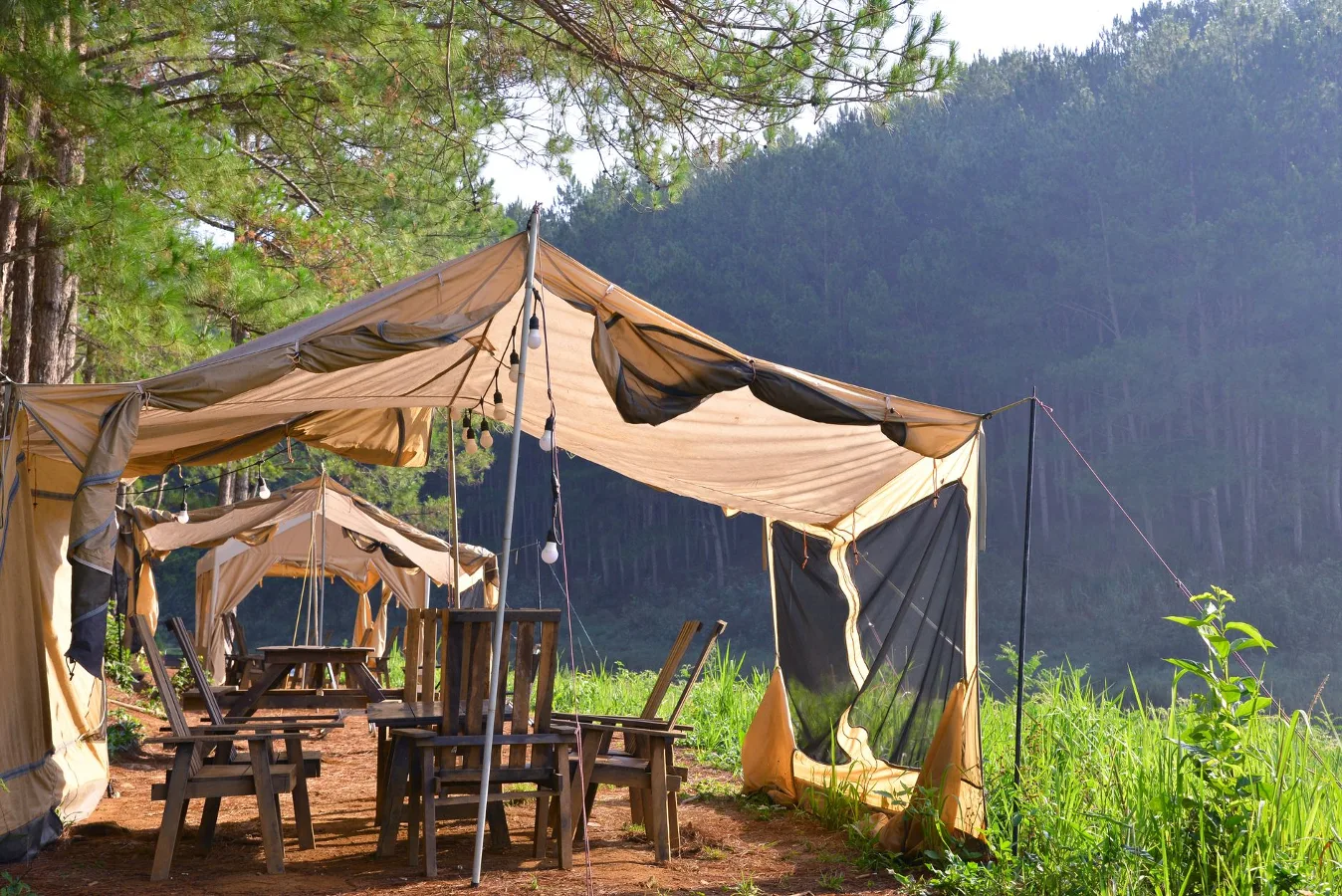
Quick answer: what a camping tent screen is for
A camping tent screen is a mesh or screened enclosure used to keep insects out while still letting air move through your campsite setup. Depending on the design, it may attach to a tent, form part of a screen room, or act as a freestanding shelter for dining, relaxing, or storing gear. snow camping tent offers more detail on this point.
If you are comparing options for a camping trip in the United States, the main question is not just whether the screen blocks bugs. It is whether the setup fits your tent, your campsite conditions, and the way you actually camp. Some screen solutions are best for warm-weather car camping and meal prep, while others are meant to add airflow and a bit of privacy to an existing tent. A few are more like separate outdoor shelters than tent add-ons. Best Camping Tent Lights: How to Choose offers more detail on this point.
The right camping tent screen should balance bug protection, ventilation, setup ease, and weather suitability. If those factors are not matched to your trip, a screen can be more annoying than helpful.
How camping tent screens compare
Not all screen-style camping products do the same job. Before buying, it helps to understand the main types and what each one is good at.
| Type | Best for | Main strengths | Typical limitations |
|---|---|---|---|
| Screen attachment for a tent | Adding bug protection to an existing tent setup | Can improve airflow and keep insects out | Must match tent design; may reduce access or weather sealing |
| Screen room or screened shelter | Car camping, lounging, eating, social space | More spacious, versatile, comfortable for longer stays | Usually bulkier and less portable than compact gear |
| Mesh canopy or screen shelter | Shade plus insect barrier over a campsite area | Good ventilation, open feel, useful in warm weather | Less protection from wind and rain than a fully enclosed shelter |
| Privacy screen with mesh panels | Blocked sightlines with some airflow | Useful for crowded campgrounds and family camping | May not give full bug protection unless fully screened |
The biggest misconception is that a screen product automatically solves every campsite problem. A mesh-heavy shelter is excellent for airflow and insect control, but it is usually a poor substitute for solid fabric when wind, cold, or heavy rain are part of the forecast. If you camp across seasons, that trade-off matters.
What to look for before you buy
Fit and compatibility
Compatibility is the first filter. A screen that does not fit your tent or campsite layout is frustrating no matter how good the materials are. Check whether the product is designed to attach to a specific tent model, a general tent shape, or stand alone as a separate shelter.
If you are buying a screen room rather than a tent add-on, think about footprint and headroom. A family may need enough standing space for meal prep or rainy-day hanging out, while a solo camper may care more about compact storage and fast setup.
Airflow versus coverage
Mesh density and panel design affect how well the screen balances airflow and protection. A tighter mesh can help with smaller insects, but it may also reduce breeze. Larger mesh openings can feel more open and comfortable in warm weather, yet they may leave more room for tiny bugs in heavily wooded or marshy campsites.
One overlooked point: a screen that looks roomy in a product photo may feel much less airy once gear, chairs, and a table are inside it. If you plan to use the space for cooking or eating, the usable room matters more than the stated dimensions alone.
Weather suitability
Screening is mainly about comfort in fair to mild conditions. If you camp where afternoon storms are common, look carefully at how much solid fabric, rain protection, and wind resistance the shelter offers. Mesh alone will not keep you dry. Even a screened room can become uncomfortable if the roof design does not shed water well or if the structure feels too open to gusts.
For shoulder-season or variable-weather trips, some campers prefer a tent with integrated ventilation and protected windows rather than a separate screen-heavy structure. That choice usually gives up some openness in exchange for more weather control.
Setup and takedown
Ease of use matters more than many shoppers expect. A screen tent or attachable screen can be appealing on paper, but if it takes too long to pitch, tension correctly, or pack away cleanly, it may stay home on shorter trips. Look for sensible pole design, simple attachment points, and a setup process you can picture repeating after a long drive or late arrival.
Frequent campers should also think about how easy the screen is to clean and dry before storage. Mesh that traps pollen, sand, or pine debris can be inconvenient if it is difficult to rinse out.
Durability and stress points
For a camping tent screen, the most vulnerable areas are usually seams, zipper tracks, corner anchors, and any points where poles or clips create tension. Reinforced edges and sensible construction often matter more than flashy extras. If the screen will live through repeated packing, setup, and campground use, those stress points deserve attention.
It also helps to consider how the shelter will handle kids, pets, and traffic in and out of the space. A product that works well for quiet solo use may not hold up as well in a busy family campsite.
Privacy and visibility
Screened shelters are not the same as privacy shelters, but some models do a better job than others at blocking sightlines while keeping air moving. If your campsite is close to neighboring sites, a partial visual barrier can make the space feel more comfortable without closing it off completely.
This is especially useful in public campgrounds where you want a relaxed place to change clothes, keep food out of the open, or enjoy a quiet evening without feeling exposed.
Choosing the right setup for your trip
The best camping tent screen depends on the kind of camping you do most often. A warm-weather car camper may want a larger screened room for meals and evening time outside the tent. A backpacker, by contrast, usually needs to keep weight and bulk low, which makes a screen room less practical. For that style of travel, tent ventilation, mesh inner tents, or lightweight bug protection tend to make more sense.
If your goal is to make a standard tent more comfortable, start by asking what problem you are trying to solve. If it is mosquitoes and flies, focus on insect barrier quality and door closures. If it is heat, prioritize airflow and shade. If it is campsite privacy, look for a screen that also limits visibility. Trying to get all three from one product often leads to compromise.
Another practical nuance: campground rules and setup space can affect what works well. Some campsites are narrow, wooded, or uneven, which can make large screened shelters difficult to place. Others have enough room that a freestanding screen tent becomes a useful shared space for cooking or relaxing. Matching the shelter to the site is part of making the right purchase.
Common mistakes shoppers make
- Buying for looks instead of use case. A roomy shelter picture may hide the reality of a bulky package or a setup that is awkward in tight campsites.
- Ignoring weather exposure. A mesh-heavy screen is not a substitute for reliable rain or wind protection.
- Assuming universal compatibility. Some screen attachments only work with specific tent shapes, pole systems, or brands.
- Overlooking storage and transport. A product may fit your campsite needs but be too large for your vehicle or gear closet.
- Choosing too little coverage. If bugs are intense, partial screening may be disappointing even if the shelter feels open and airy.
- Forgetting the inside layout. A screen room that fits on paper may feel cramped once chairs, coolers, or a table are added.
When a camping tent screen is worth it
A camping tent screen makes the most sense if you spend time in warm weather, deal with insects regularly, or want a more comfortable shared space outside the sleeping tent. It is especially useful for family camping, weekend campground stays, and base-camp style trips where comfort matters more than minimal packing volume.
It may be less worthwhile if you backpack, camp in unpredictable weather, or need a shelter that serves as your primary rain barrier. In those cases, a well-ventilated tent, tarp system, or compact bug net solution may be a better trade-off.
If you are debating between a screen room and a standard tent upgrade, think about where the value really is. Sometimes a better-ventilated tent with easier access solves the problem more cleanly than adding a separate screen structure. Other times, a dedicated screen space is what turns a campsite from functional to comfortable.
Practical alternatives to consider
Depending on your needs, you may not need a standalone camping tent screen at all.
- Mesh inner tents: Better for integrated bug control and airflow inside the sleeping area.
- Tent vestibules: Useful for gear storage and a bit of protected entry space.
- Tarps with bug management: A flexible option for shade and weather coverage, though they need more careful setup.
- Pop-up screen shelters: Good for quick car-camping use when portability is less of a concern than convenience.
- Bug nets and personal mesh shelters: Better for minimalists who only need protection while sitting or sleeping.
These alternatives matter because they solve adjacent problems in different ways. A screen room is not automatically the best answer just because it includes mesh. The right choice depends on whether you need sleeping protection, communal space, shade, privacy, or all four.
Mistakes to avoid when comparing products
Shoppers often compare camping tent screens by price or size alone, but that misses the details that affect daily use. Look at zipper placement, access points, ventilation balance, and how the shelter anchors to the ground. Consider whether the screen opens where you naturally enter and exit, whether the shape works with your chairs or table, and whether the setup looks manageable on your own. how to improve tent ventilation offers more detail on this point.
Also pay attention to how the shelter is described. A product labeled as a screen tent, screen room, mesh shelter, or canopy may serve a different purpose than a tent accessory. Reading the use case carefully helps avoid buying something that looks right but behaves differently at the campsite.
FAQ
Do I need a camping tent screen for most trips?
Not always. It is most useful for warm-weather camping, areas with heavy insects, or trips where you want a more comfortable outdoor living space.
Is a screen tent the same as a regular tent?
No. A screen tent or screen room focuses on airflow and insect protection, while a regular tent is built primarily for sleeping and weather shelter.
Can a camping tent screen keep out mosquitoes completely?
It can help a lot, but no mesh solution is perfect in every setting. Fit, zipper quality, and mesh coverage all affect how well it performs.
What is the best alternative if I only need bug protection at night?
A tent with good mesh panels or a bug net designed for sleeping is often more practical than a full screen room.
Should I choose a screen shelter or a tarp?
Choose a screen shelter if bug control is the priority. Choose a tarp if you need more flexible shade or rain coverage and are comfortable managing open sides.
For shoppers comparing camping tent screens, the smartest approach is to start with the problem you want solved, then narrow the options by fit, weather suitability, and how much space you really need. That keeps the purchase useful long after the campground novelty wears off.